April 2, 2026
The fast-paced environment of a commercial kitchen requires efficient systems to keep operations running smoothly. Restaurant owners and kitchen managers constantly look for ways to improve workflow and maintain cleanliness. Managing the large volume of ingredients and ensuring that every dish meets quality standards leaves little room for operational hiccups. Traditional methods of handling kitchen runoff can be labor-intensive, messy, and prone to issues if not meticulously monitored. As technology advances, more practical solutions emerge to handle these demanding tasks with minimal human intervention. As the industry evolves, staying ahead of the curve is more important than ever. By upgrading their equipment, restaurants can focus more on preparing excellent meals and less on messy background work. This is why a growing number of establishments are realizing the benefits of modernizing their waste systems. Specifically, the adoption of automated grease tanks is transforming how commercial kitchens handle their daily disposal needs. These advanced systems offer a reliable, hands-off approach, ensuring that kitchens remain clean, compliant, and highly productive throughout the busiest shifts. Ultimately, investing in modern infrastructure is an investment in the overall success of the culinary enterprise.
Enhancing Daily Kitchen Efficiency
Every minute counts during a busy meal service, and any interruption can cause delays. Kitchen staff already have a full plate with food preparation, cooking, and maintaining immediate cleanliness. When a plumbing issue arises, it can grind operations to a halt, frustrating both employees and patrons. Traditional waste management setups often require staff to manually check levels and perform unpleasant skimming tasks. This diverts their attention away from primary culinary duties and slows down the pace of the kitchen. By installing automated grease tanks, restaurants eliminate these manual interruptions entirely. The system works quietly in the background, separating and isolating fats and oils from the wastewater without requiring constant monitoring. This seamless integration allows cooks and dishwashers to maintain their rhythm, knowing that the waste is managed effectively. Furthermore, eliminating these manual tasks significantly boosts employee morale and retention. Consequently, the establishment operates more smoothly, customer orders are fulfilled promptly, and stress levels among back-of-house staff are noticeably reduced. A kitchen that runs without plumbing anxieties can consistently deliver a high-quality dining experience.
Promoting Sustainable Environmental Practices
Modern consumers increasingly prefer to dine at establishments that prioritize eco-friendly operations. Restaurants are under pressure to reduce their environmental footprint, and waste management is a critical area for improvement. Improperly managed fats and oils can wreak havoc on municipal sewer systems, leading to blockages and sanitary overflows that harm local ecosystems. Traditional traps sometimes fail to catch all the runoff, allowing harmful substances to slip into the public water supply. Automated systems provide a thorough separation process, ensuring that the majority of organic waste is trapped before it leaves the building. The fats and oils collected by automated grease tanks are also much cleaner than those scooped out of conventional traps. Because the waste is better preserved and isolated, it becomes an excellent candidate for recycling initiatives, such as conversion into biofuel. By making this technological upgrade, restaurants protect local waterways from contamination and contribute to renewable energy efforts, significantly boosting their overall environmental sustainability profile.
Simplifying Routine Maintenance Requirements
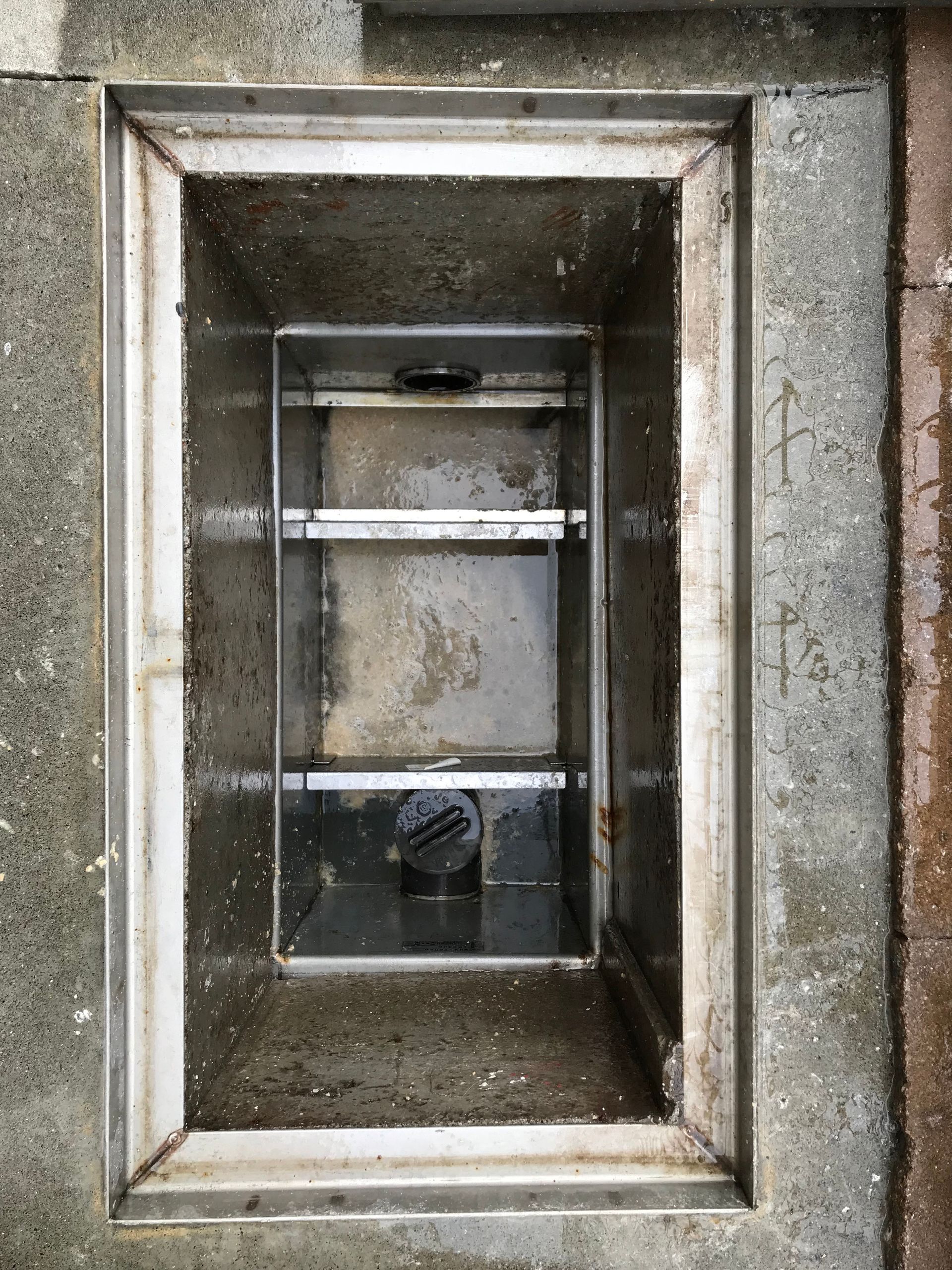
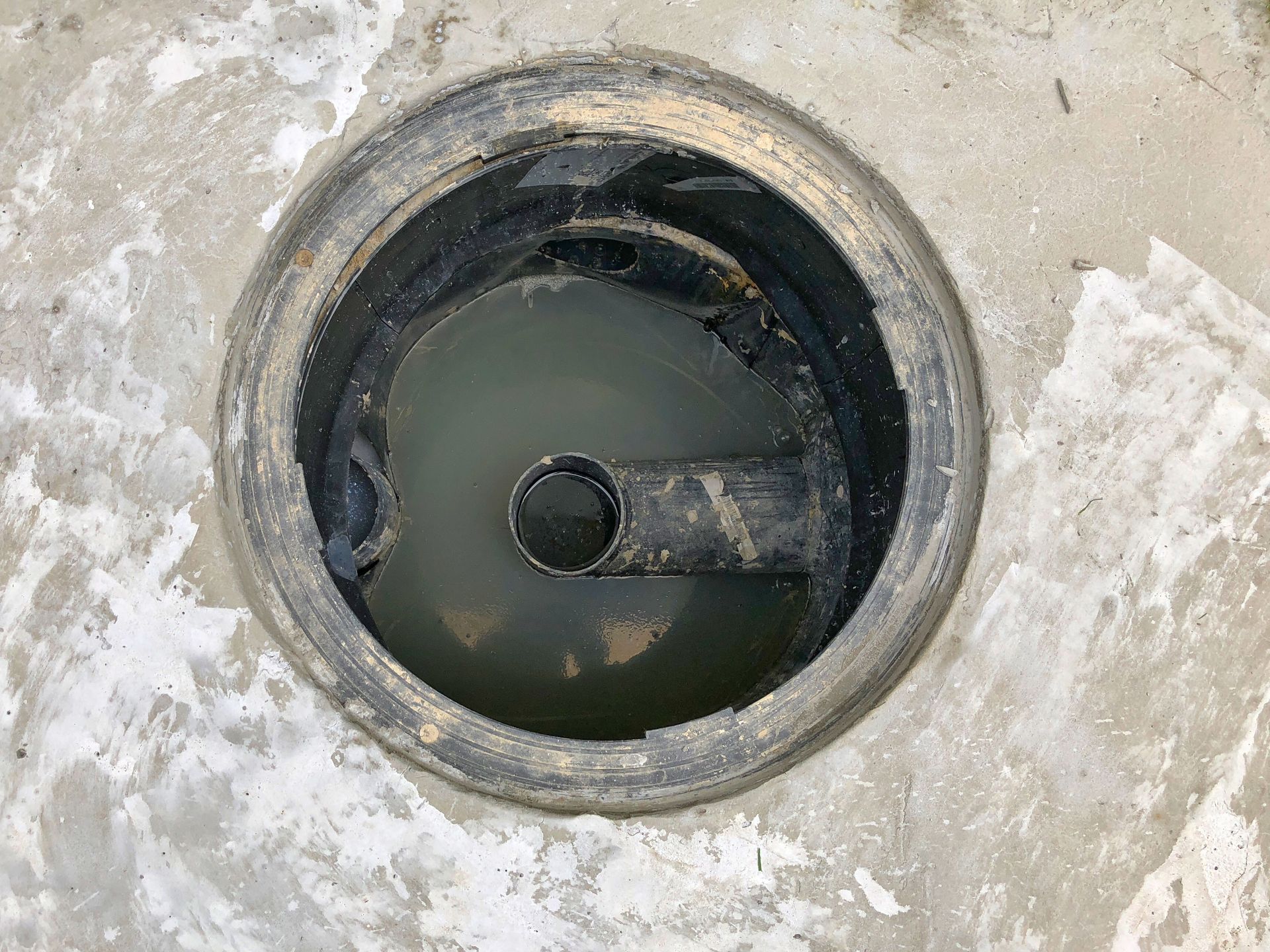
Maintaining a commercial kitchen requires strict adherence to cleaning schedules, and plumbing infrastructure is no exception. Traditional traps are notorious for their demanding and unpleasant upkeep requirements. Employees or contracted professionals must frequently open the heavy lids, manually remove the accumulated sludge, and scrub the interior components. This process is time-consuming, unsanitary, and a major source of dread. It can also disrupt the flow of the kitchen if it needs to be done during operating hours. According to the National Institutes of Health, grease screens should be cleaned every 1-2 months, or at least every 3-6 months, depending on usage. Sticking to such a rigid schedule can be difficult for busy restaurant managers juggling countless responsibilities. However, the introduction of automated grease tanks drastically changes this dynamic. These systems actively remove the waste on a programmed cycle, meaning the main holding area remains cleaner over time. While periodic professional servicing is still necessary, the frequency and intensity of the cleaning are vastly reduced, easing the operational burden.
Mitigating Unpleasant Odor Issues
The atmosphere of a restaurant is crucial to its success, and any foul smells can instantly ruin a guest's appetite. Traditional traps, as they collect organic waste over time, become a breeding ground for bacteria that release pungent odors. These smells can easily seep out of the kitchen and into the dining area, creating an unappealing environment for patrons and a miserable workspace for employees. The manual cleaning process itself often releases a concentrated wave of these odors, requiring it to be scheduled strictly during off-hours. This pervasive smell is a constant battle for many older establishments that rely on outdated plumbing setups. Because automated grease tanks actively isolate the waste and often seal it within external or secured containers, the organic matter does not stagnate and putrefy within the kitchen environment. The continuous removal process ensures that rancid smells are kept to a minimum. By maintaining a fresher-smelling kitchen, restaurants protect their front-of-house ambiance and ensure culinary aromas greet their customers.
Improving Overall Financial Performance
While the initial investment in modernizing a kitchen might seem daunting, the long-term financial benefits are undeniable. Traditional traps often come with hidden costs that eat away at a restaurant's profit margins. Frequent emergency plumbing calls to clear blockages, fines from municipal authorities for wastewater violations, and the high labor costs associated with manual cleaning add up quickly. Furthermore, a severe backup can force a restaurant to close its doors for a day, resulting in a massive loss of revenue and potential damage to its reputation. Investing in automated grease tanks acts as an insurance policy against these unpredictable expenses. By ensuring consistent compliance with local wastewater regulations, restaurants avoid hefty municipal fines that can devastate a monthly budget. The drastic reduction in plumbing emergencies saves significant money on urgent repair bills. Additionally, because the collected oil is of higher quality, some recycling companies offer rebates for the extracted material. Ultimately, the reliable performance of these modern systems provides excellent long-term value.
Running a successful restaurant requires minimizing disruptions, maintaining high sanitation standards, and keeping operational costs under control. Upgrading outdated kitchen infrastructure is a proactive step toward achieving these goals and setting the establishment up for long-term stability. By eliminating the messy chores associated with traditional waste management, staff can focus entirely on delivering exceptional food and service. Embracing these modern upgrades demonstrates a clear commitment to excellence, showing both your staff and your customers that you value a safe, efficient, and forward-thinking environment. As the food service industry continues to grow more competitive, having the best possible equipment behind the scenes will give your establishment a distinct advantage. The environmental benefits, improved hygiene, and long-term financial savings make this technological shift an obvious choice for forward-thinking food service professionals. If you are ready to modernize your kitchen and experience these benefits firsthand, implementing automated grease tanks is the perfect solution. The transition is straightforward, and the positive impact on your daily workflow will be immediate, providing peace of mind to operators. Let the experts help you find the right system tailored to your specific culinary layout. Call Brooks Grease Service today to learn more about our comprehensive installation and maintenance programs, and take the initial step toward building a cleaner kitchen.