November 4, 2026
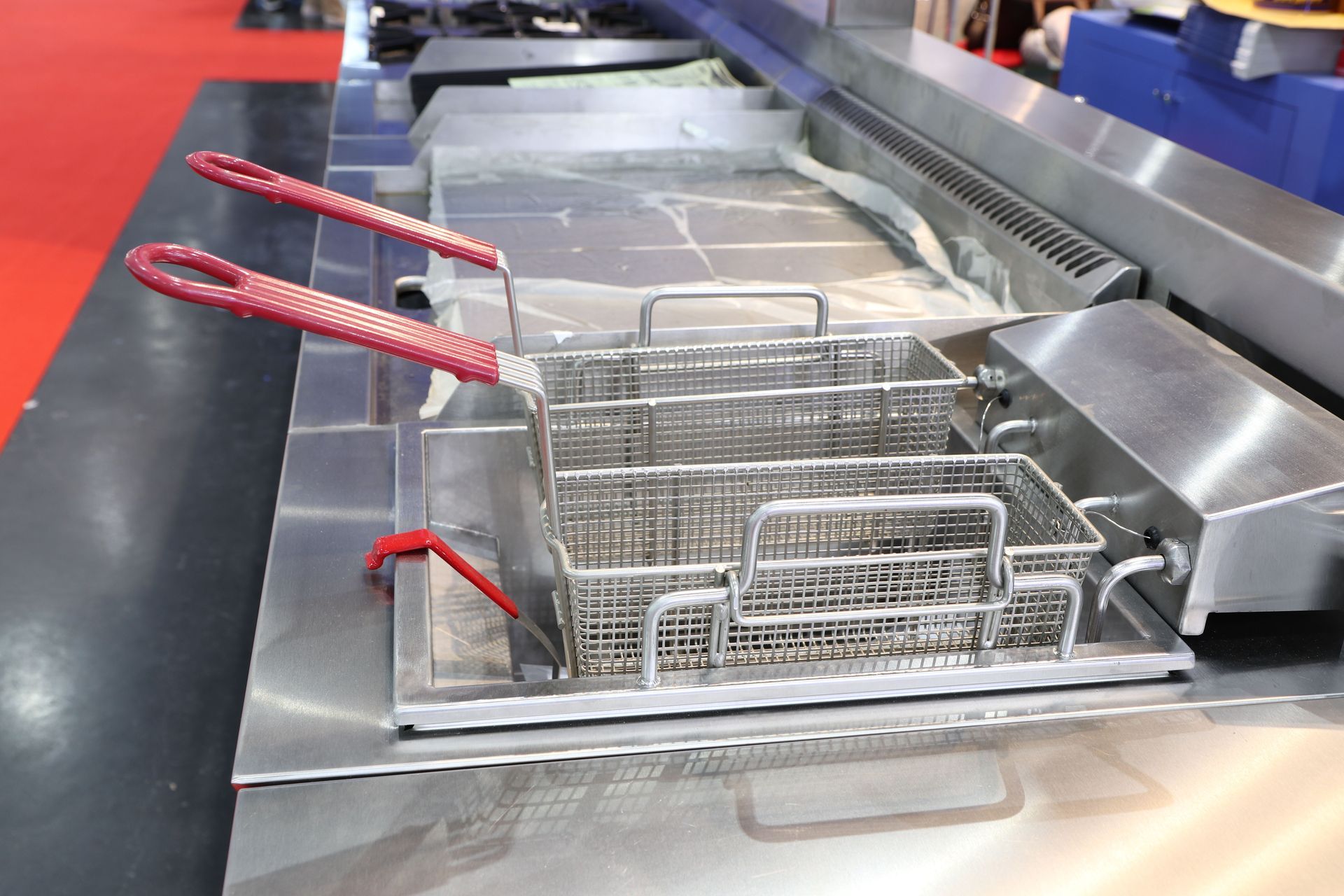
Commercial kitchens operate at an intense pace where staff members continuously balance food preparation, guest orders, equipment sanitation, and strict hygiene protocols. Amid the daily rush of sizzling fryers and bustling prep lines, managing discarded culinary grease often becomes a challenging operational hurdle. When fryers reach the end of their operational cycles, staff members must handle large volumes of spent oil safely. Leaving grease management to haphazard methods introduces unnecessary chaos into food service environments. Establishing a dedicated approach toward cooking oil recycling allows foodservice operators to transform a messy byproduct into an organized, sustainable operational asset.
Every restaurant, commercial cafeteria, and food production facility generates substantial amounts of spent grease during daily operations. Without a structured management strategy, back-of-house areas quickly suffer from slippery floors, foul odors, cluttered storage areas, and overworked staff members struggling with heavy disposal containers. Implementing organized collection methods eliminates these friction points while promoting environmental stewardship throughout your enterprise. By examining how systematic grease management impacts daily workflows, kitchen managers can implement routines that simplify cleanup and safeguard local infrastructure.
Prevent Severe Plumbing Clogs and Drain Backups
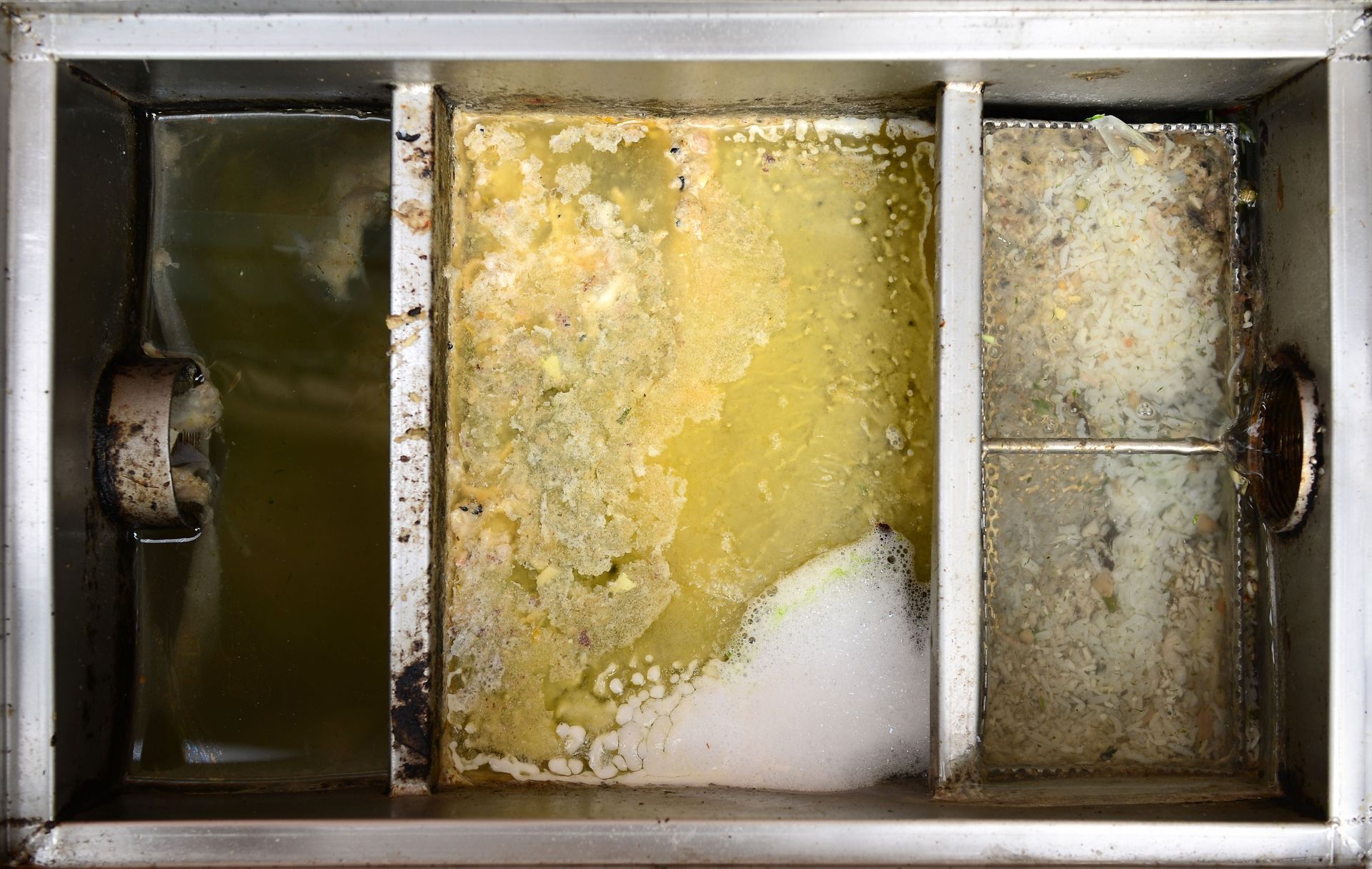
Pouring discarded culinary grease into internal drains or washing it down utility sinks represents a particularly destructive habit in commercial kitchen management. Warm oil might appear fluid during routine cleanup, but it cools rapidly once inside internal plumbing pipes, solidifying along interior pipe walls. Over time, this sticky residue captures food particles, coffee grounds, and stray debris, creating rock-hard obstructions that choke off wastewater movement. These severe blockages cause wastewater backups into active dishwashing areas, producing foul odors, unsanitary standing water, and immediate operational interruptions.
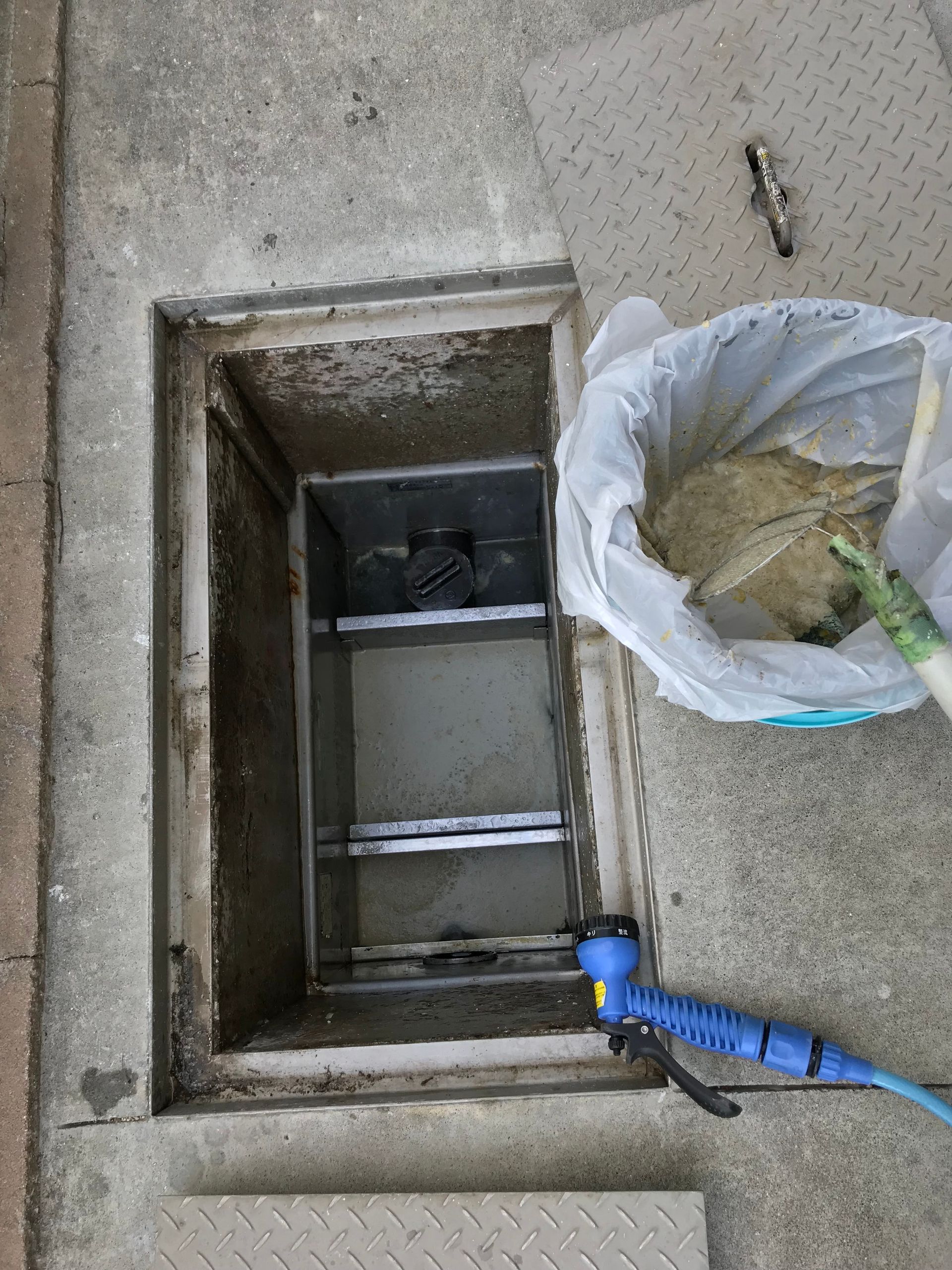
Adopting consistent cooking oil recycling eliminates the temptation for kitchen staff to wash spent grease down sinks or floor drains. When personnel understand that dedicated storage containers are readily available, oil remains completely separated from internal plumbing systems. Keeping grease out of wastewater streams preserves drain line capacity, prevents unsanitary kitchen backups, and protects grease interceptors from premature overload. Instead of wrestling with slow-draining wash stations and unexpected plumbing emergencies, kitchen teams maintain clear drainage lines that keep meal services running smoothly.
Routine oil diversion also protects external municipal sewer lines that connect directly to commercial kitchens. When uncollected grease enters municipal wastewater streams, it binds with non-biodegradable items and dissolved minerals to create subterranean obstructions known as fatbergs. These dense blockages cause municipal sanitary sewer overflows, pushing untreated wastewater into nearby waterways and urban streets. Participating in structured collection ensures that your kitchen actively protects neighborhood infrastructure from structural overflows.
Streamline Daily Back-of-House Kitchen Operations
Efficiency within commercial food prep environments depends heavily on organized workstations, standardized routines, and minimal back-of-house clutter. When kitchen teams lack a clearly defined procedure for discarding fryer grease, used oil often ends up sitting in random buckets or unstable containers scattered across dish pits. These makeshift storage methods create physical obstacles, invite pest infestations, and leave closing crews with cumbersome chores that slow down shift transitions.
According to Teixeira et al., commercial kitchens generate approximately 320 kg of waste cooking oil for each ton of oil consumed during meal preparation, with regional recovery rates fluctuating between 23% and 75%. Managing this significant volume requires standardized infrastructure that fits seamlessly into everyday kitchen activities. Implementing structured cooking oil recycling introduces purpose-built, secure exterior storage containers designed specifically to receive high-temperature culinary liquids without spills or structural degradation.
With an organized collection protocol in place, line cooks and kitchen assistants follow straightforward steps when filtering or emptying fryers. Specially designed transfer caddies and secure collection vessels eliminate messy guesswork, enabling employees to transport hot grease outside safely and rapidly. Standardized workflows shave valuable time off closing checklists, allowing staff members to wrap up shifts cleanly.
Improve Commercial Kitchen Cleanliness and Employee Safety
Employee safety remains a fundamental responsibility for every restaurant manager and hospitality operator. Discarded culinary oil poses substantial safety hazards when handled carelessly, representing a leading source of workplace slips, falls, and severe burn injuries. Carrying sloshing pots of hot grease across wet kitchen floors to poorly situated outdoor dumpsters places kitchen staff in constant physical jeopardy. An accidental stumble can result in debilitating burn injuries and extended medical absences that disrupt kitchen staffing schedules.
A comprehensive strategy for cooking oil recycling prioritizes safety through ergonomic handling equipment, secure outdoor containment, and clear staff procedures. Modern grease storage systems feature tight-sealing lids, sturdy handles, and low-profile access points that eliminate the need for awkward lifting or tipping heavy buckets. By replacing haphazard bucket brigades with secure disposal hardware, kitchen managers effectively eliminate grease drips and slick walking surfaces throughout high-traffic hallways and loading docks.
Maintaining clean outdoor containment areas also prevents unwanted visits from neighborhood wildlife and urban pests. Unsealed barrels of decomposing grease attract rodents, insects, and scavengers, creating unsanitary perimeter conditions that threaten health inspection performance. Sealed storage tanks keep odors contained and access blocked, ensuring your exterior premises remain tidy and compliant with health district hygiene standards.
Protect Municipal Sewers and Surrounding Waterways
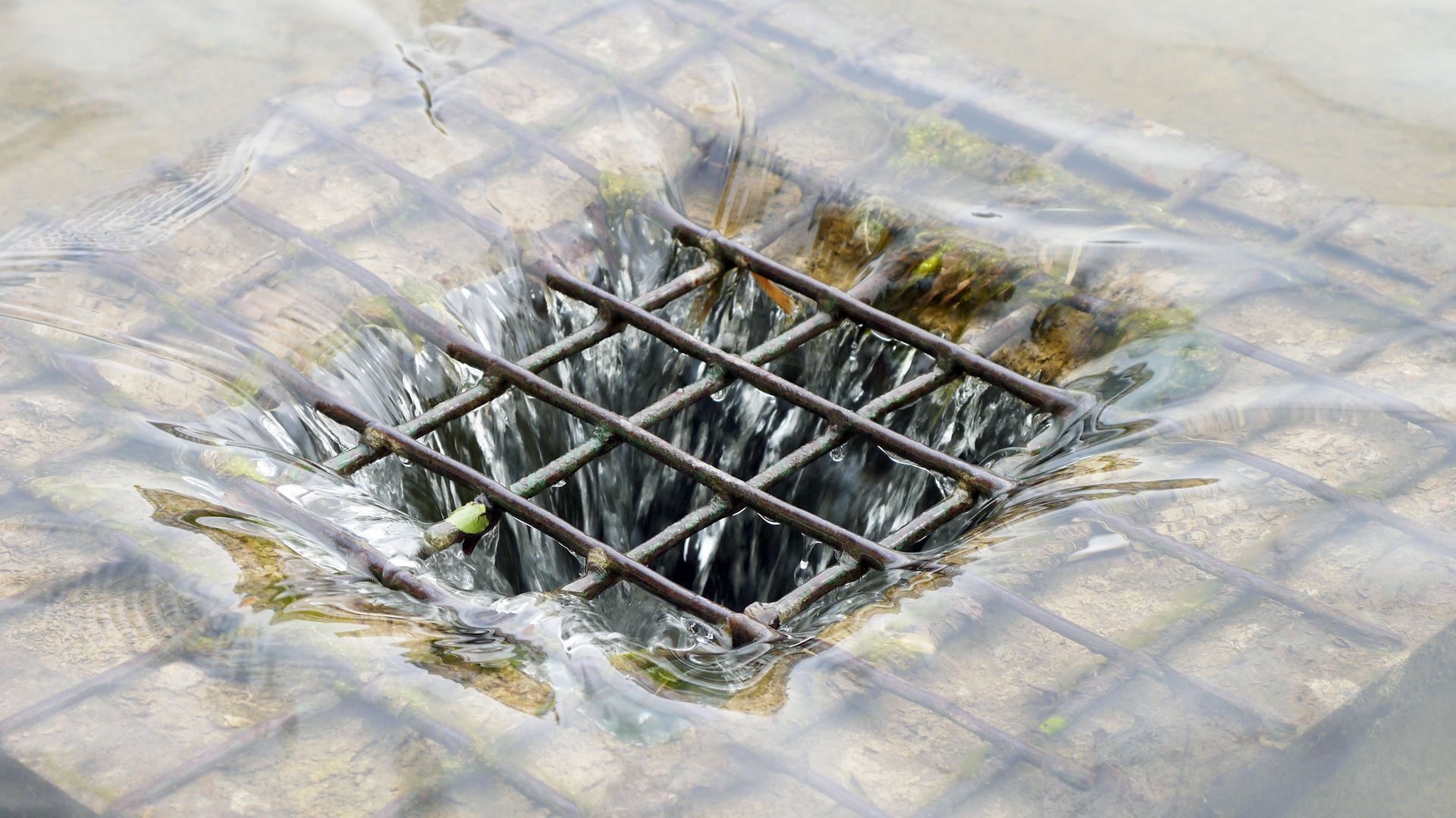
Environmental contamination from discarded food service grease extends far beyond individual restaurant property lines. Liquid fats, cooking oils, and heavy greases that escape into outdoor storm drains flow directly into local rivers, retention ponds, and natural watersheds without passing through municipal treatment plants. Once in aquatic ecosystems, insoluble oil films float across water surfaces, blocking vital sunlight from reaching underwater vegetation and depleting dissolved oxygen levels required by aquatic life.
Active participation in cooking oil recycling establishes an impermeable barrier between commercial kitchens and vulnerable natural water resources. Dedicated containment prevents accidental outdoor spills from reaching stormwater grates during heavy regional rainstorms. Furthermore, by diverting grease into specialized holding tanks, commercial kitchens alleviate the operational burden placed on municipal wastewater treatment plants, which must otherwise expend immense energy to separate emulsified oils from community effluent.
Demonstrating environmental responsibility through systematic oil diversion resonates strongly with modern dining patrons. Consumers actively favor food service establishments that embrace genuine environmental conservation and sustainable resource management. Promoting your facility's grease recovery efforts showcases a meaningful commitment to protecting regional waterways, cultivating positive relationships, and establishing your brand as a conscientious community partner.
Support Sustainable Environmental Reuse Initiatives
Culinary grease is far too valuable to be treated as ordinary rubbish or buried beneath layers of municipal landfill garbage. When properly harvested, used cooking oil represents an energy-rich feedstock that can be repurposed into a wide array of sustainable commercial commodities. Establishing professional cooking oil recycling connects your kitchen directly to regional secondary markets that transform culinary waste into practical, eco-friendly goods.
Specialized processing facilities collect discarded kitchen grease and subject it to comprehensive thermal filtration, centrifugal separation, and refinement. The purified lipids are subsequently converted into clean alternative fuels, high-performance industrial lubricants, biodegradable cleaning solvents, and animal feed supplements. Transitioning used grease into renewable fuels significantly lowers greenhouse gas emissions compared to traditional petroleum extraction, helping drive broader regional decarbonization efforts.
Transforming kitchen waste management from a chaotic chore into a streamlined system begins with a clear operational strategy. Separating discarded grease from internal drains preserves plumbing infrastructure, protects staff members from hazardous slips and burns, streamlines daily closing procedures, and prevents damaging environmental contamination across local watersheds. By establishing dependable cooking oil recycling routines, foodservice operators convert messy grease byproducts into valuable resources for sustainable secondary manufacturing.
If you are ready for a cleaner kitchen and seamless grease management, contact us at Brooks Grease Service today. We will help you optimize your kitchen waste workflows and keep your facility running smoothly.