November 2, 2026
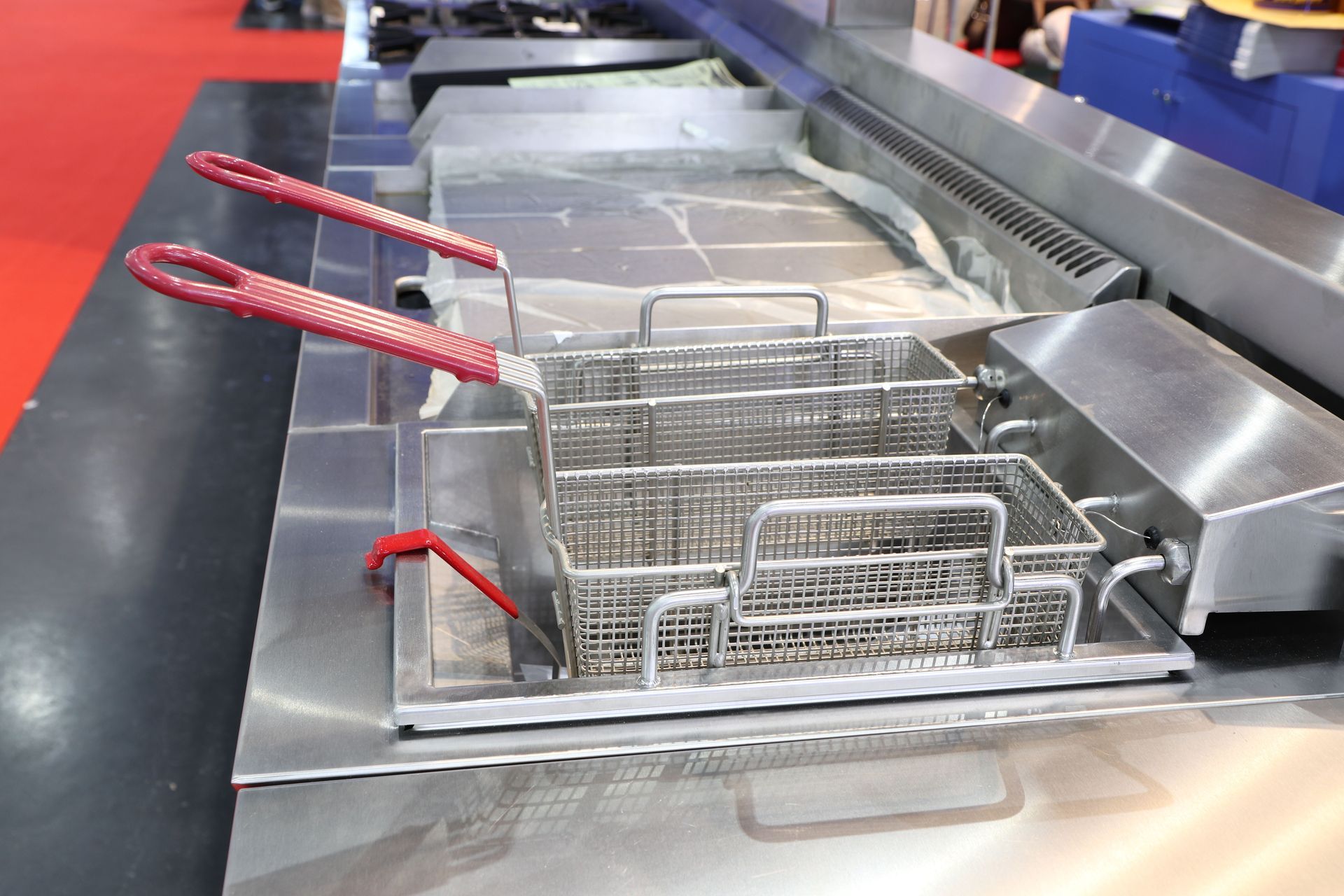
In any demanding foodservice operation, culinary teams work tirelessly to satisfy patron appetites, refine signature recipes, and streamline high-volume meal preparations. However, behind every immaculate dining room and bustling cook line lurks an unavoidable operational byproduct: massive volumes of fats, oils, and grease. Without comprehensive capture mechanisms running along drainage plumbing lines, these liquid lipids slip down interior waste drains, rapidly congealing against cold municipal conduits. The resulting infrastructural congestion leads directly to catastrophic drain backups, terrible biological odors, and forced regulatory shutdowns that ruin hard-earned hospitality reputations. Installing and diligently maintaining commercial grease traps remains the indispensable line of structural defense that preserves ongoing sanitation, prevents pipe corrosion, and shields properties from crippling emergency plumbing expenses.
Regulatory compliance provides another compelling mandate for commercial kitchen leaders to prioritize systematic grease remediation protocols. Municipalities nationwide maintain zero tolerance for illicit culinary waste discharges, enforcing strict effluent standards to prevent the collapse of public sewer utilities. According to Industry Research's 2025 grease-traps market outlook, over 1 million US restaurants and foodservice outlets nationwide are required by regulations to manage FOG. Modern health inspectors and municipal sanitation agents conduct surprise plumbing reviews, verifying grease retention capacity and auditing pump-out logs with rigorous scrutiny. Implementing durable, high-efficiency commercial grease traps guarantees compliance while shielding operators from severe administrative fines, suspension notices, and costly operational delays.
Understanding the Mechanics and History of Modern Traps
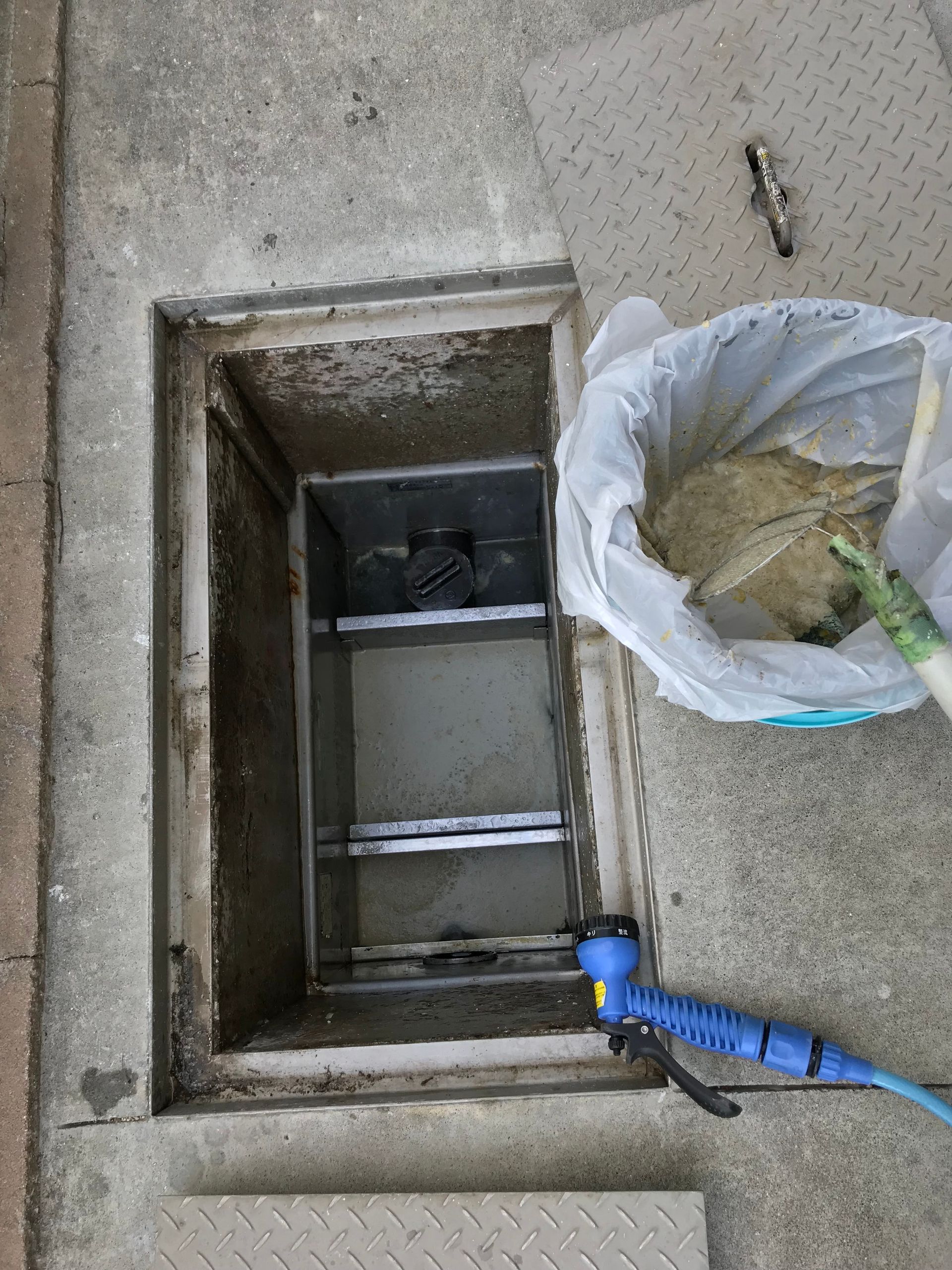
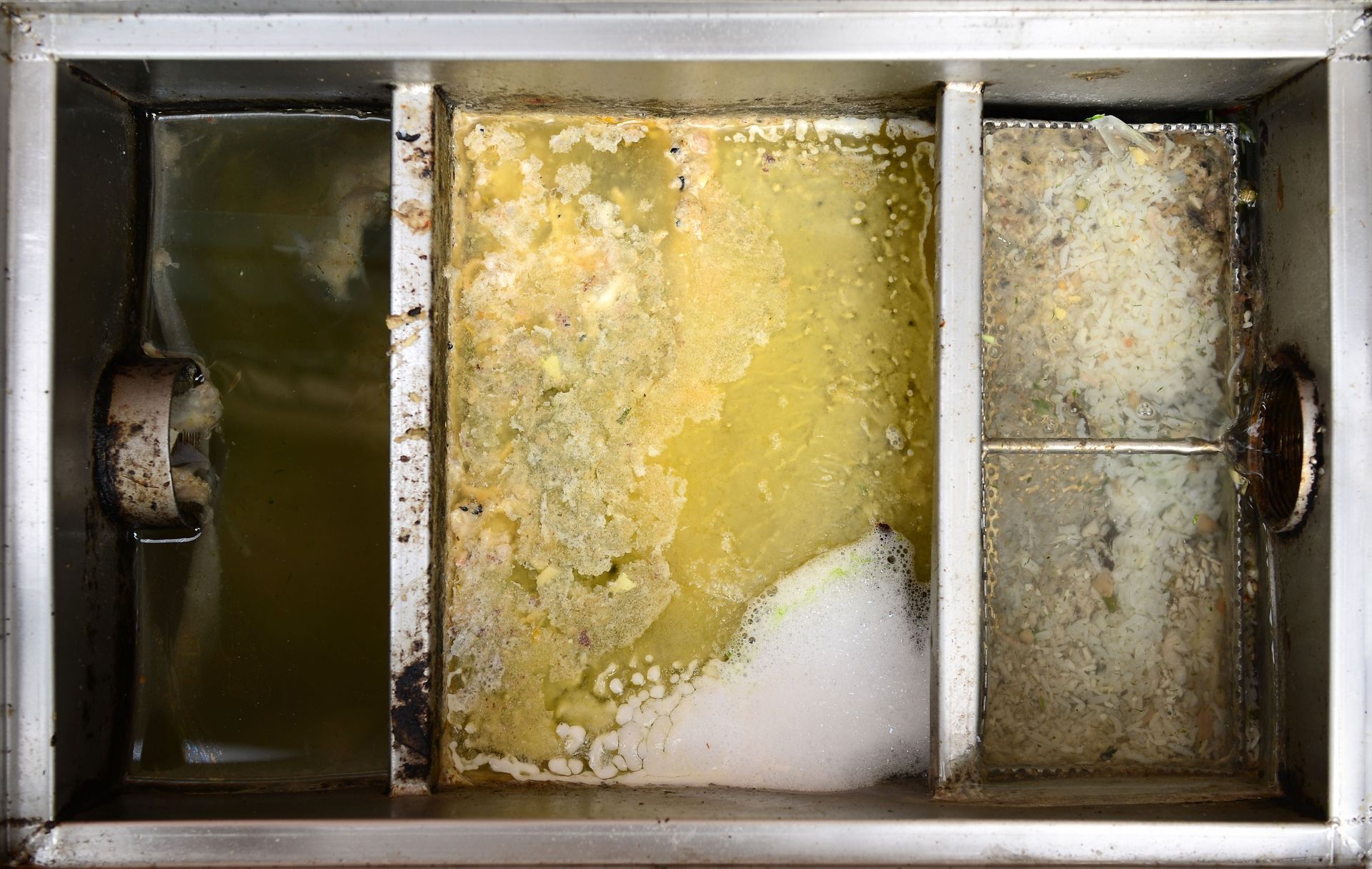
Grease interceptors rely on basic mechanical separation principles and fundamental laws of physics to purify culinary wastewater streams. Because fats, cooking oils, and animal greases possess a notably lower specific gravity than tap water, these buoyant lipids naturally float when wastewater flow slows down within an isolated retention reservoir. Simultaneously, heavier culinary food scraps settle to the bottom floor, creating a stratified three-layer separation inside the containment tank. Modern commercial grease traps incorporate specialized interior baffling configurations, flow restrictors, and vented air chambers that reduce water turbulence, cool scorching wash water, and trap volatile contaminants before discharge lines direct gray wastewater safely into municipal utility systems.
The historical trajectory of commercial grease management mirrors the swift industrial expansion and public health initiatives that shaped modern metropolitan development. Primitive plumbing setups from the nineteenth century routed volatile wash water directly toward city streets and riverways, producing terrible civic contamination and recurrent urban sewer blockages. As public sanitation codes matured throughout the twentieth century, plumbing engineers patented specialized gravity basins, gradually introducing hydromechanical interceptors and corrosion-resistant materials to keep pace with dynamic culinary volumes. Today, advanced commercial grease traps incorporate automated heating elements, solid scraping devices, and digital sensory modules that continuously report internal buildup levels, representing an extraordinary transformation from rudimentary cast-iron grease catchers to sophisticated mechanical systems.
Assessing the Severe Repercussions of Waste Accumulation
Allowing fatty culinary residues to bypass dedicated interceptors produces severe, cascading failures across both internal and external piping networks. Hot dishwater quickly cools once entering subsurface utility pathways, triggering a hardening process where fats turn into thick, paraffin-like deposits that coat interior pipe walls. Over several weeks of heavy service, this unmanaged residue restricts drainpipe diameters, trapping loose food scraps until wastewater flow ceases entirely. The resulting subterranean blockages send contaminated, bacteria-laden dishwater surging backward across scullery floors, creating immediate slips, health violations, and costly emergency shutdowns that paralyze service during peak revenue hours.
Beyond the immediate kitchen walls, unmitigated grease discharge causes devastating damage to municipal infrastructure by creating monolithic sewer fatbergs. When grease mixes with non-biodegradable synthetic wipes, calcium deposits, and general street debris, it solidifies into colossal blockages that choke city sewers and fracture underground mains. The environmental consequences are equally severe, as overwhelmed sewer lines breach, sending raw domestic sewage into urban waterways, delicate coastal ecosystems, and local aquifers. Municipal water departments routinely trace these catastrophic infrastructure damages back to non-compliant culinary kitchens, leveling massive civil penalties, restitution assessments, and litigation against the offending restaurant operators.
Comparing Common Interceptor Designs and Configurations
Modern kitchen planners can choose from a versatile array of interceptor hardware tailored to specific operational demands and floor plan restrictions. Small hydromechanical units fabricated from molded polyethylene or heavy-duty stainless steel are frequently placed directly underneath dishwashing stations, scullery sinks, and prep counters. These localized units process wastewater from individual fixtures, separating floating grease through integrated internal baffles without requiring massive structural alterations. Conversely, large automated recovery systems utilize motorized internal disks or mechanical skimmers that continuously pull accumulated lipids into exterior collection jugs, drastically minimizing messy hands-on scraping tasks for kitchen staff.
For high-volume institutional venues, massive exterior gravity interceptors buried underneath parking areas or exterior service docks offer superior retention capacities. These concrete or fiberglass vaults hold thousands of gallons of culinary wastewater, providing lengthy settling times that intercept enormous grease volumes generated by continuous commercial operations. Forward-thinking restaurateurs assess their weekly cooking oil consumption, maximum peak dishwashing gallons per minute, and available physical square footage before choosing specific commercial grease traps for their properties. Proper installation positioning dictates service accessibility, ensuring outside pump trucks can easily hook vacuum hoses to access lids without driving through crowded dining spaces.
Maintaining Equipment Through Strict Service Schedules
Even the most technologically sophisticated interceptor quickly malfunctions if staff ignore fundamental maintenance tasks and pump-out routines. Kitchen supervisors must enforce the standardized one-quarter rule, which requires a full cleanout whenever grease and solid waste consume twenty-five percent of the tank volume. Exceeding this critical operating threshold allows swift wastewater currents to sweep floating grease through the outlet baffle, sending concentrated fatty waste directly into downstream drainage pipes. Establishing disciplined daily cleaning tasks-such as scraping loose food remnants from sink baskets and checking baffle integrity-ensures internal separation mechanisms operate without unexpected drainage resistance.
Partnering with licensed pumping providers guarantees that high-volume interceptors are completely evacuated, pressure-washed, and professionally documented on a consistent calendar schedule. Qualified technicians utilize heavy-duty vacuum suction lines to extract accumulated top grease, fluid wastewater, and hardened floor sludge, leaving the interior housing clean and structurally sound. Professional service teams also check physical integrity, ensuring rubber gaskets, mechanical seals, and PVC flow controls remain intact to block dangerous sewer gas leaks. These recorded manifest logs provide clear proof of municipal compliance, giving owners peace of mind whenever local environmental inspectors request waste tracking records.
Protecting Structural Safety and Kitchen Operations
Investing in well-maintained commercial grease traps plays an essential role in preventing catastrophic grease-fueled fire hazards across cooking environments. When drainage lines back up with volatile, lipid-rich sludge, ambient heat from surrounding ovens, boiling ranges, and fryers can create flammable fumes that travel through interior floor voids. Furthermore, unmanaged grease buildup produces terrible biological odors, as stagnant animal fats and decaying food waste produce volatile hydrogen sulfide gases inside utility closets. Maintaining clean, functioning interceptor assemblies ensures that volatile odors and combustible residues are captured safely, preserving a fresh, pleasant environment for kitchen staff and dining patrons alike.
Reliable plumbing infrastructure directly impacts employee morale, workforce retention, and daily labor productivity inside bustling restaurant workspaces. When dishwashers and cooks struggle against sluggish drainage lines, flooded prep areas, and slippery floors, kitchen workflow slows, and accidents escalate rapidly. Implementing comprehensive grease interception infrastructure eliminates messy drainage interruptions, allowing back-of-house staff to concentrate fully on meal execution, safety standards, and kitchen sanitation. By neutralizing mechanical emergencies before they develop into expensive disruptions, commercial grease traps secure the long-term operational health, profitability, and professional standing of any ambitious foodservice business.
Prioritizing preventative grease interceptor maintenance remains one of the smartest operational investments a foodservice director can implement to safeguard their property and ensure uninterrupted service. Rather than waiting for a catastrophic kitchen backup or a hefty municipal citation to disrupt operations, proactive managers prioritize routine extraction, regular plumbing audits, and certified disposal practices. Ensuring your kitchen runs smoothly requires experienced technical partners who understand local environmental mandates, high-capacity vacuum extraction, and eco-friendly waste recycling. For dependable grease mitigation, regulatory documentation, and rapid pump-out solutions tailored to your operational schedule, reach out to Brooks Grease Service to book your professional facility inspection today.