May 1, 2026
Improper grease disposal is a growing environmental concern with far-reaching consequences for ecosystems, infrastructure, and public health. When fats, oils, and grease are not handled correctly, they can disrupt water systems, degrade soil, and contribute to air pollution. Many of these issues stem from everyday practices in homes, restaurants, and industrial settings, making awareness and proper management essential. Implementing solutions such as maintaining grease traps and following responsible disposal methods can significantly reduce these negative impacts.
Understanding how grease behaves and why it creates problems is the first step toward preventing environmental damage. Because grease does not easily break down in water, it accumulates in pipes, soil, and natural habitats over time. This persistence leads to long-term challenges that affect communities and ecosystems alike. By prioritizing proper handling and maintenance of traps, individuals and businesses can take meaningful steps toward reducing pollution and protecting vital resources.
Understand Grease Composition and Sources
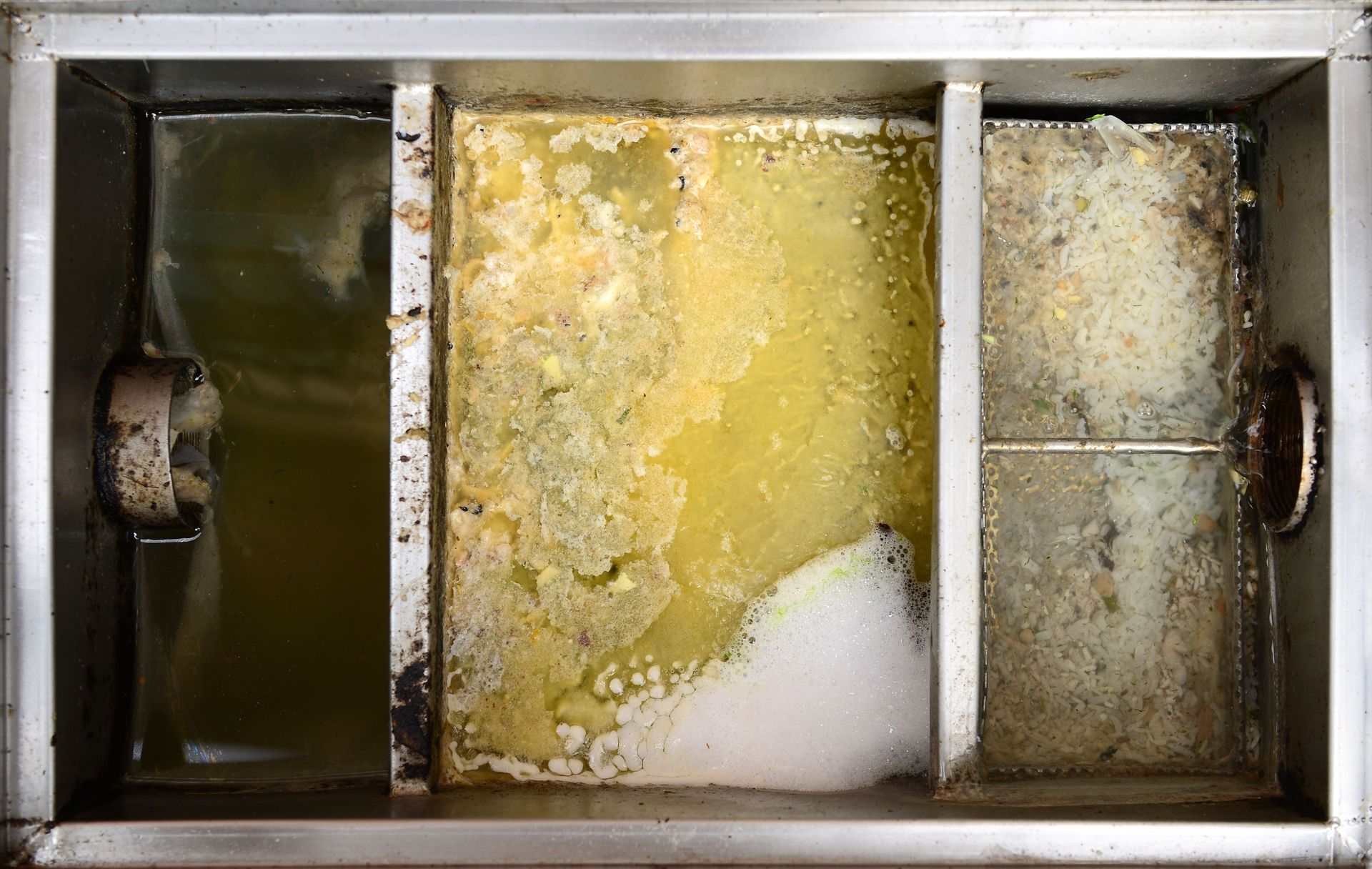
Grease is a semi-solid substance composed of fats, oils, and various chemical compounds that result from cooking and industrial processes. Its thick, sticky nature makes it resistant to dissolving in water, which is a primary reason it causes environmental issues when disposed of improperly. Found in both residential kitchens and large-scale food production facilities, grease is generated in significant quantities every day. Installing and maintaining traps helps capture this material before it enters plumbing systems and creates larger problems.
Common sources of grease include households, restaurants, and industrial operations, each contributing to the overall volume of waste. Once grease becomes contaminated with food particles or other substances, it is no longer reusable and must be disposed of properly. Without systems like grease traps in place, this waste often ends up in drains, where it begins to accumulate. Proper storage, collection, and disposal practices are essential for minimizing environmental harm and ensuring that grease does not enter ecosystems unchecked.
Examine Impacts on Water Systems
Water systems are among the most affected by improper grease disposal. When grease enters sewer lines, it cools and solidifies, clinging to pipe walls and gradually restricting flow. According to the U.S. Environmental Protection Agency, nearly 47% of sewer overflows and blockages are linked to fats, oils, and grease from homes, restaurants, and industrial sources. This widespread issue places significant strain on municipal infrastructure and increases the risk of sewage backups. Regular use and maintenance of traps play a critical role in preventing these disruptions.
Beyond infrastructure concerns, grease contamination can extend to natural water bodies such as rivers and lakes. When grease forms a layer on the surface, it limits oxygen exchange, harming aquatic life and disrupting ecosystems. Pollutants carried within grease can further degrade water quality, affecting both wildlife and human populations. Effective management through grease traps and proper disposal methods helps reduce these risks and supports healthier water systems.
Analyze Soil and Land Degradation
Improperly discarded grease can seep into the ground, negatively impacting soil health and structure. Its thick consistency clogs soil pores, reducing aeration and limiting the ability of plants to absorb nutrients and water. Over time, this can lead to reduced fertility and hinder plant growth. Preventing grease from entering the soil begins with responsible disposal practices and the use of traps to capture waste before it escapes into the environment. Even small, repeated amounts of grease can accumulate beneath the surface, creating long-term issues that are not immediately visible. This gradual buildup makes early prevention especially important for preserving soil quality and supporting healthy vegetation.
Grease contamination can alter the chemical balance of soil, creating conditions that are harmful to microorganisms and plant life. Toxic compounds within grease may accumulate, disrupting ecosystems and reducing biodiversity. Cleaning contaminated soil is often difficult and expensive, requiring specialized methods that may not fully restore original conditions. By prioritizing proper grease management and maintaining grease traps, communities can protect land resources and avoid long-term environmental damage. Consistent maintenance ensures that grease is effectively contained and does not migrate into surrounding areas where it can cause further harm. Taking a proactive approach helps safeguard both natural habitats and the long-term usability of land.
Evaluate Air Quality and Odor Issues
Improper grease disposal can contribute to air pollution through the release of volatile compounds during decomposition. As grease breaks down, it emits substances that can affect air quality and create unpleasant odors. These emissions are particularly noticeable near disposal sites or areas with inadequate waste management practices. Using traps to contain and manage grease waste helps reduce the release of these harmful compounds into the atmosphere.
Odor issues are not only a nuisance but can also impact quality of life and community well-being. Persistent smells from decomposing grease can make residential and commercial areas less desirable. In some cases, prolonged exposure to these emissions may contribute to health concerns, particularly for individuals with respiratory sensitivities. Proper containment, disposal, and maintenance of grease traps are essential steps in minimizing air pollution and maintaining a healthier environment.
Assess Economic Consequences
The financial impact of improper grease disposal is significant, affecting municipalities, businesses, and property owners. Sewer blockages and infrastructure damage require costly repairs and ongoing maintenance, placing a burden on public resources. These expenses can divert funding from other essential services and lead to increased costs for communities. Implementing preventive measures, including the regular servicing of traps, can help reduce these financial strains.
Businesses, particularly in the food service industry, may face additional costs related to fines, repairs, and compliance requirements. Infrastructure failures caused by grease buildup can disrupt operations and lead to lost revenue. Environmental cleanup efforts further add to the economic burden, often requiring specialized services and extended timelines. Investing in proper grease management and maintaining traps is a cost-effective approach that supports long-term financial stability and environmental responsibility.
Implement Preventive Solutions
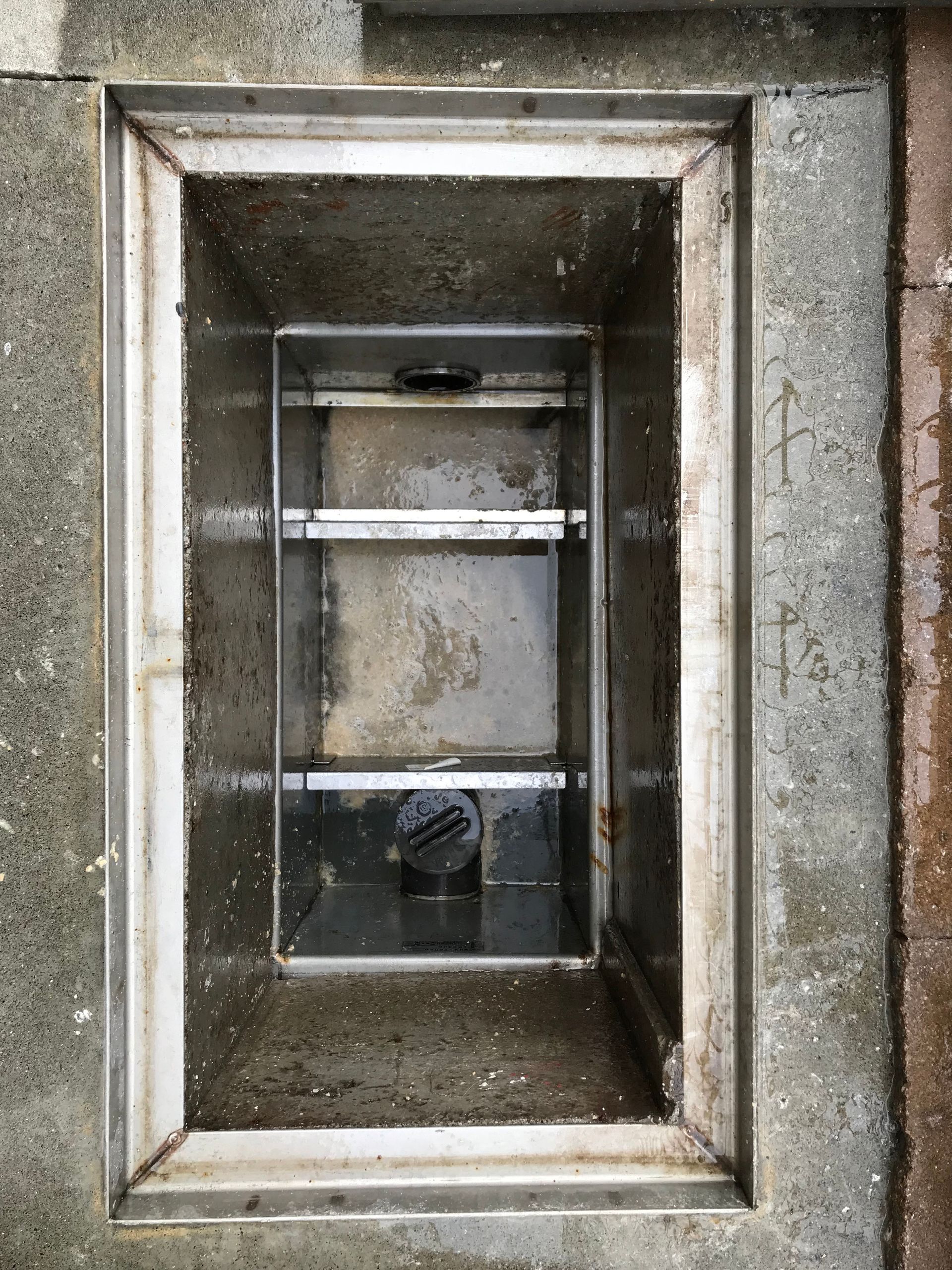
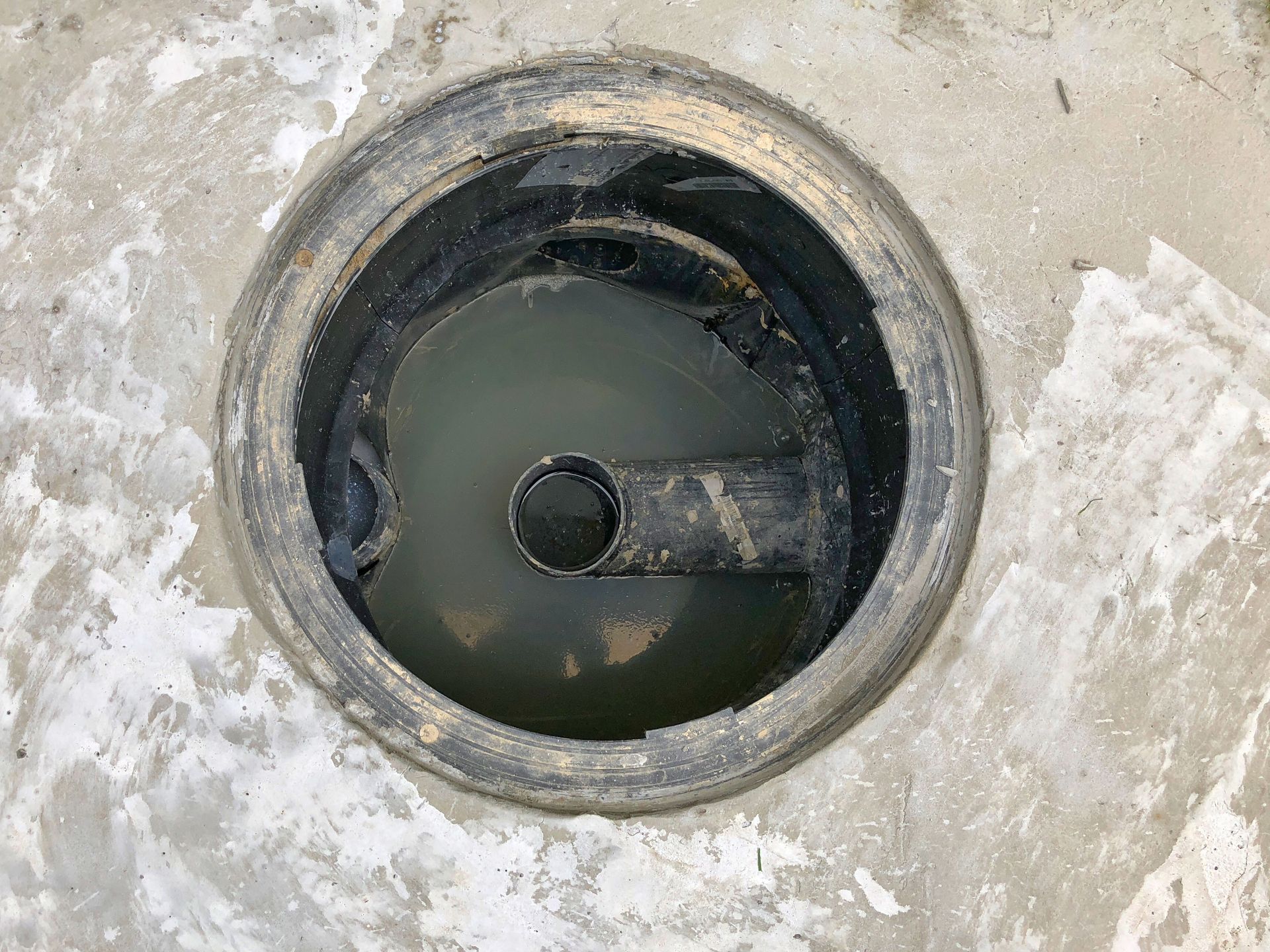
Preventing the environmental costs of grease disposal requires a combination of proper equipment, education, and consistent practices. Grease traps are one of the most effective tools for capturing fats and oils before they enter sewer systems. Regular cleaning and maintenance ensure that these systems function properly and continue to protect infrastructure. Businesses and homeowners alike benefit from incorporating traps into their waste management routines.
Additional solutions include recycling used grease, adopting sustainable disposal methods, and participating in community education efforts. Technological advancements continue to improve the efficiency of grease management systems, making it easier to reduce environmental impact. Collaboration between individuals, businesses, and local authorities is key to creating lasting change. By prioritizing responsible practices and maintaining traps, communities can significantly reduce pollution and protect natural resources.
The environmental costs of improper grease disposal extend far beyond clogged pipes, affecting water quality, soil health, air quality, and local economies. Recognizing the impact of everyday actions is essential for creating meaningful change and preventing long-term damage. With the right strategies in place, these challenges can be addressed effectively, leading to cleaner and more sustainable communities.
Taking proactive steps, such as maintaining grease traps and following proper disposal practices, is critical for reducing environmental harm. Whether you are a homeowner or a business owner, responsible grease management makes a measurable difference. If you are ready to improve your grease handling practices, contact Brooks Grease Service today so we can help you implement reliable solutions that protect your property and the environment.