November 5, 2026
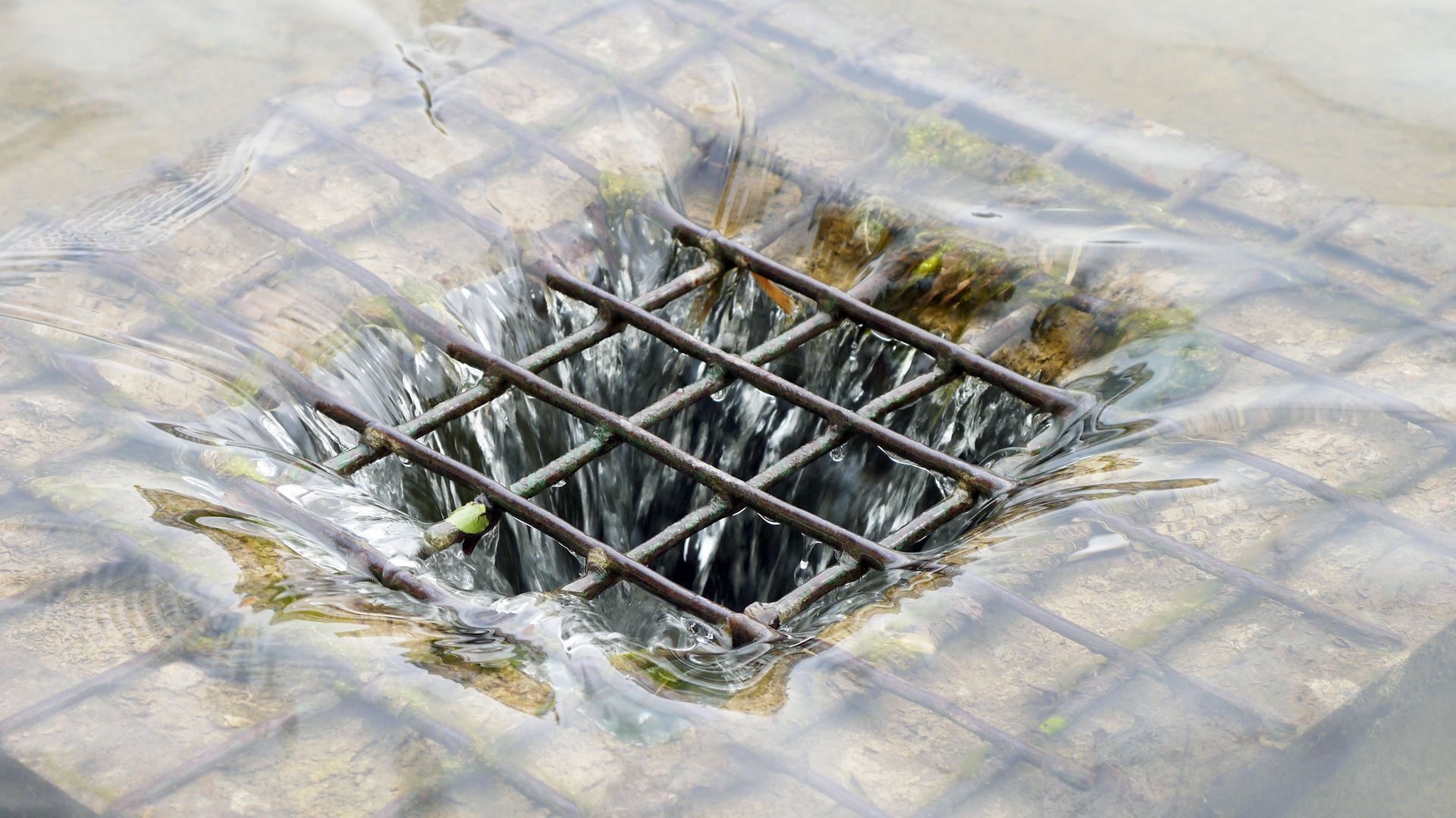
Operating a thriving food establishment requires constant attention to cleanliness, workplace safety, and environmental stewardship. Commercial kitchens handle substantial volumes of fats, oils, and solid food debris throughout every culinary shift. When these kitchen residues enter the municipal drainage network, they can solidify inside sewer conduits, obstruct main plumbing lines, and trigger severe sanitation hazards. Installing and maintaining an effective grease trap is vital for preventing wastewater blockages and preserving the health of local sewer infrastructure.
Selecting the right service partner to clean and pump this vital interceptor equipment represents an essential operational decision for any commercial cooking facility. The right vendor ensures smooth plumbing operations, assists kitchen operators in avoiding municipal penalties, and keeps your staff focused on culinary excellence. Before committing to a service agreement, asking the right questions helps determine whether a technician has the necessary skills, equipment, and compliance knowledge. Taking time to evaluate service capabilities safeguards your enterprise against plumbing catastrophes and health code citations.
1. What Experience Do You Possess for Commercial Waste Management?
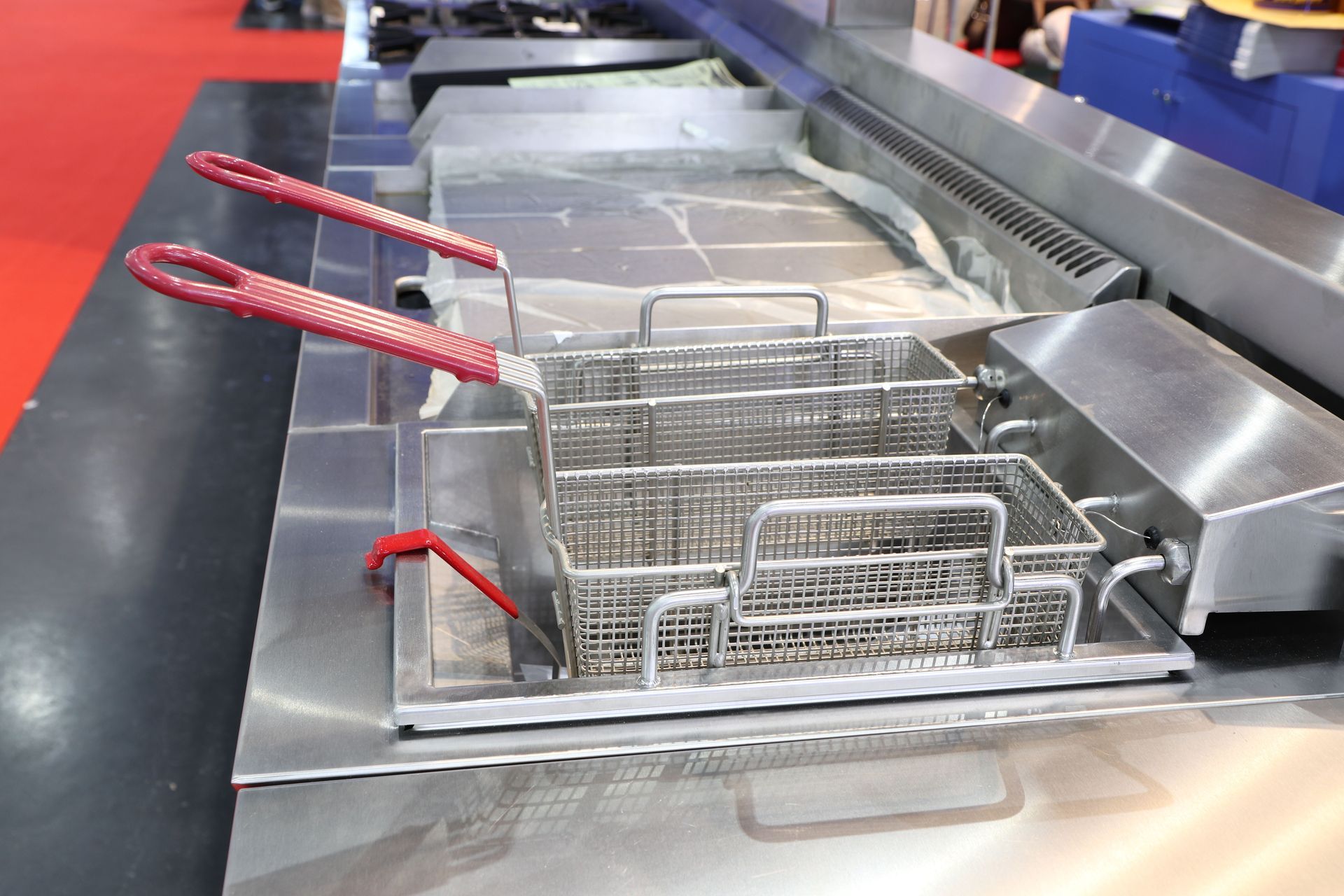
Commercial kitchen plumbing demands specialized expertise that general plumbing companies might not possess. Different kitchen setups produce vastly distinct volumes of fats, oils, and cooking residues. A high-volume restaurant with multiple deep fryers creates a completely different waste profile than a small bakery or a corporate cafeteria. When vetting a potential service partner, asking specifically about their background with facilities of your size and operational style provides essential clarity. A provider with extensive commercial history understands how kitchen waste accumulation patterns vary across seasonal menu shifts and peak dining periods.
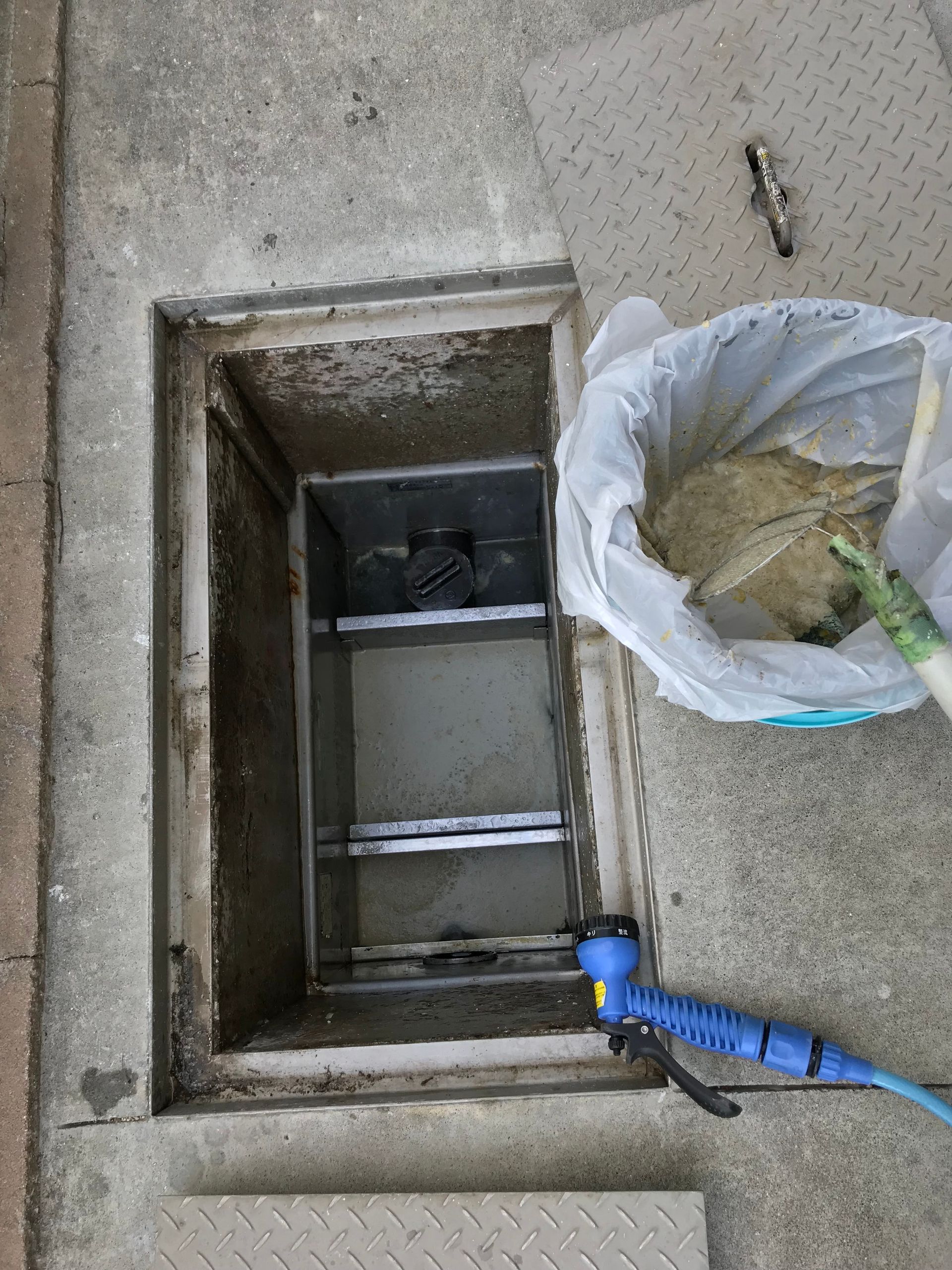
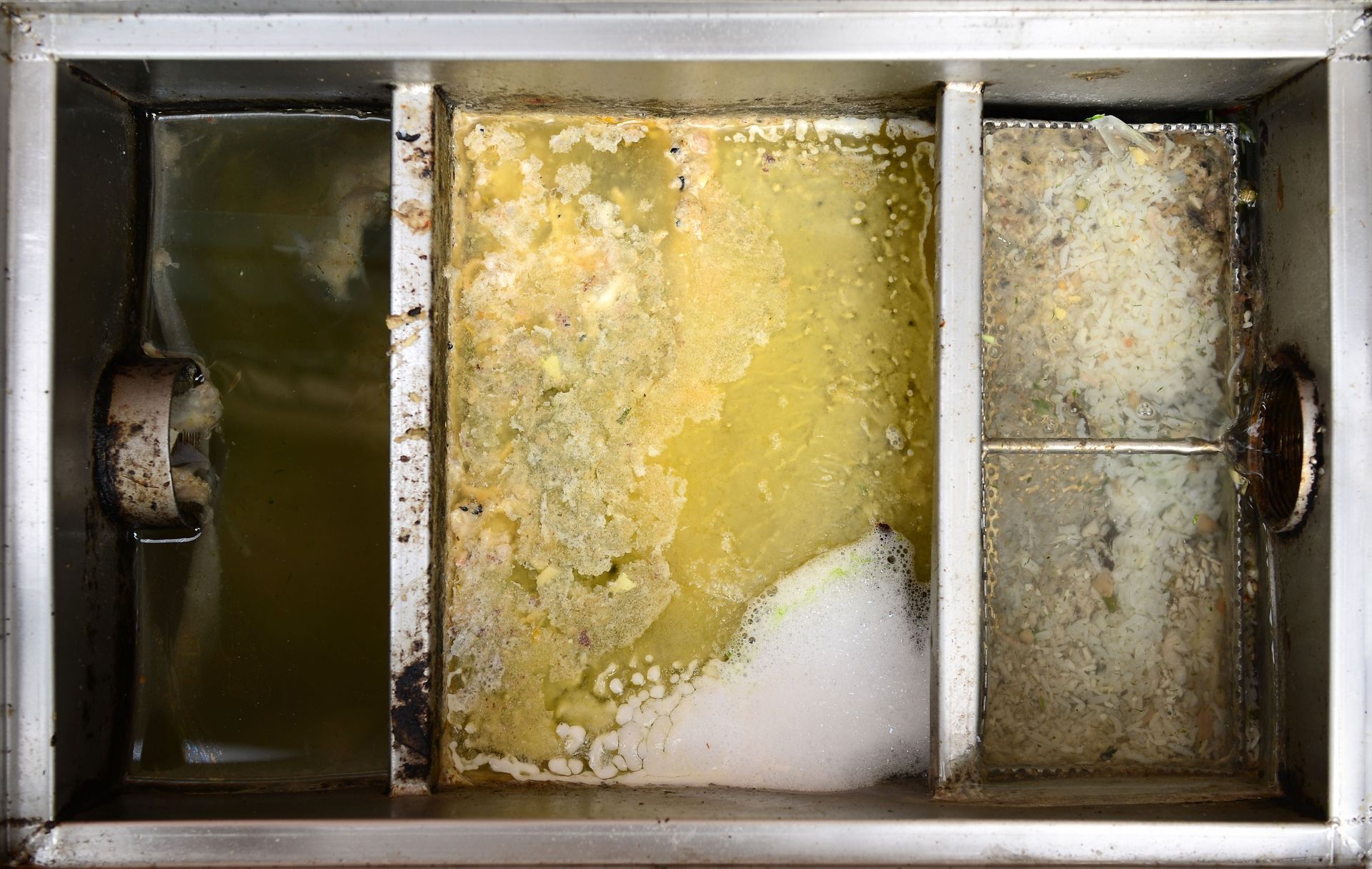
Experienced technicians understand the internal mechanics of a grease trap and can identify early warning signs of mechanical wear or baffling deterioration before a disastrous sewage backup occurs. Skilled specialists evaluate inlet and outlet tees, test drainage flow velocity, and inspect tank walls for structural integrity during every pumping appointment. Furthermore, knowledgeable specialists understand municipal plumbing layouts and sewer configurations, allowing them to provide practical recommendations tailored to your specific building. Inquiring about a vendor's tenure in the commercial waste pumping industry provides clear insight into their operational stability and depth of practical knowledge.
2. What Certifications Do You Hold for Municipal Regulatory Compliance?
Local municipalities and regional sanitation authorities enforce rigorous rules regarding wastewater discharge from commercial cooking operations. According to Industry Research, there are more than 3.5 million food service establishments across the world, demonstrating how essential regular interceptor pumping remains for meeting municipal hygiene standards. Commercial kitchens that neglect regulatory standards face severe legal consequences, including substantial municipal fines, mandatory closures, and revoked operating permits. Therefore, verifying that a contractor holds active licenses and health permits is non-negotiable for responsible management.
Ask prospective contractors to furnish proof of state, regional, and municipal licenses authorizing them to collect, haul, and dispose of liquid commercial kitchen waste. Legitimate technicians maintain full liability insurance and workers' compensation coverage to shield commercial properties from liability during maintenance procedures. Working with a fully certified technician guarantees that your grease trap receives maintenance that complies strictly with local environmental protection regulations. Qualified professionals stay current with evolving wastewater legislation, ensuring your commercial kitchen remains ahead of shifting legal requirements and inspections.
3. What Procedures Do You Implement for Responsible Waste Disposal?
Pumping collected cooking grease from your plumbing fixture is merely the initial phase of the waste management process. Once kitchen waste leaves your building, the hauler bears responsibility for transporting and processing the liquid residues in an environmentally conscious manner. Unfortunately, unscrupulous contractors sometimes dump fats and cooking residues improperly, which can lead to severe environmental damage and municipal scrutiny directed back at your restaurant.
Responsible contractors transport collected waste directly to licensed processing centers, rendering facilities, or anaerobic digestion plants. In modern processing facilities, collected cooking fats are refined into sustainable biofuels, soil conditioners, or organic fertilizers. Ask potential contractors exactly where collected waste goes after leaving your location and what environmental safeguards they observe throughout the transport process. A conscientious company will proudly explain their sustainable disposal pipeline and how each grease trap cleaning supports broader environmental sustainability goals.
Proper waste tracking protects your business reputation and demonstrates your commitment to green corporate stewardship. Reputable providers provide chain of custody verification, confirming that every gallon of liquid waste arrives safely at approved processing destinations. Partnering with environmentally conscious waste professionals gives you complete assurance that your waste stream receives proper ecological treatment from extraction to final recycling.
4. What Protocols Do You Maintain for Urgent Plumbing Emergencies?
Even with careful daily kitchen habits, unexpected kitchen plumbing clogs and drain backups can develop suddenly during busy dinner rushes. When plumbing fixtures back up into your kitchen, operations must halt immediately to preserve food safety, leading to halted dining service and damaged customer goodwill. Knowing how your waste management provider responds to sudden crises brings immense peace of mind to kitchen managers and executive chefs.
Inquire whether the company maintains dedicated rapid-response technicians available during nights, weekends, and holiday rushes. You should also evaluate their communication protocols during emergency events. Do you reach a live dispatch specialist immediately, or does your call route to an unmonitored voicemail box? A reliable emergency provider dispatches vacuum trucks swiftly to clear an overflowing grease trap before dirty wastewater spreads across your kitchen floors.
Prompt crisis resolution prevents small drainage disruptions from spiraling into extended kitchen shutdowns. Asking about guaranteed response windows and emergency routing allows you to create effective contingency plans for your kitchen team. A dependable service partner understands that in the culinary world, plumbing delays mean lost business and severe operational headaches.
5. What Documentation Do You Provide for Local Health Inspections?
Health inspectors and municipal sewer district representatives frequently conduct unannounced visits to review kitchen sanitation logs and maintenance records. If an inspector requests maintenance manifests that you cannot promptly produce, your facility may face immediate citations, even if the equipment was recently serviced. Thorough, accurate service documentation protects your enterprise during regulatory reviews and keeps your establishment running smoothly.
Ask prospective vendors about the detailed service manifests they provide after completing each pump-out. Quality contractors issue comprehensive manifests detailing the service date, the volume of liquid waste removed, the condition of internal baffles, and the licensed disposal facility where waste was delivered. Many leading companies offer digital portals where kitchen managers can retrieve electronic service records on demand. Having organized records ensures you can easily prove that your commercial grease trap receives prompt, routine maintenance.
Consistent record-keeping also aids internal facilities planning by highlighting long-term accumulation trends and plumbing performance patterns. Documented service histories allow facility supervisors to optimize pumping intervals, verify system longevity, and showcase impeccable sanitation standards during annual corporate audits. Transparent documentation ultimately transforms routine maintenance into a powerful tool for operational excellence.
Investing time in choosing the right waste management professional yields substantial long-term benefits in kitchen safety, hygiene, and uninterrupted daily service. When a trained specialist inspects, empties, and cleans your primary grease trap, your entire plumbing infrastructure remains protected against damaging disruptions and municipal scrutiny. Maintaining an ongoing relationship with an established provider ensures that your back-of-house operations run seamlessly from opening prep to late-night closing.
If you are ready for dependable waste interceptor management, contact us at Brooks Grease Service today. We will help you maintain an efficient, compliant kitchen that operates smoothly without unexpected plumbing interruptions.