March 31, 2026
Cooking oil plays a central role in commercial kitchens and food service operations, but what happens after it’s used matters more than many people realize. From environmental concerns to infrastructure damage, improper disposal can create widespread issues that ripple far beyond the kitchen. Businesses that prioritize responsible practices, including cooking oil recycling, not only protect their operations but also contribute to healthier communities and more sustainable systems overall.
Understand the Environmental Impacts of Improper Disposal
Improper disposal of used oil has immediate and long-term consequences for the environment. When oil enters waterways, it forms a barrier on the surface that limits oxygen exchange, harming aquatic life and disrupting delicate ecosystems, and even small amounts can contaminate large volumes of water, making treatment more difficult and expensive. On land, oil can seep into soil and create a hydrophobic layer that prevents water and nutrients from reaching plant roots, ultimately reducing soil fertility and harming biodiversity, while wildlife is also affected as animals exposed to contaminated environments may ingest harmful substances or suffer from habitat degradation. Incorporating cooking oil recycling into daily operations helps minimize these risks and supports broader environmental preservation efforts.
Recognize the Strain on Urban Infrastructure
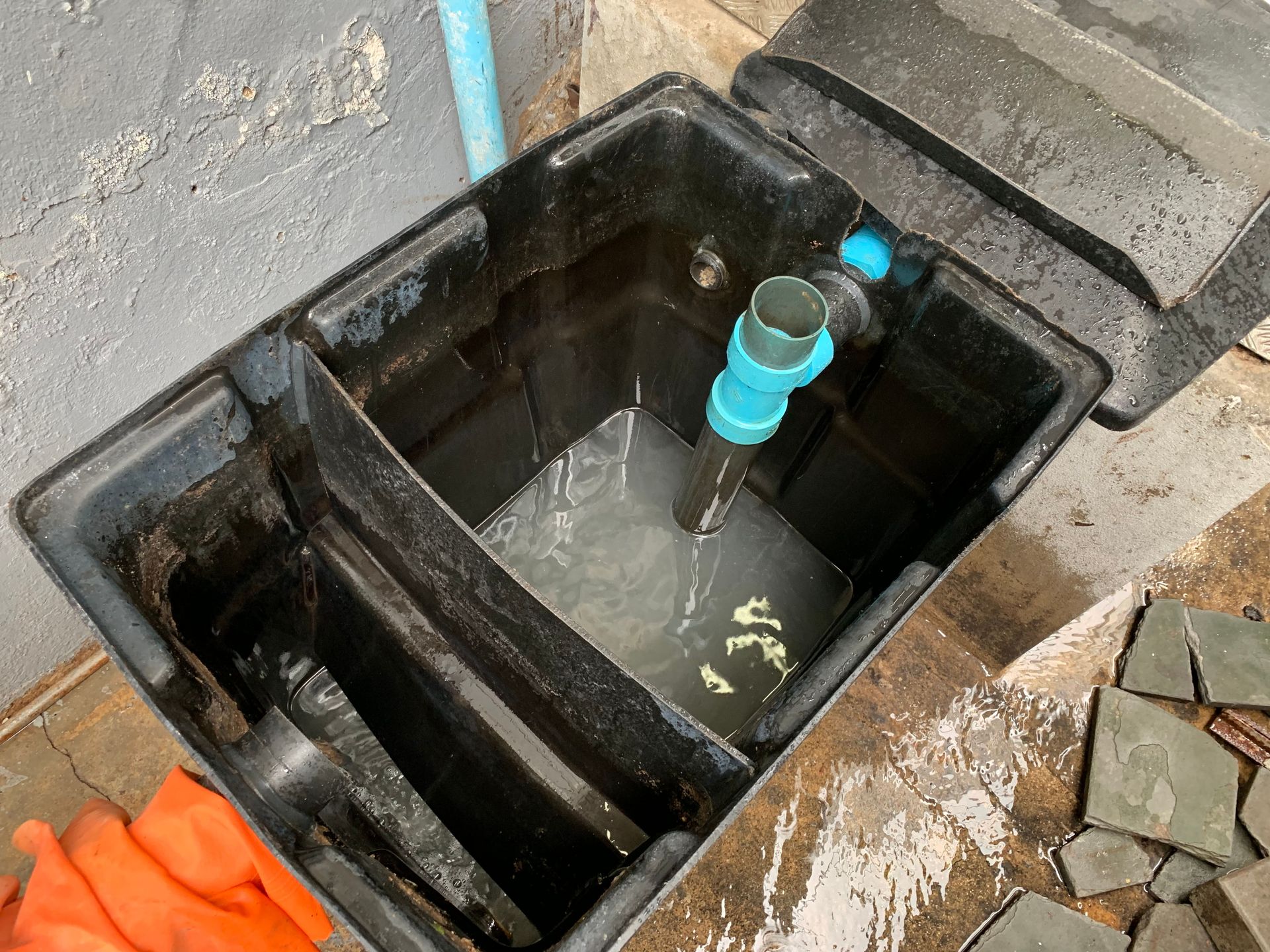
Urban systems are not designed to handle large quantities of grease and oil, and when used oil is poured down drains, it cools and solidifies, sticking to pipe walls and gradually building up into blockages that can severely restrict water flow and lead to backups. These accumulations, often referred to as fatbergs, can disrupt entire systems, and according to Popular Science, restaurant grease traps can store up to 225 pounds of used grease, which highlights just how quickly waste can accumulate in commercial settings and why proper handling is essential. When businesses adopt cooking oil recycling, they significantly reduce the burden on sewer systems and help maintain reliable infrastructure.
Prevent Damage to Wastewater Systems
Wastewater treatment facilities rely on carefully balanced biological and chemical processes to function effectively, but when oil enters these systems, it can interfere with treatment stages, reducing efficiency and increasing the likelihood of system failure, which may result in untreated or partially treated water being released into the environment. The cost of repairing and upgrading damaged systems can be substantial, placing additional strain on municipalities and taxpayers, making prevention far more cost-effective than reactive fixes. By prioritizing responsible disposal methods and cooking oil recycling, businesses can play a direct role in preserving these essential systems and avoiding unnecessary disruptions.
Reduce Maintenance Costs and Operational Risks
Frequent blockages and system failures translate into higher maintenance costs for cities and businesses alike, as plumbing repairs, pipe replacements, and emergency cleanups can quickly become expensive, especially when issues are recurring and compounded over time. For commercial kitchens, these disruptions can interrupt daily operations, delay service, and impact revenue, creating both financial and reputational challenges that are difficult to recover from quickly. Taking a proactive approach to waste management, including consistent cooking oil recycling, helps reduce these risks while creating a more predictable and manageable system that allows businesses to focus on their core operations without unexpected interruptions or costly repairs.
Protect Public Health and Safety
Improper oil disposal doesn’t just affect infrastructure—it also has direct implications for public health, as contaminated water sources can carry harmful pathogens that increase the risk of waterborne illnesses such as cholera and dysentery, while burning oil releases pollutants into the air that contribute to respiratory issues and long-term health concerns. Food safety is another critical factor, since reusing degraded oil or handling it improperly can introduce harmful compounds into food, posing risks to customers and damaging a business’s reputation. Implementing safe disposal practices and cooking oil recycling helps maintain higher health standards while protecting employees, customers, and the communities they serve.
Support Economic Stability in Local Communities
Environmental damage caused by improper disposal can have a ripple effect on local economies, as contaminated soil and water can reduce agricultural productivity, while polluted environments may deter tourism and negatively impact local businesses that rely on clean, appealing surroundings. Infrastructure repairs and environmental cleanup efforts also require significant financial investment, diverting resources away from other important community initiatives and development projects. By adopting sustainable practices such as cooking oil recycling, businesses contribute to a more stable economic environment where reduced strain on public systems and improved environmental conditions support long-term growth and resilience.
Implement Sustainable Disposal Practices
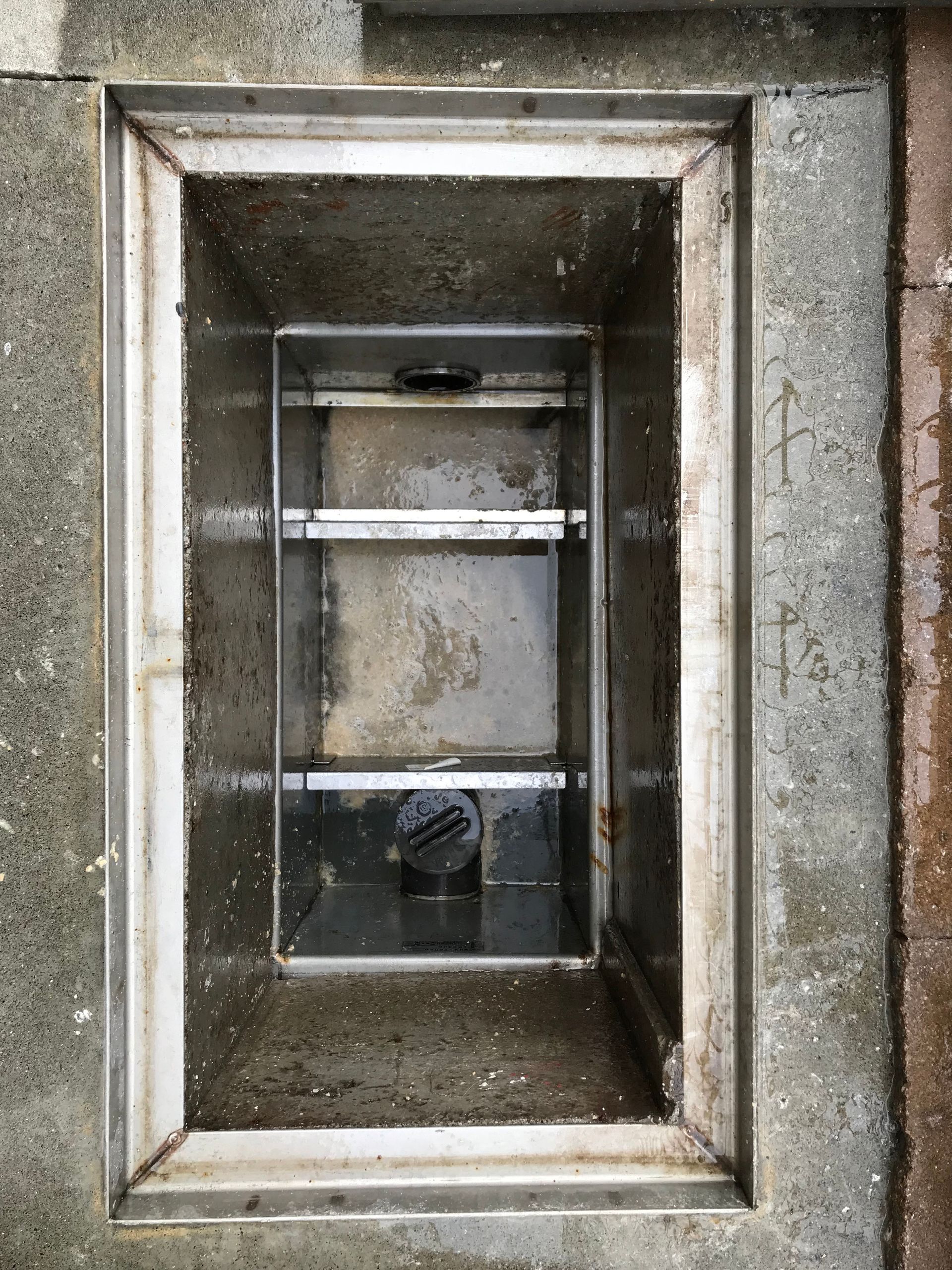
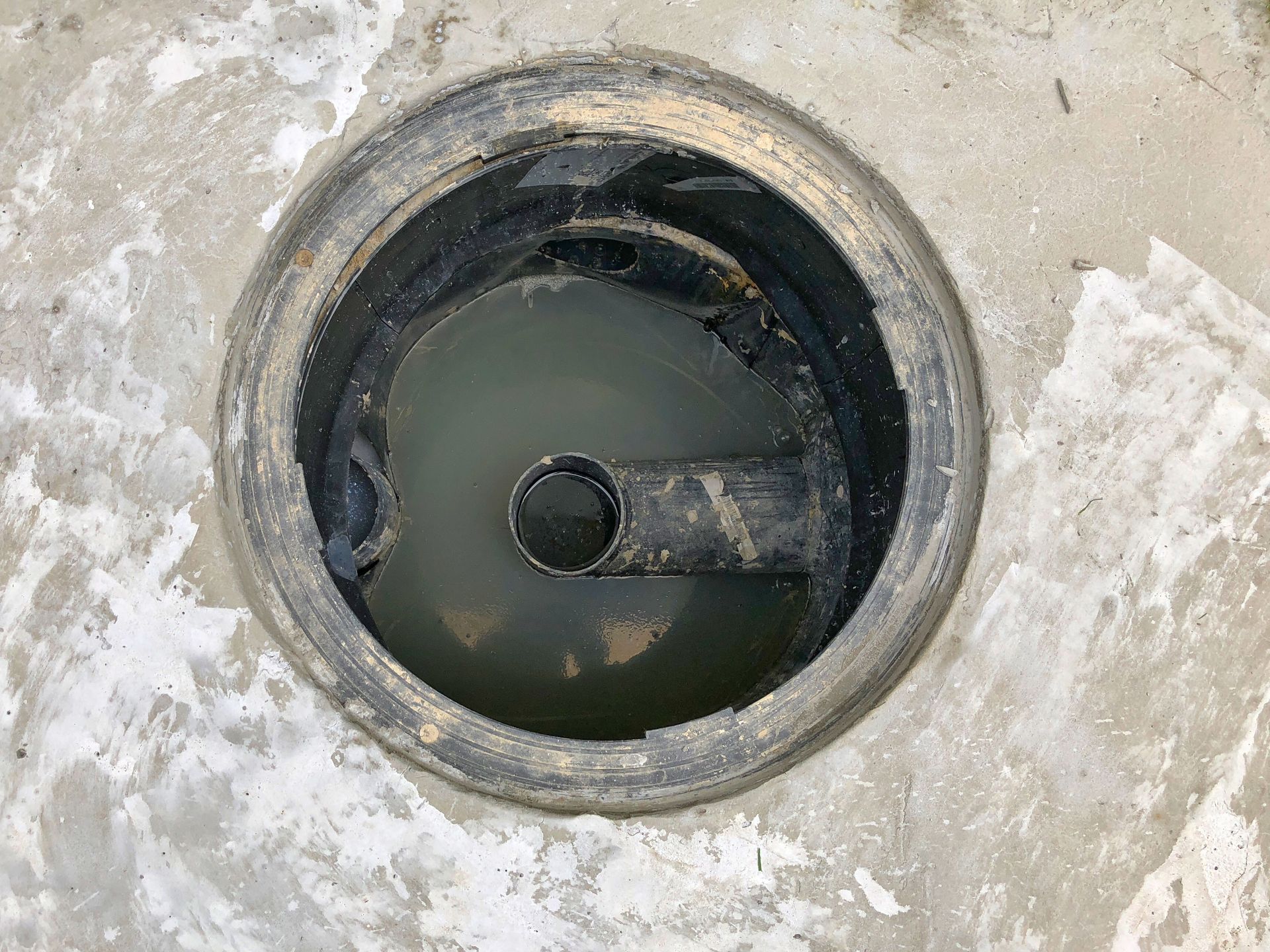
Sustainability starts with practical, everyday actions, and recycling used oil allows it to be repurposed into products like biodiesel, reducing reliance on fossil fuels while lowering overall carbon emissions and creating value from materials that would otherwise be discarded. Commercial kitchens can benefit from solutions like automated grease tanks and properly maintained grease traps, which streamline collection and storage while making it easier to manage waste efficiently and prepare it for recycling without disrupting workflow. When these systems are paired with consistent cooking oil recycling practices, businesses can turn what was once a disposal challenge into a streamlined and environmentally responsible process.
Leverage Community and Industry Programs
Community collection initiatives and partnerships with service providers make it easier for businesses to dispose of oil responsibly, often including scheduled pickups, proper storage solutions, and guidance on best practices that simplify compliance and improve efficiency. By participating in these programs, businesses can ensure that waste is handled correctly while also contributing to broader environmental goals and reducing the likelihood of improper disposal. Education plays a key role as well, because when staff members understand the importance of proper disposal and the benefits of cooking oil recycling, they are far more likely to follow procedures consistently and support long-term sustainability efforts.
Utilize Technology to Improve Waste Management
Advancements in technology have made it easier than ever to manage and recycle used oil effectively, with modern solutions like automated storage systems, advanced filtration, and innovative treatment methods helping businesses maximize efficiency while minimizing environmental impact. Tracking and monitoring tools provide valuable insights into waste generation and disposal patterns, allowing businesses to refine their processes and allocate resources more effectively, while digital platforms support training and awareness to ensure teams stay aligned with best practices. Integrating these technologies enhances the effectiveness of cooking oil recycling and supports long-term sustainability goals without adding unnecessary complexity to operations.
Maintain Compliance With Regulations
Regulatory requirements for oil disposal are designed to protect public health and the environment, and businesses that fail to comply may face fines, legal issues, and reputational damage. Staying informed about local and federal guidelines is essential for maintaining compliance and avoiding unnecessary risks, particularly as regulations continue to evolve alongside environmental priorities. Working with experienced service providers can simplify this process by ensuring that all waste is handled according to current standards, and
cooking oil recycling not only helps meet these requirements, but also demonstrates a clear commitment to responsible business practices.
Proper management of used oil is more than a regulatory obligation—it’s an opportunity to make a meaningful impact. By reducing environmental harm, protecting infrastructure, and supporting community well-being, responsible disposal practices create benefits that extend far beyond the kitchen. If you’re looking for reliable, efficient solutions backed by decades of experience, Brookes Grease Service is here to help. As a family-owned business serving the Central US and Northern Texas since 1957, we provide automated grease tanks, commercial grease traps, and expert cooking oil recycling services designed to keep your operation running smoothly—contact Brookes Grease Service today for a free estimate and see how we can support your business.