September 29, 2026
Restaurants rely on efficient plumbing systems to keep kitchens clean, functional, and ready for daily operations. One important component of that system is designed to capture fats, oils, and grease before they can enter drainage lines and create problems. Properly maintained grease traps can help commercial kitchens manage waste while reducing the likelihood of plumbing blockages and unpleasant odors. These devices are especially valuable in restaurants because cooking activities can produce substantial amounts of greasy wastewater. Without an effective way to separate grease from wastewater, fats and oils can accumulate inside pipes and restrict drainage. Routine maintenance also helps restaurant operators remain prepared for local requirements related to grease management and wastewater disposal. According to Wind River Environmental, grease traps generally need cleaning around every 30 days, although the required schedule can vary according to local ordinances. Understanding how these systems work can help restaurant owners recognize why regular maintenance should be part of their operating routine.
Supporting Restaurant Plumbing Systems
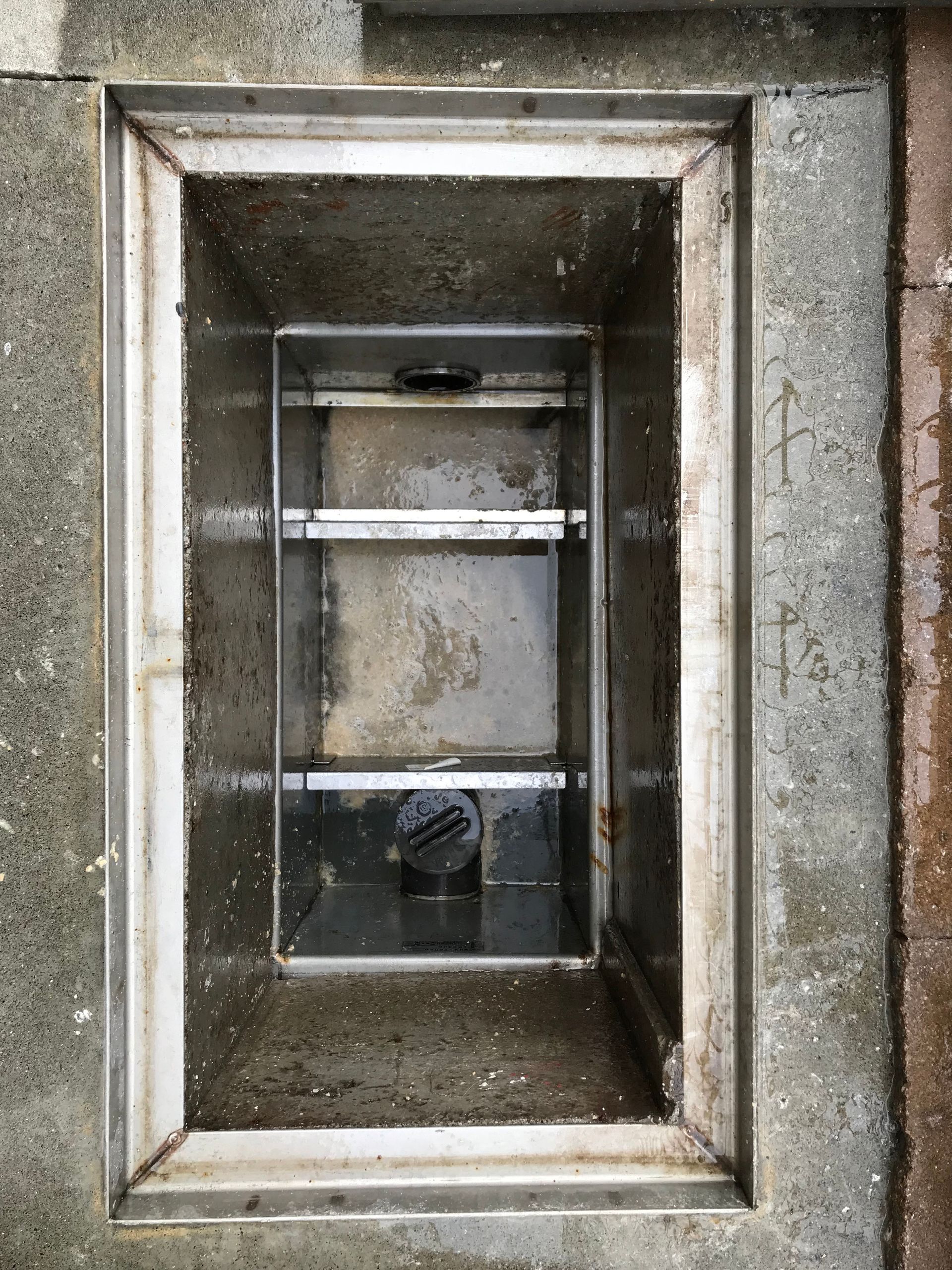
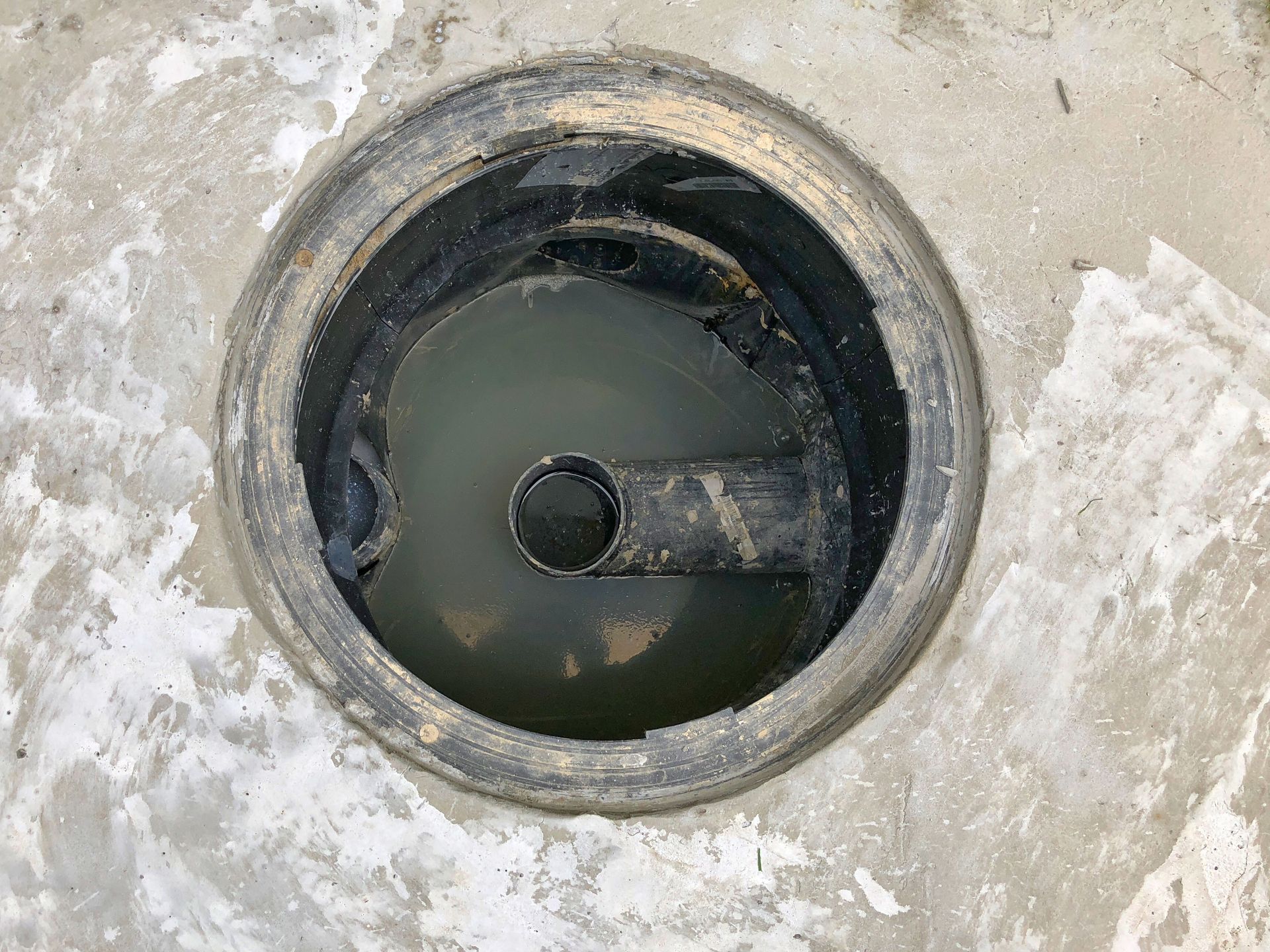
Commercial kitchens generate wastewater from dishwashing, food preparation, equipment cleaning, and other routine activities. Much of this wastewater can contain fats, oils, and grease that may create problems when they enter plumbing lines. Grease traps are designed to intercept these materials before wastewater continues into the drainage system. Inside the unit, wastewater is given an opportunity to cool so heavier food particles can settle while grease separates from the water. The relatively cleaner water can then continue through the plumbing while accumulated grease remains contained. This process provides an important layer of protection for the restaurant's drainage infrastructure. When the system is maintained correctly, it can help reduce the amount of grease reaching downstream pipes. For busy restaurants, this added protection can support more dependable kitchen plumbing throughout regular operating hours.
Reducing Drainage Problems
Grease buildup can gradually restrict the interior space available for wastewater to move through plumbing lines. As more material accumulates, drains may begin to empty slowly or produce recurring backups. Grease traps help address this issue by capturing much of the problematic material before it travels farther into the drainage system. Restaurant operators should still monitor sinks, floor drains, and other fixtures for signs of developing drainage problems. Slow drainage can indicate that maintenance is needed somewhere within the system rather than being something that should simply be ignored. Routine servicing helps remove accumulated grease before it becomes a larger obstruction. This preventive approach can reduce the disruption associated with unexpected plumbing problems during busy service periods. Keeping the system maintained allows kitchen employees to focus on food preparation and cleaning rather than dealing with avoidable drainage issues.
Managing Fats Oils and Grease
Fats, oils, and grease are common byproducts of commercial food preparation. Cooking oil, meat fats, sauces, and greasy food residue can all enter wastewater when dishes, cookware, and kitchen equipment are washed. Grease traps provide a designated location where these substances can be separated from wastewater before reaching the main sewer system. Restaurant employees can further support this process by avoiding the disposal of large amounts of cooking oil directly into sinks. Scraping food residue and excess grease into appropriate waste containers can also reduce the amount entering the plumbing system. These daily practices work alongside scheduled maintenance to support better grease management. A well-maintained system is more capable of handling the wastewater generated by routine kitchen activities. Consistent grease control can therefore contribute to a cleaner and more reliable commercial plumbing environment.
Supporting Kitchen Hygiene
Kitchen cleanliness extends beyond countertops, floors, appliances, and food preparation surfaces. Drainage systems also require attention because accumulated grease can contribute to unpleasant odors and unsanitary conditions. Regularly maintained grease traps can help keep grease-containing waste contained within the appropriate equipment. Removing accumulated material prevents excessive buildup from remaining in the system for extended periods. Restaurant personnel can also watch for unusual smells, drainage changes, or visible residue around drains. These warning signs can indicate that the plumbing or grease management system requires professional attention. Maintaining the equipment as part of a broader sanitation routine helps restaurants keep their kitchen environment more orderly. Good maintenance practices can support both operational cleanliness and the overall condition of the restaurant's plumbing infrastructure.
Meeting Maintenance Requirements
Restaurants may be subject to local rules governing the handling and maintenance of grease-related wastewater. Requirements can differ depending on the location, type of establishment, and applicable wastewater regulations. Grease traps should therefore be maintained according to the schedule and requirements that apply to the specific restaurant. Business owners can keep records of cleaning and servicing to help demonstrate that routine maintenance is being performed. These records can also make it easier to identify patterns in how quickly grease accumulates between service visits. If a restaurant consistently reaches capacity before its scheduled maintenance date, the existing schedule may need to be reconsidered. Working with knowledgeable professionals can help businesses better understand the maintenance needs of their particular system. Staying organized with maintenance can help restaurants avoid preventable compliance and operational concerns.
Preventing Unpleasant Kitchen Odors
Grease accumulation can contribute to strong odors when organic materials remain inside a trap for extended periods. As food particles and grease collect, the contents can become increasingly unpleasant if they are not removed on an appropriate schedule. Regular cleaning removes accumulated material before excessive buildup becomes a persistent source of odor. Restaurant staff should pay attention to unusual smells around sinks, drains, and grease management equipment. Odors that return shortly after cleaning may indicate that additional inspection or maintenance is necessary. Keeping the surrounding area clean is also important because spills and residue can contribute to unpleasant conditions. Proper servicing helps ensure that accumulated waste does not remain inside the system longer than necessary. A consistent maintenance routine can therefore contribute to a more comfortable working environment for kitchen employees.
Protecting Commercial Drainage Lines
A restaurant's drainage system represents an important part of its daily infrastructure. When grease enters those lines and accumulates over time, it can restrict flow and increase the possibility of blockages. Grease traps help intercept a significant portion of this material before it moves deeper into the plumbing system. However, the equipment itself must be serviced regularly because a full trap cannot continue capturing waste effectively. Restaurant owners should avoid assuming that the system will operate indefinitely without cleaning simply because it is installed correctly. Professional maintenance helps remove accumulated grease and food debris from the equipment. This can support the continued function of the trap and reduce the amount of grease moving into downstream drainage lines. Protecting the plumbing system in this way can help restaurants avoid disruptions that interfere with normal kitchen operations.
Maintaining Reliable Restaurant Operations
Plumbing problems can quickly become disruptive in a commercial kitchen where sinks, drains, dishwashers, and other fixtures are used throughout the day. A blocked drainage line may slow cleaning activities and create complications for employees working during busy shifts. Regular grease trap maintenance provides one way for restaurant owners to take a preventive approach to these potential problems. Professional grease traps servicing can remove accumulated waste before the equipment becomes overloaded. Restaurant operators can also establish maintenance schedules based on usage levels, system capacity, and applicable local requirements. Keeping up with routine service allows potential issues to be addressed before they develop into larger operational interruptions. Consistent maintenance can also help extend the useful performance of the grease management equipment. Brooks Grease Service can help restaurants maintain their grease management systems and keep essential kitchen operations moving efficiently.
Restaurant owners can contact Brooks Grease Service for dependable grease trap maintenance and professional support tailored to the demands of commercial kitchens.