October 1, 2026
Commercial kitchens, food processing facilities, and busy dining establishments rely heavily on complex plumbing infrastructure to manage daily operations smoothly and efficiently. Among the critical plumbing components installed within these commercial facilities, interceptors designed to isolate fats, oils, and grease play a vital role in protecting internal drainage lines and local municipal sewer networks. Every time kitchen staff rinse cooking pans, wash dishware, or sanitize food prep surfaces, liquid fats enter the drainage system. Without effective interceptors, these hot waste liquids quickly cool, solidify, and cling to pipe walls, leading to stubborn blockages, foul odors, and severe structural damage.
Maintaining clean, fully operational waste interceptors is not merely a recommended kitchen practice; it represents a fundamental operational necessity for commercial food businesses. Neglecting regular maintenance leads to rapid organic waste accumulation, resulting in clogged lines, health department citations, and costly emergency plumbing repairs. According to the U.S. Environmental Protection Agency, fats, oils, and grease are one of the leading causes of sewer overflows in commercial districts, making routine grease trap maintenance essential for preventing backups. Establishing a proactive cleaning schedule protects commercial properties from sudden disruptions, preserves public health, and ensures long-term operational success.
Preventing Severe Municipal Sewer Overflows
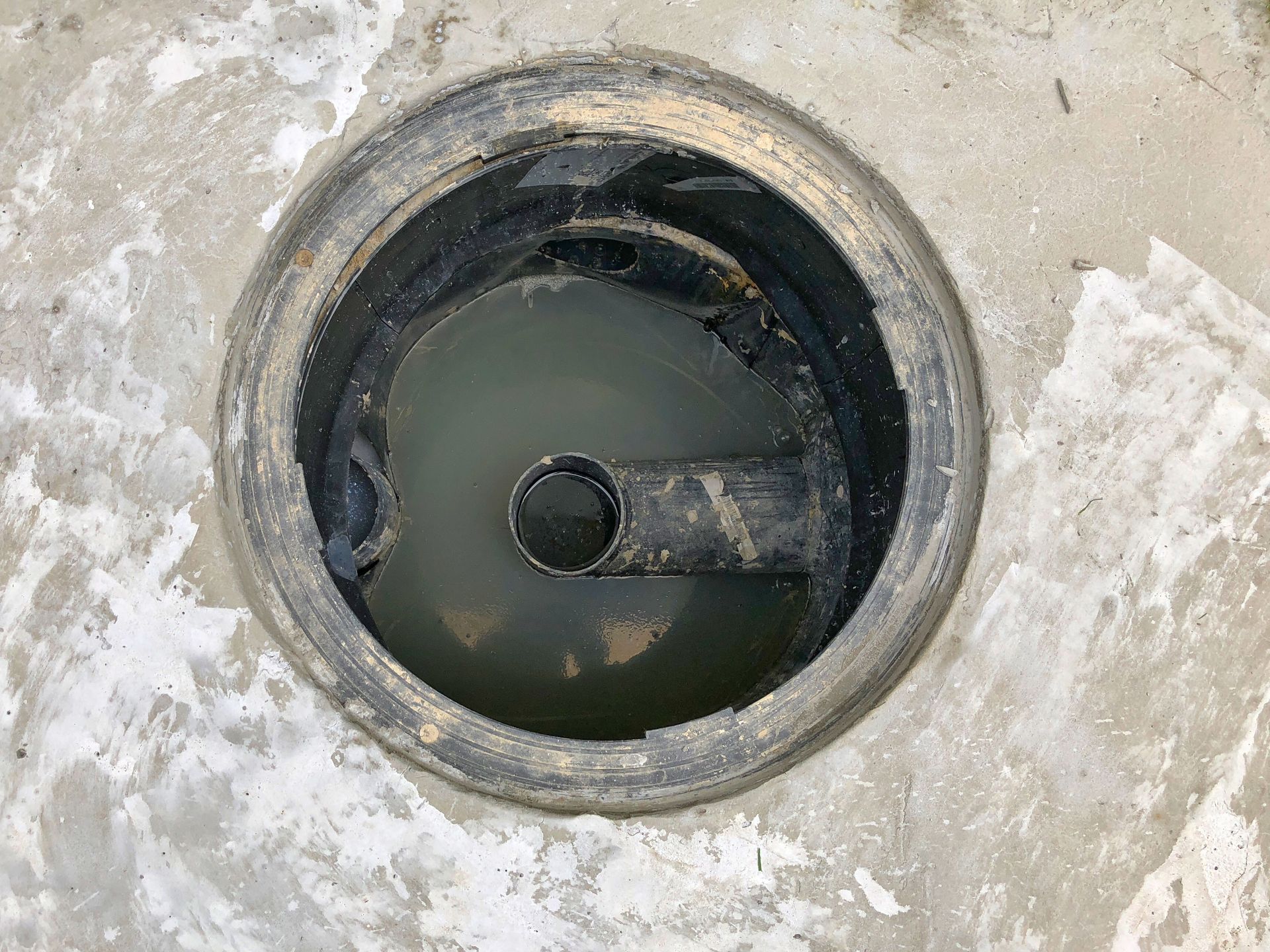
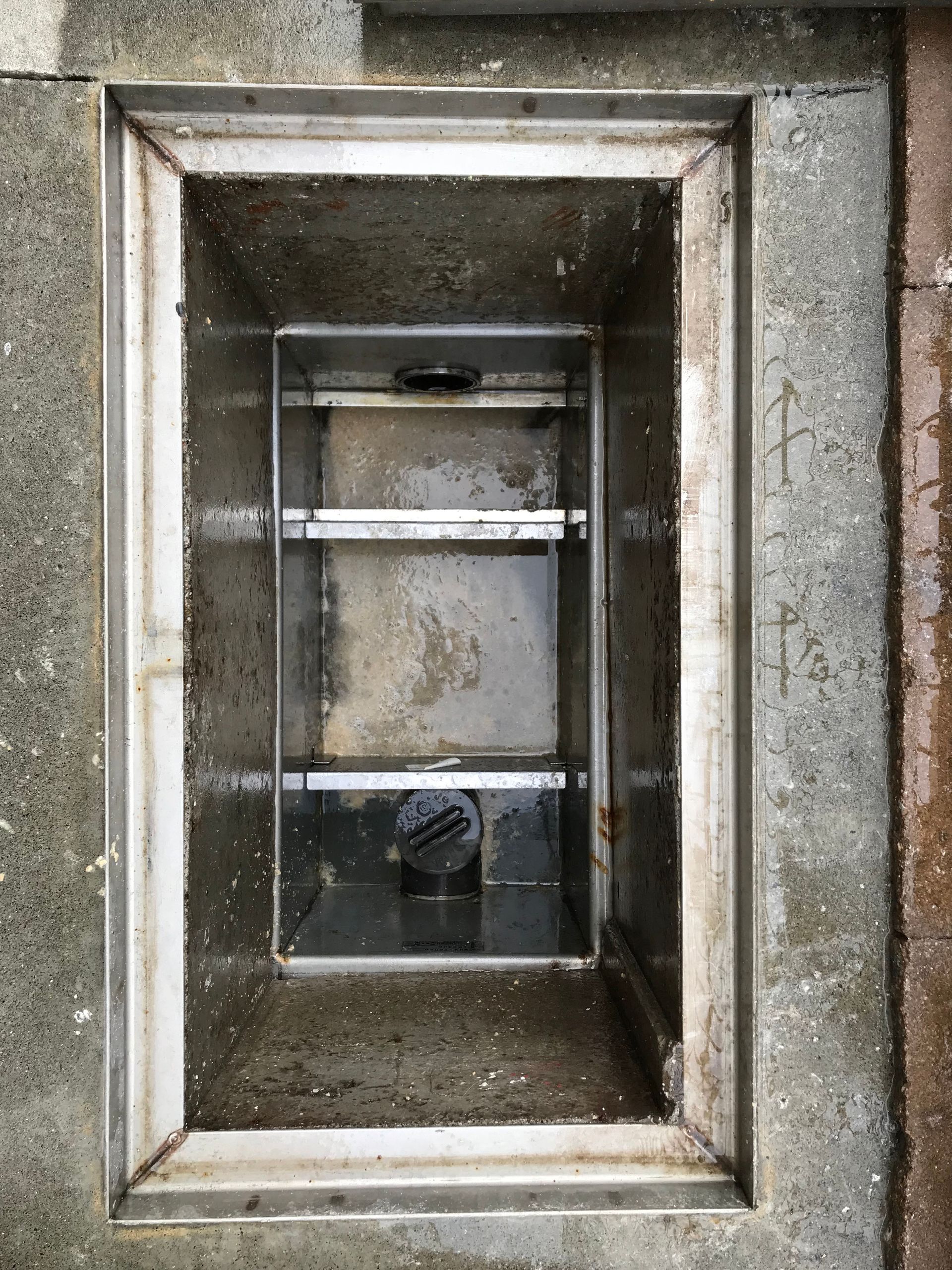
Operating a commercial kitchen comes with significant environmental and civic responsibilities, particularly regarding wastewater management. When hot fats, oils, and grease enter drainage pipes, they mix with cold water and float to the surface inside interceptor tanks. However, when these interception devices become overfilled past their holding capacity, excess grease escapes past the baffle walls and enters municipal sewer mainlines.
As wastewater travels through public sewer pipes, cooling grease adheres to interior pipe walls, gradually reducing pipe diameter until water flow stops completely. These severe blockages cause raw sewage and untreated wastewater to back up into city streets, nearby businesses, and natural waterways. Regularly servicing commercial grease traps intercepts harmful organic waste at the source, shielding municipal sewer networks from catastrophic overflows and protecting local communities from hazardous environmental contamination.
Eliminating Foul Kitchen Odors and Pests
Accumulated food particles, organic fats, and cooking oils trapped inside unserviced interceptor tanks undergo rapid anaerobic decomposition over time. This natural decomposition process releases noxious gases, including hydrogen sulfide and methane, which produce overwhelming, rotten-egg odors. These foul smells easily escape through sink drains, permeating food preparation areas, customer dining rooms, and outdoor service alleys.
Beyond unpleasant odors, stagnating organic waste inside full interceptor tanks creates ideal breeding grounds for disease-carrying pests, including drain flies, cockroaches, and rodents. Pest attraction threatens kitchen hygiene and risks severe health inspection violations that can temporarily close a business. Scheduling routine service for grease traps removes stagnating organic solids completely, eliminating foul kitchen odors at their root while maintaining a clean, pest-free environment for kitchen staff and dining guests.
Protecting Internal Drainage Pipe Integrity
The financial impact of neglecting commercial interceptor devices extends far beyond public sewer mainlines, directly affecting internal building plumbing. As organic waste solidifies inside internal drainage lines, it forms dense, hardened scale deposits that restrict water flow. Increased hydraulic pressure behind these blockages stresses pipe joints, flexible couplings, and fixture seals, increasing the risk of sudden line ruptures within building walls or subfloors.
Furthermore, decaying fats create acidic chemical compounds that corrode metallic pipe materials, leading to premature pipe degradation, structural leaks, and costly building repairs. Chemical drain cleaners offer ineffective, short-term relief while worsening pipe corrosion. Servicing commercial grease traps on a consistent schedule prevents internal pipe scaling, maintains smooth wastewater drainage, and preserves the long-term structural integrity of your facility's internal plumbing network.
Ensuring Compliance With Local Environmental Codes
Municipal health departments, environmental protection agencies, and municipal water authorities enforce strict regulations regarding commercial wastewater management. Regulatory agencies mandate routine pumping schedules, strict grease layer thickness limits, and detailed waste disposal manifests to ensure commercial kitchens operate responsibly. Failing to adhere to local code standards results in steep financial penalties, mandatory operational suspensions, and potential loss of business licenses.
Professional waste management providers supply official service documentation, proving compliant disposal of collected grease waste at certified recycling facilities. Maintaining complete service records simplifies official health inspections and demonstrates civic responsibility. Scheduling timely maintenance for grease traps ensures complete compliance with municipal regulations, protecting business owners from unexpected fines, legal liabilities, and embarrassing public health closures.
Lowering Emergency Commercial Repair Expenses
Unscheduled plumbing emergencies represent a major financial drain for commercial kitchen operators, causing lost revenue, ruined inventory, and expensive emergency service fees. A sudden drainage backup during peak dining hours forces immediate kitchen shutdowns, disappointing loyal customers and damaging business reputations.
Emergency pipe jetting, line snaking, and water damage restoration far exceed the predictable costs of routine preventative maintenance.
Establishing a scheduled maintenance plan allows facility managers to budget accurately for utility care without fearing sudden operational disruptions. Professional technicians clean interceptor compartments thoroughly, inspect internal baffles for structural wear, and verify proper flow dynamics before minor issues escalate into major emergencies. Investing in regular maintenance for grease traps keeps operational budget lines predictable, minimizes emergency service calls, and safeguards daily kitchen profitability.
Supporting Sustainable Environmental Recycling Initiatives
Modern waste management extends far beyond simple disposal; it plays a critical role in supporting circular, sustainable green energy economies. Collected yellow grease, trapped food solids, and heavy organic sludge retrieved from commercial interceptor devices are transported to specialized processing facilities rather than landfills or municipal wastewater plants.
Advanced processing plants refine recovered fats, oils, and grease into valuable renewable resources, including clean-burning biodiesel fuels, industrial lubricants, and organic soil amendments. Biodiesel production significantly reduces carbon emissions compared to traditional fossil fuels, transforming kitchen waste into sustainable energy. Utilizing professional pumping services for grease traps ensures that captured organic waste is responsibly recycled, reducing your commercial carbon footprint and supporting environmentally friendly community initiatives.
Elevating Commercial Kitchen Operational Standards
Maintaining a clean, compliant, and efficient commercial kitchen requires meticulous attention to hidden plumbing infrastructure. By preventing municipal sewer overflows, eliminating foul decomposition odors, protecting internal drainage pipes, meeting local code mandates, and supporting green recycling efforts, regular interceptor maintenance yields immense operational dividends. Taking a proactive approach to facility management safeguards your business reputation, protects your financial bottom line, and ensures smooth, uninterrupted kitchen performance day after day.
At Brooks Grease Service, we are deeply committed to protecting your commercial facility, ensuring regulatory compliance, and delivering exceptional waste management solutions through top-tier trade expertise and reliable service. Our team of experienced technicians brings deep industry knowledge, advanced vacuum pumping technology, and meticulous attention to detail to every commercial project we execute across our community. We take immense pride in evaluating your unique kitchen infrastructure, establishing customized maintenance schedules, and performing thorough interceptor cleanings that withstand heavy daily operational demands. Furthermore, our specialists prioritize clear communication, providing detailed disposal documentation and transparent service reports every step of the way. We carefully execute environmentally responsible recycling methods, transforming collected organic waste into clean renewable energy while keeping your drainage systems completely clear. By tailoring every service visit to match your operational schedule and budget parameters, our crew ensures a seamless, stress-free experience that delivers complete peace of mind. Contact us today to schedule your commercial facility evaluation and discover how our dedicated team can keep your kitchen running smoothly, cleanly, and efficiently.