September 2, 2026
Managing grease and other waste materials is an important part of maintaining efficient, sanitary, and environmentally responsible commercial and industrial operations. Traditional grease management methods can require frequent manual attention, creating additional labor demands and increasing the possibility of spills, overflows, and missed maintenance schedules. Automated grease tanks offer an alternative by using technology to streamline collection, monitoring, and maintenance.
For businesses that handle substantial amounts of fats, oils, and grease, automated systems can provide practical advantages beyond simple convenience. They can help reduce labor requirements, improve waste-handling consistency, and provide operators with better information about when service is needed. Understanding these benefits can help businesses determine whether automated grease tanks are an appropriate investment for their operations.
Why Are Automated Grease Tanks Important for Industrial Settings?
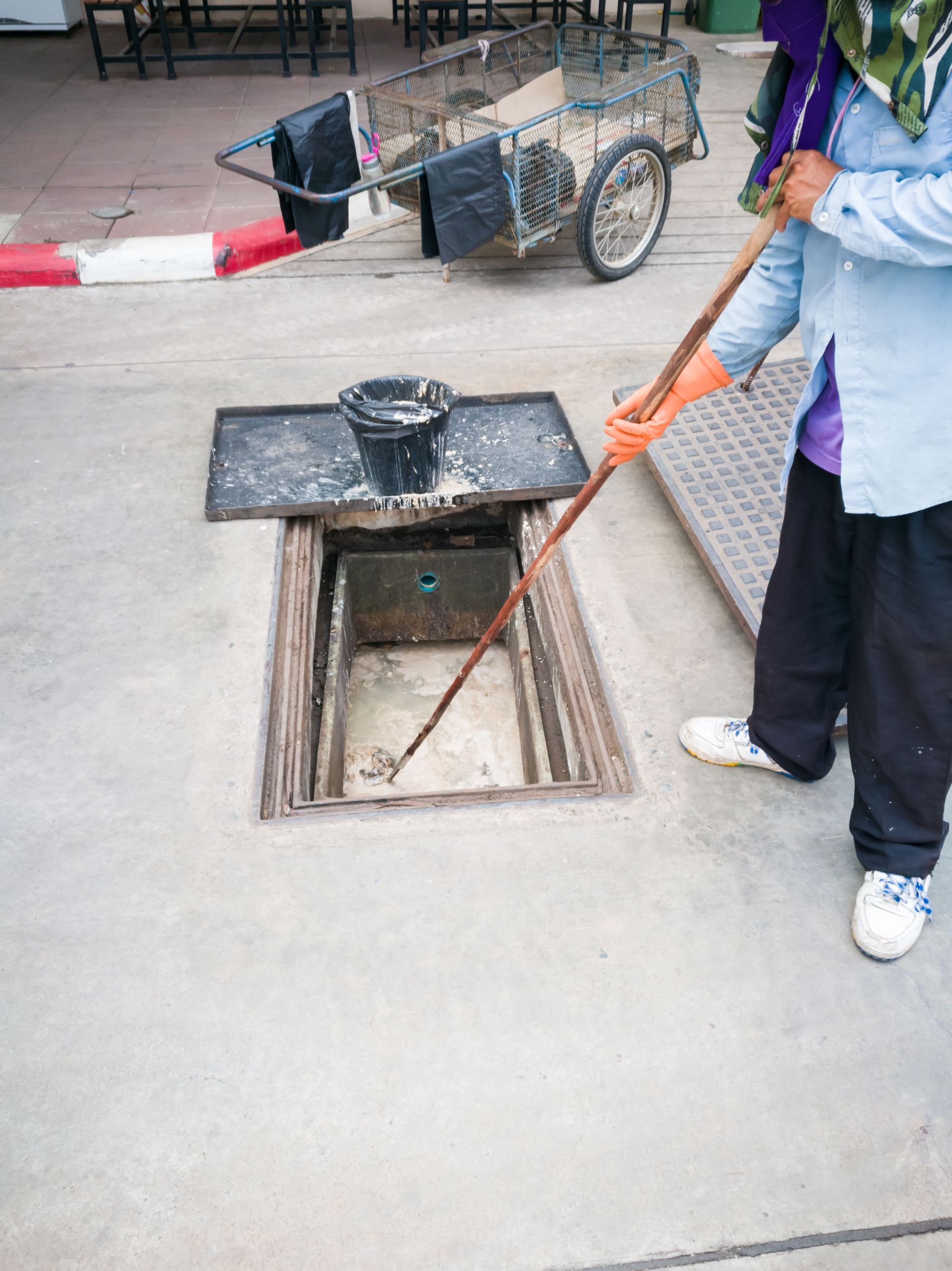
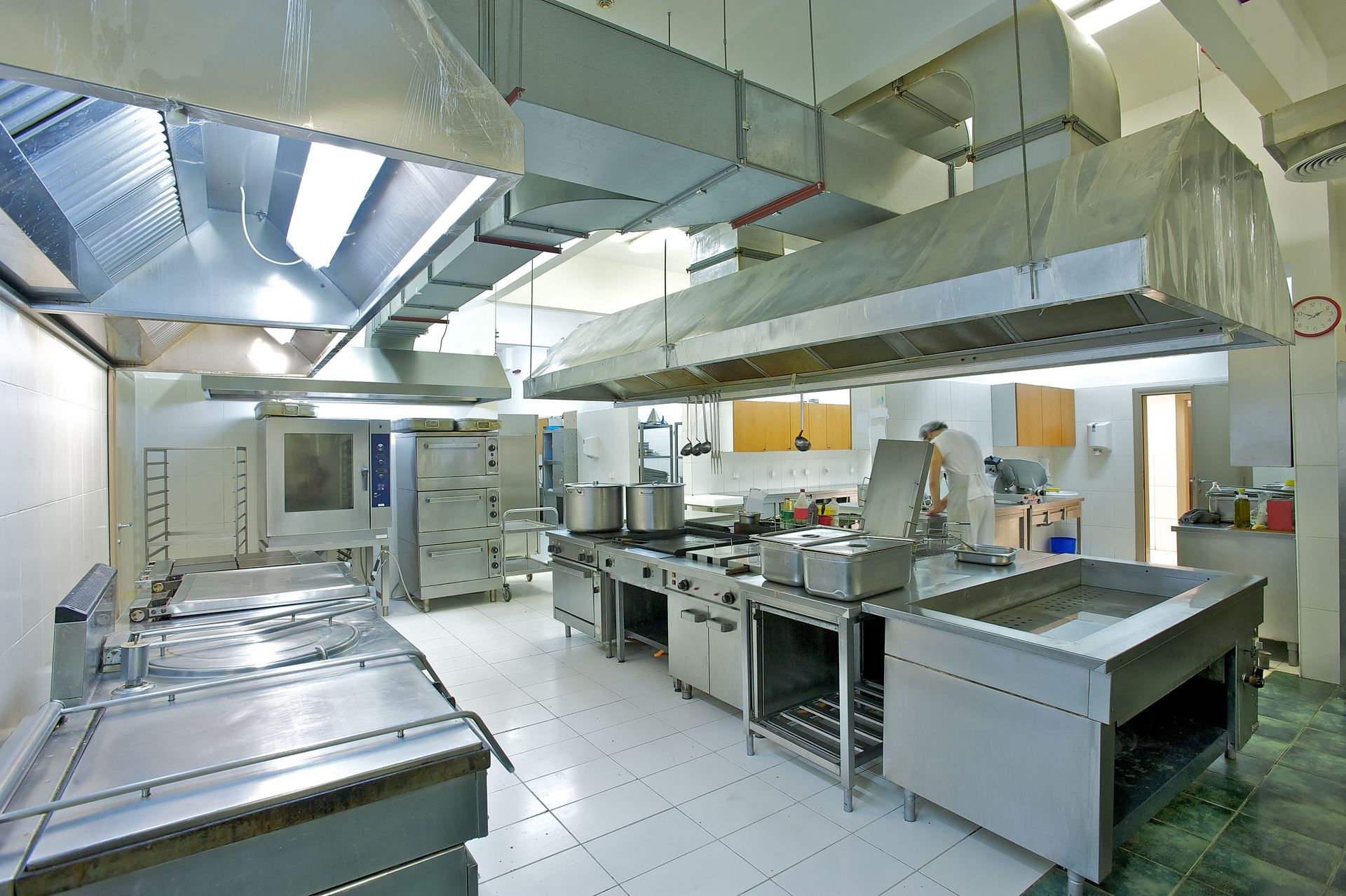
Grease management can become particularly challenging in commercial kitchens, food-processing facilities, restaurants, and other operations that generate significant amounts of grease. When waste accumulates faster than a business can manage it, conventional collection systems can become a source of operational problems.
According to North Bay Restaurant Services, restaurant grease traps commonly hold between 10 and 100 gallons and can fill rapidly, often requiring cleaning weekly or bi-weekly depending on usage. This frequent maintenance can consume employee time and interrupt normal operations.
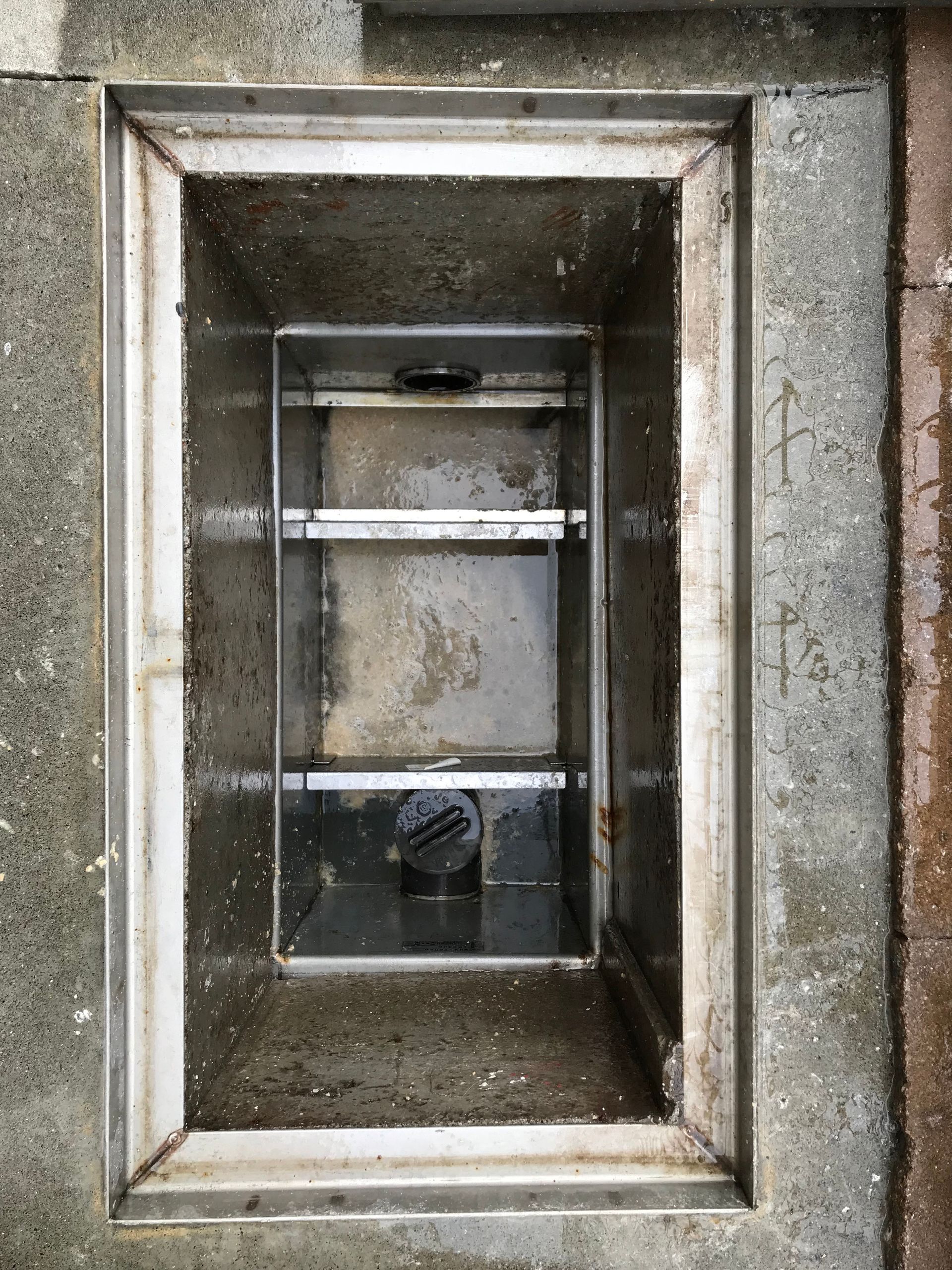
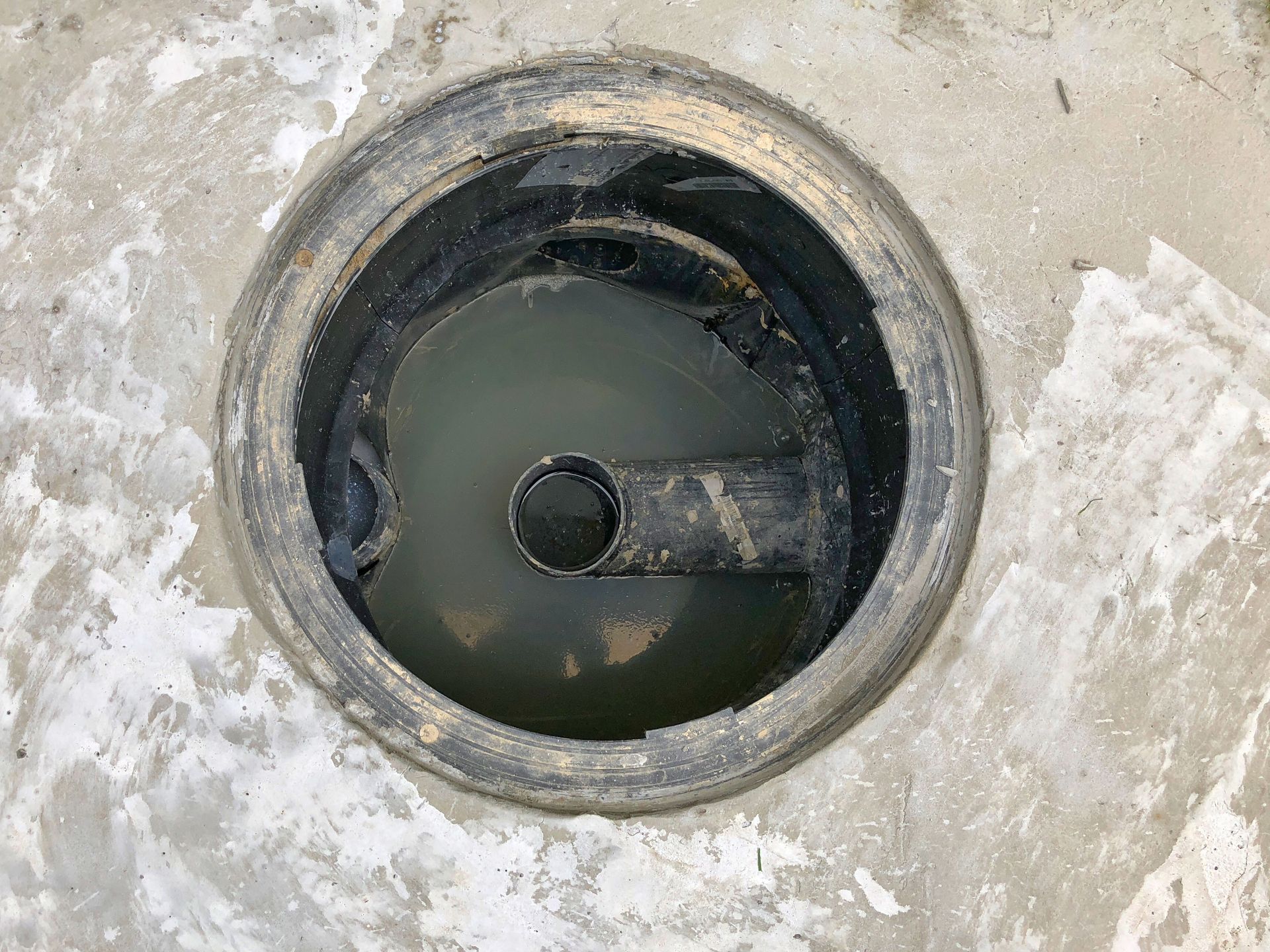
Automated grease tanks can reduce some of this burden by incorporating features designed to make grease collection and monitoring more consistent. Depending on the system, automated equipment may pump or transfer grease into a dedicated tank while monitoring its fill level. This can make it easier for operators to identify when the tank requires service rather than relying entirely on visual inspections or predetermined schedules.
The benefits can extend beyond restaurants. Industrial facilities may generate grease as part of food production, equipment maintenance, or other processes. A centralized automated system can help these businesses manage waste in a more organized manner while reducing unnecessary employee involvement.
What Cost Savings Can Be Expected From Implementing Automated Grease Tanks?
One of the most appealing reasons to consider automated grease tanks is their potential to reduce operating costs. Although purchasing and installing an automated system requires an initial investment, the long-term savings may offset some of that expense.
Labor is one area where savings may be possible. Traditional grease management can require employees to inspect collection equipment, coordinate pumping, perform certain maintenance tasks, or respond to overflowing containers. Automating portions of these responsibilities can allow employees to spend more time on productive tasks directly related to business operations.
Automated grease tanks may also help businesses reduce unnecessary service calls. If a system provides information about grease levels or collection needs, operators may have a clearer understanding of when pumping or servicing is actually necessary. This can reduce the likelihood of paying for service prematurely while also helping prevent emergencies.
Preventing spills and overflows can provide another source of savings. An overflow can result in cleanup costs, equipment downtime, unpleasant working conditions, and potential damage to surrounding areas. A system designed to provide more consistent capacity monitoring can help businesses respond before a tank reaches an unacceptable level.
The exact savings will vary according to the size of the operation, grease production, labor costs, service frequency, and equipment specifications. Businesses should therefore evaluate the expected return on investment rather than assuming automation will automatically produce a specific level of savings.
How Do Automated Grease Tanks Improve Environmental Compliance?
Grease and oil require responsible handling because improper disposal can create environmental and sanitation problems. Businesses may also be subject to local regulations governing grease collection, wastewater management, disposal, and recordkeeping.
Automated grease tanks can support compliance by making waste collection more controlled and predictable. Rather than allowing grease to accumulate in poorly managed containers or relying entirely on manual procedures, businesses can use dedicated equipment designed specifically for collection and storage.
Consistent monitoring can also help reduce the risk of accidental releases. If operators can identify rising grease levels before an overflow occurs, they have more opportunity to arrange service and prevent waste from entering areas where it does not belong.
Depending on the system, automation may also make it easier to maintain records associated with grease collection and servicing. Documentation can be valuable when businesses need to demonstrate that waste is being handled according to applicable requirements.
However, automated equipment does not replace the need to understand local regulations. Businesses should determine which requirements apply to their facility and select equipment that supports those obligations. Proper installation, routine inspections, and appropriate servicing remain important even when an automated system is being used.
What Are the Maintenance Benefits of Using Automated Grease Tanks?
Maintenance is another area where automation can provide meaningful advantages. Traditional grease collection systems often depend heavily on employees recognizing when equipment needs attention. That approach can work, but it leaves room for human error, particularly in busy facilities.
Automated grease tanks can provide more consistent monitoring and may alert operators when attention is required. Instead of checking a tank simply because a certain amount of time has passed, employees may be able to respond based on actual conditions.
This can help businesses develop a more proactive maintenance routine. Addressing a tank before it becomes full can be easier than dealing with an overflow or an unexpected shutdown. Preventive maintenance can also help equipment remain operational for longer by identifying potential problems before they become more serious.
Automation can reduce the amount of direct handling required during normal operations as well. Employees may have less need to interact with accumulated grease, which can contribute to cleaner working conditions and reduce exposure to unpleasant materials.
It is important to remember that automated grease tanks are not maintenance-free. Pumps, sensors, controls, tanks, and other components still require inspection and servicing. Following the manufacturer's maintenance recommendations is essential for keeping the system operating reliably.
How To Choose the Right Automated Grease Tank for Your Business?
Selecting among automated grease tanks requires consideration of how much grease a business produces, how frequently waste needs to be collected, and how much available space exists for equipment. Choosing a system based solely on its advertised capacity may result in an installation that does not adequately meet the facility's actual requirements.
Start by estimating the volume of grease generated during normal operations. Restaurants with high customer volume, food manufacturers, and other large-scale facilities may need substantially greater capacity than smaller businesses. Understanding typical production can help determine an appropriate tank size and collection configuration.
The available installation area is another important consideration. Businesses should account for the physical dimensions of the tank as well as the space required for installation, inspection, servicing, and eventual pumping or removal.
Operators should also evaluate the system's automation features. Depending on the equipment, available features may include fill-level monitoring, alarms, remote notifications, automated pumping, or other controls. Businesses should focus on features that address their actual operational needs rather than paying for technology they are unlikely to use.
Durability and serviceability should also factor into the decision. Automated grease tanks operate in demanding environments, so equipment should be appropriate for the expected conditions. Replacement parts, technical support, installation requirements, and ongoing service availability can all affect the long-term value of the investment.
Finally, businesses should compare the total cost of ownership. Purchase price is only one part of the equation. Installation, electricity, maintenance, pumping, repairs, and expected service life should all be considered when comparing automated systems.
Automated grease tanks can provide businesses with a more efficient approach to managing grease and related waste. By reducing manual responsibilities, improving monitoring, and helping operators respond to actual tank conditions, these systems can contribute to more consistent day-to-day operations.
The potential benefits extend to labor savings, reduced emergency service needs, environmental responsibility, and easier maintenance. Automated grease tanks can also provide businesses with greater control over a task that might otherwise require frequent manual attention.
Choosing the right system requires careful consideration of grease production, capacity, available space, automation features, maintenance requirements, and long-term costs. When appropriately matched to a facility's needs,
automated grease tanks can become a valuable part of a modern waste-management strategy. If you're looking for automated grease traps, reach out to the team at Brooks Grease Service today!