September 1, 2026
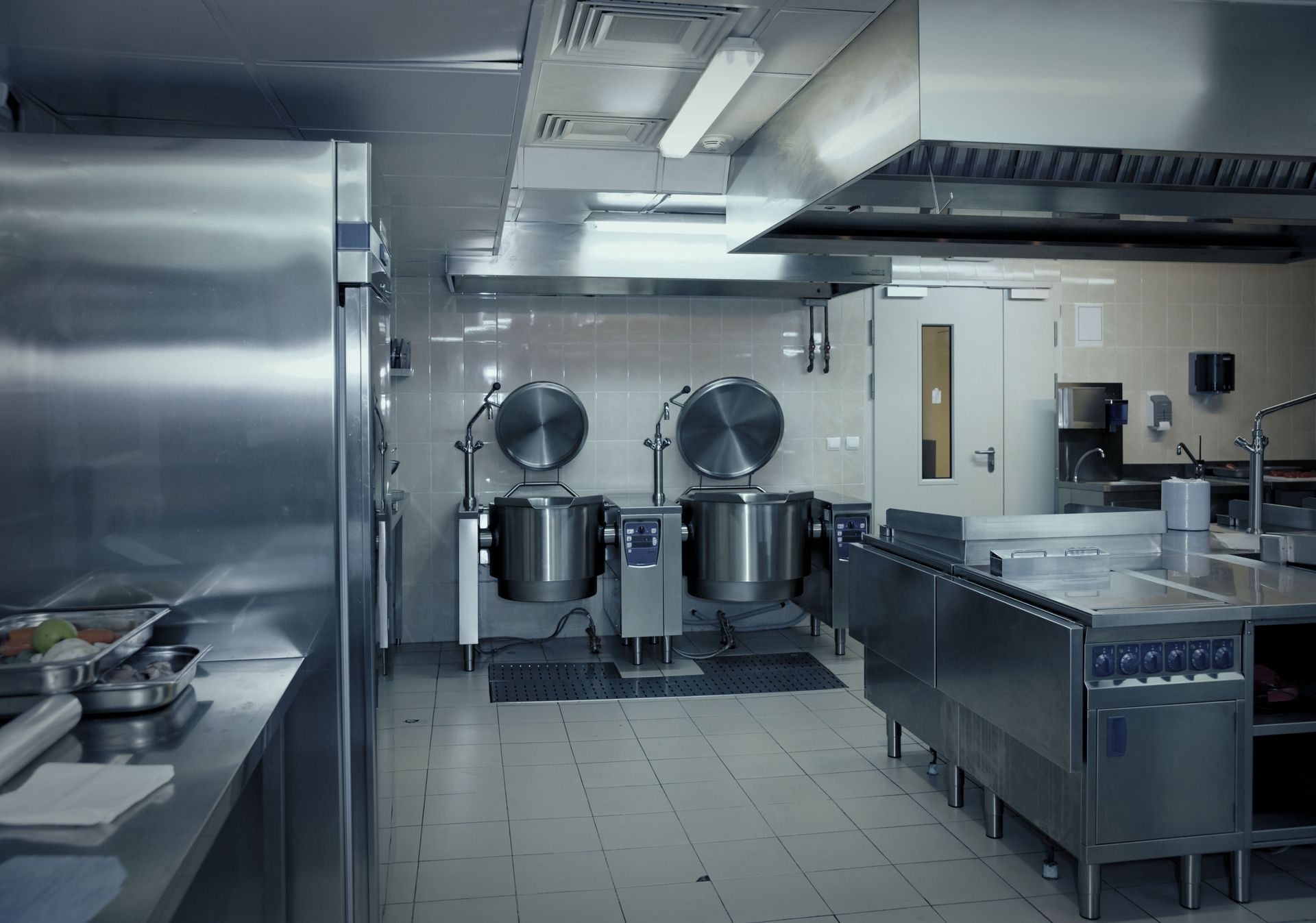
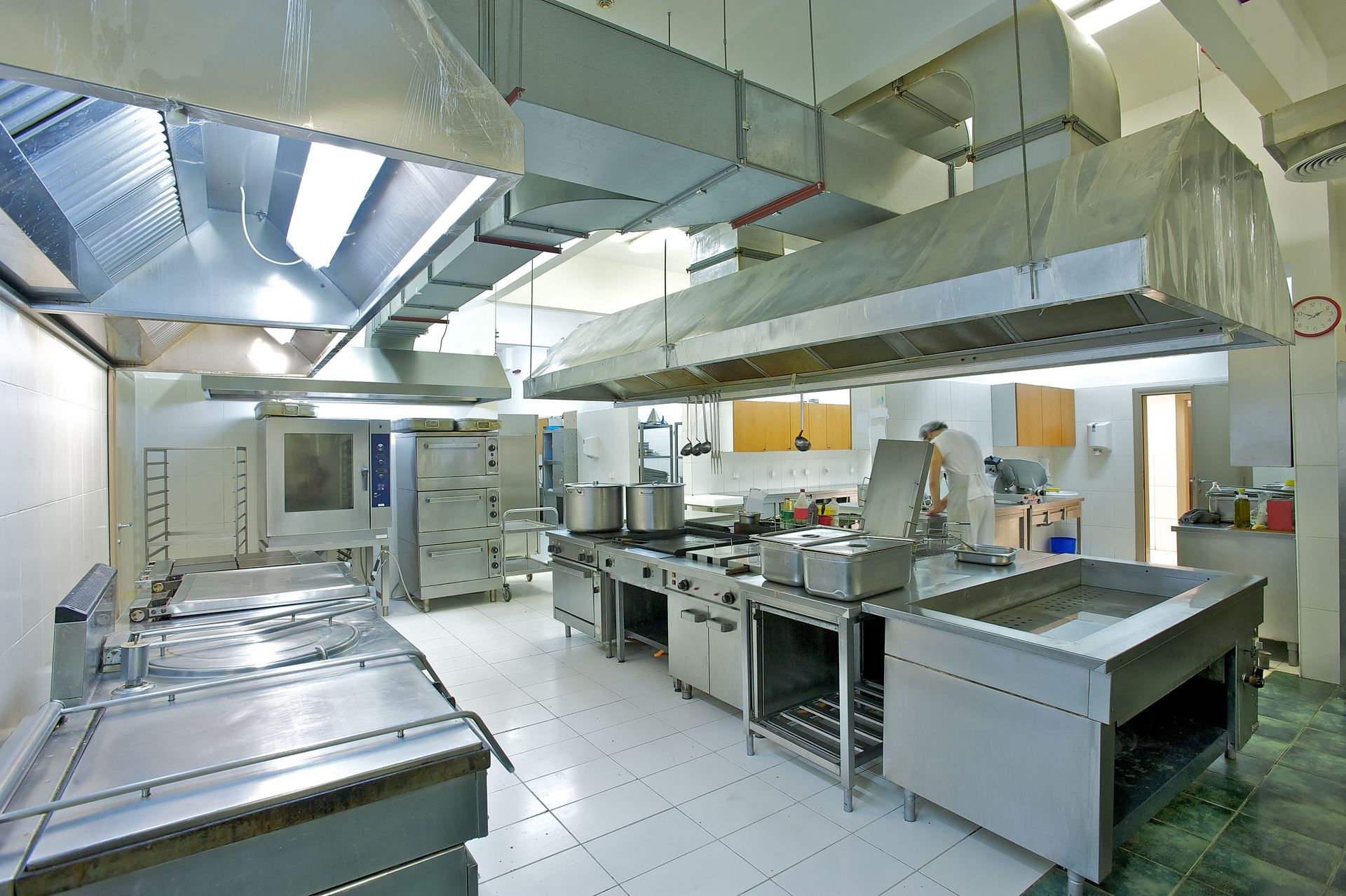
Operating a modern commercial kitchen requires a meticulous approach to waste management and asset protection. Food service establishments face constant pressure to maintain efficiency, uphold sanitation standards, and protect expensive infrastructure from premature degradation. Among the various waste products generated during daily operations, discarded cooking oil presents a unique challenge that demands a structured and professional management strategy. Without a dedicated system for removal and processing, this viscous byproduct can wreak havoc on plumbing networks and high-value culinary equipment. Implementing a scheduled collection routine ensures that kitchen operations remain uninterrupted while simultaneously safeguarding the heavy-duty appliances that form the backbone of any culinary enterprise. By proactively managing this inevitable waste stream, facility managers can prevent disastrous operational failures and avoid exorbitant repair costs. A consistent and professional approach to waste removal transcends basic cleanliness; it is a critical component of strategic facility management that directly impacts long-term profitability and operational stability. Establishing a reliable partnership for waste removal allows culinary teams to focus entirely on food preparation and customer satisfaction rather than worrying about the hidden dangers lurking in their drainage systems.
Understanding the Recycling Process
Establishing a structured approach to waste management begins with a comprehensive understanding of how used materials are processed and repurposed. When professional technicians arrive to collect the spent cooking oil, they initiate a sophisticated sequence of events that transforms a problematic waste product into a valuable resource. The collection phase involves transferring the used material from storage receptacles into specialized transportation vehicles designed to prevent leaks and spills. Once transported to a dedicated processing facility, the material undergoes rigorous filtration and purification procedures to remove food particles, moisture, and other impurities. This meticulous purification sequence is essential for preparing the material for its next life cycle. Following purification, the refined substance serves as a foundational ingredient for producing renewable energy alternatives, industrial lubricants, and other sustainable commercial products. Participating in this transformative cycle allows food service establishments to contribute meaningfully to regional sustainability initiatives while simultaneously solving a critical internal waste management challenge. The predictability of a scheduled collection service eliminates the guesswork from waste management, ensuring that storage receptacles never exceed their capacity and create hazardous conditions within the kitchen environment. Facility operators can establish a customized collection frequency that perfectly aligns with their specific operational volume, guaranteeing seamless integration with daily culinary activities. This streamlined process removes the burden of waste management from internal staff, allowing them to dedicate their full attention to core hospitality responsibilities.
Preserving Your Essential Equipment
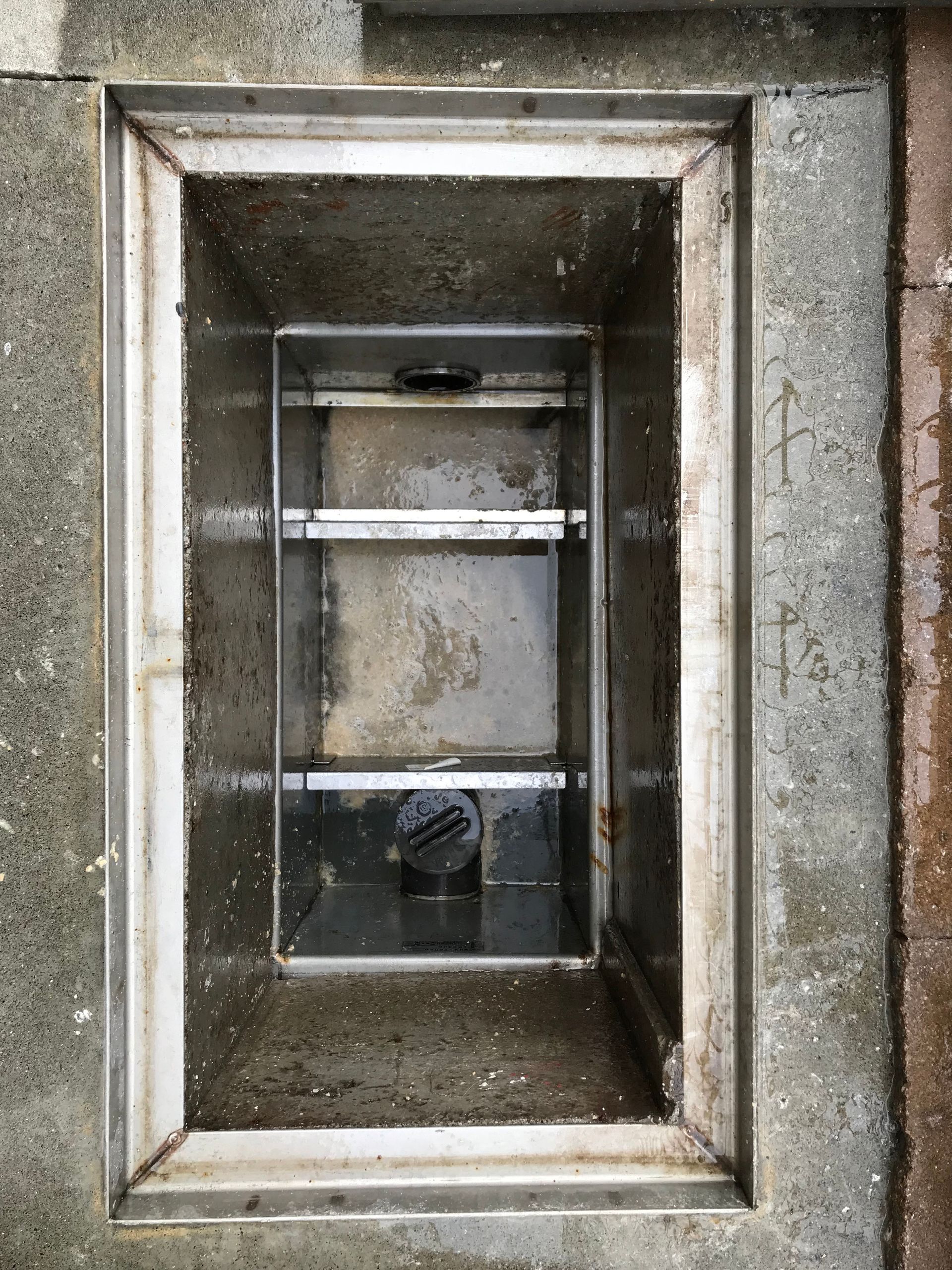
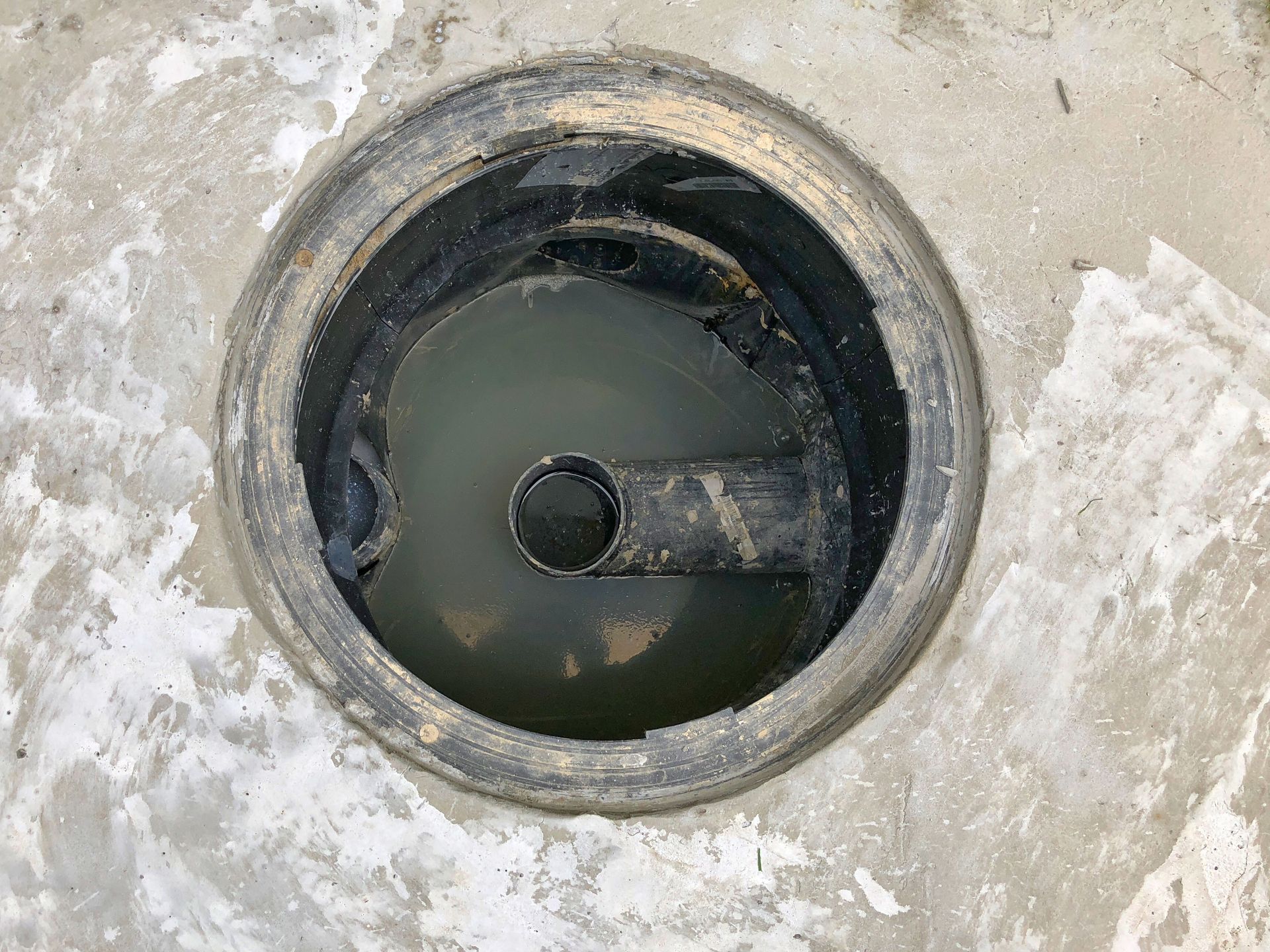
The primary advantage of implementing a scheduled collection program lies in the profound protection it affords to vital culinary infrastructure. Kitchen appliances represent a massive capital investment, and their continued functionality is imperative for sustained operational success. When discarded cooking oil is improperly managed or allowed to accumulate, it poses a severe threat to plumbing networks, drainage systems, and specialized grease management devices. Over time, this substance coagulates and solidifies, forming impenetrable blockages that can cause extensive damage to internal piping and lead to catastrophic plumbing failures. Regular removal prevents this dangerous accumulation, ensuring that liquids flow freely through the designated channels and reducing the strain on the entire plumbing architecture. Proper maintenance of the specialized retention systems is equally critical for protecting these assets. According to Today's Homeowner, grease traps should generally be cleaned at least once every three months. Adhering to this crucial maintenance guidance, combined with frequent removal of surface-level waste, extends the operational lifespan of all connected plumbing fixtures. Furthermore, preventing localized spills and overflow events protects surrounding flooring materials, baseboards, and the exterior casings of nearby culinary appliances from corrosive degradation. Maintaining a clean and functioning drainage ecosystem drastically reduces the frequency of emergency plumbing calls and minimizes the likelihood of unexpected operational downtime. Facility managers who prioritize this consistent maintenance strategy ultimately maximize the return on their equipment investments and maintain a highly functional workspace.
Maintaining a Hygienic Environment
A pristine working environment is the foundational requirement for any successful food service operation, and strategic waste management plays a pivotal role in achieving this standard. Stagnant pools of discarded material emit foul odors that can permeate the entire establishment, creating an unpleasant atmosphere for both employees and patrons. Furthermore, accumulated organic waste acts as a powerful attractant for various pests and rodents, compromising the sanitary integrity of the food preparation areas and risking severe health code violations. Implementing a scheduled collection routine for your cooking oil completely eliminates these hazardous conditions by removing the attractant before it can degrade and cause sanitary complications. Professional collection services utilize sealed systems and sanitized equipment to ensure that the removal process itself does not introduce new contaminants into the culinary workspace. A consistently empty and properly maintained storage receptacle prevents dangerous overflow events that create slippery, hazardous flooring conditions for culinary staff. By prioritizing a hygienic workspace through proactive waste removal, establishment owners demonstrate a profound commitment to employee safety and patron well-being. This dedication to cleanliness also simplifies daily sanitation routines for the kitchen staff, as they no longer have to contend with stubborn, coagulated spills near the waste storage area. Ultimately, maintaining impeccable hygiene through structured waste management protects the establishment's reputation, ensures compliance with stringent health regulations, and cultivates a professional atmosphere that encourages culinary excellence and staff retention.
Fostering Environmental Sustainability
Modern consumers increasingly expect food service establishments to demonstrate a genuine commitment to ecological responsibility and sustainable operational practices. Improper disposal of culinary waste, particularly pouring viscous liquids down the drain or discarding them in standard refuse containers, causes devastating harm to local water treatment facilities and regional ecosystems. When these substances enter the municipal water supply, they create massive infrastructural blockages and require intensive chemical treatments to remediate. By embracing a scheduled collection program for your cooking oil, your establishment actively prevents this environmental degradation and supports the transition toward a circular economy. The cooking oil collected from your facility is meticulously repurposed into renewable biofuels, which burn significantly cleaner than traditional fossil fuels and substantially reduce greenhouse gas emissions. This conversion process represents a powerful triumph of sustainable engineering, turning a localized waste problem into a global ecological solution. Establishments that participate in these progressive recycling initiatives can proudly communicate their environmental stewardship to an increasingly eco-conscious customer base, enhancing brand loyalty and community standing. Furthermore, supporting the renewable energy sector through waste contribution stimulates local economic growth and encourages the development of green technologies. Integrating sustainable waste management into your standard operating procedures proves that commercial success and ecological responsibility are not mutually exclusive, but rather complementary aspects of a forward-thinking business strategy.
Safeguarding your valuable culinary infrastructure requires foresight, consistency, and a dedication to proper facility management. The hidden dangers associated with unmanaged waste streams can quickly compromise the efficiency, safety, and financial stability of any food service operation. By transitioning to a predictable and professional removal strategy, facility managers can eliminate the stress of overflow emergencies, extend the lifespan of their plumbing architecture, and uphold the highest standards of workplace hygiene. This proactive approach to waste management not only protects your physical assets but also demonstrates a commendable commitment to environmental sustainability and community well-being. As the demands on commercial kitchens continue to evolve, establishing reliable operational partnerships becomes increasingly vital for sustained success and uninterrupted service delivery. Implementing a specialized collection schedule ensures that your culinary team can remain focused on their primary objectives without distraction. Take the necessary steps to protect your investments and streamline your daily operations. Call Brooks Grease Service today to learn more about implementing a customized schedule for your cooking oil removal needs.