December 29, 2025
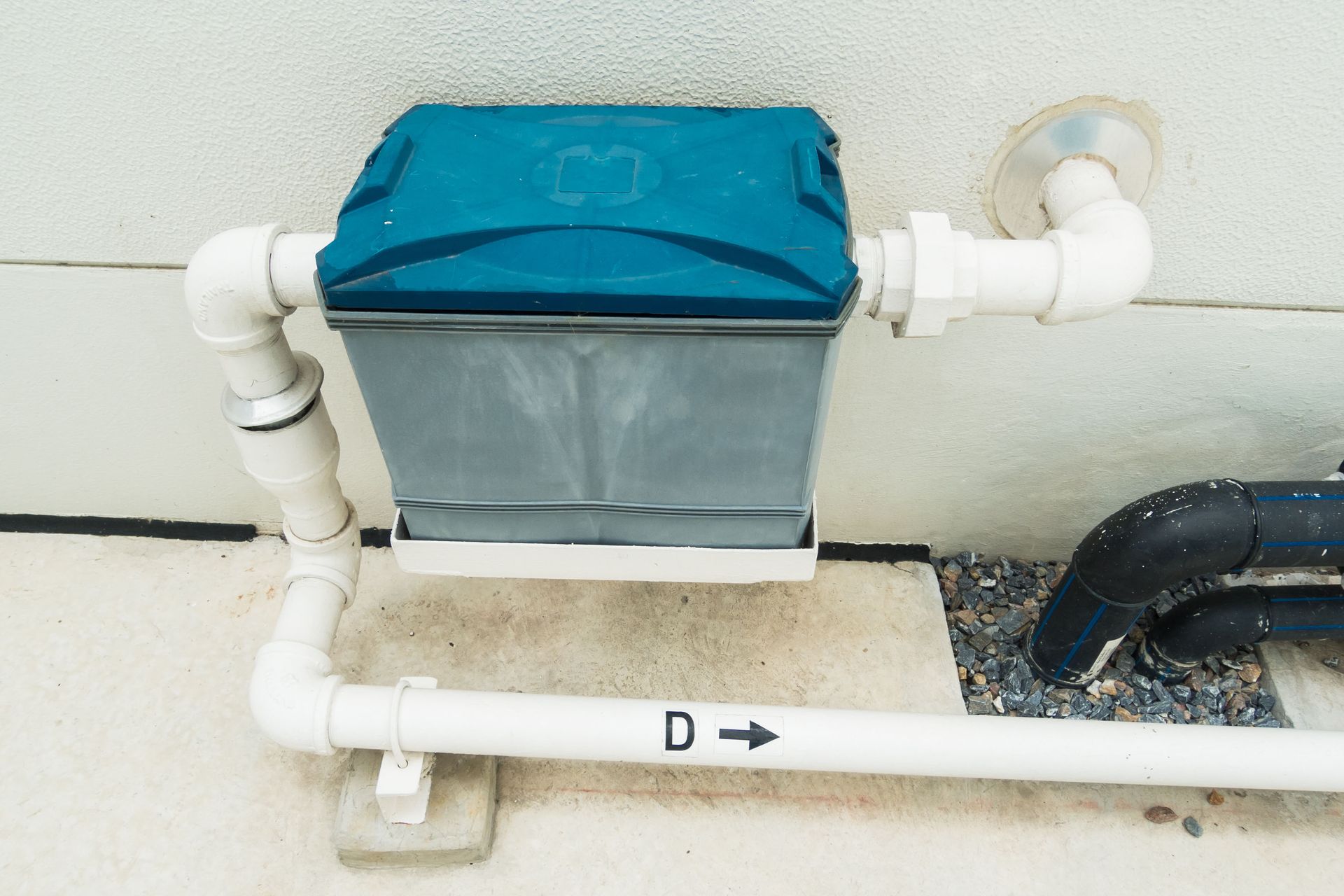
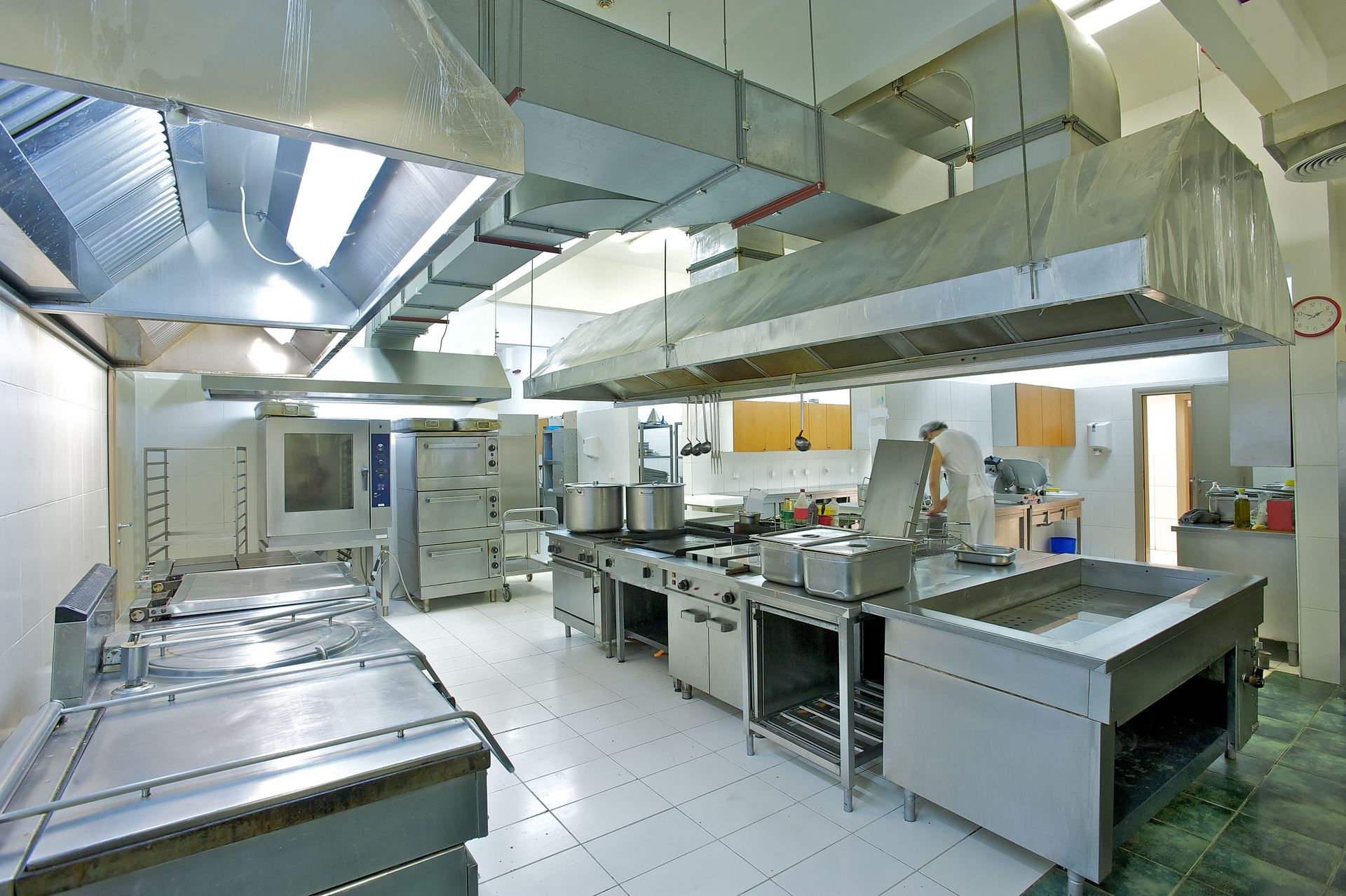
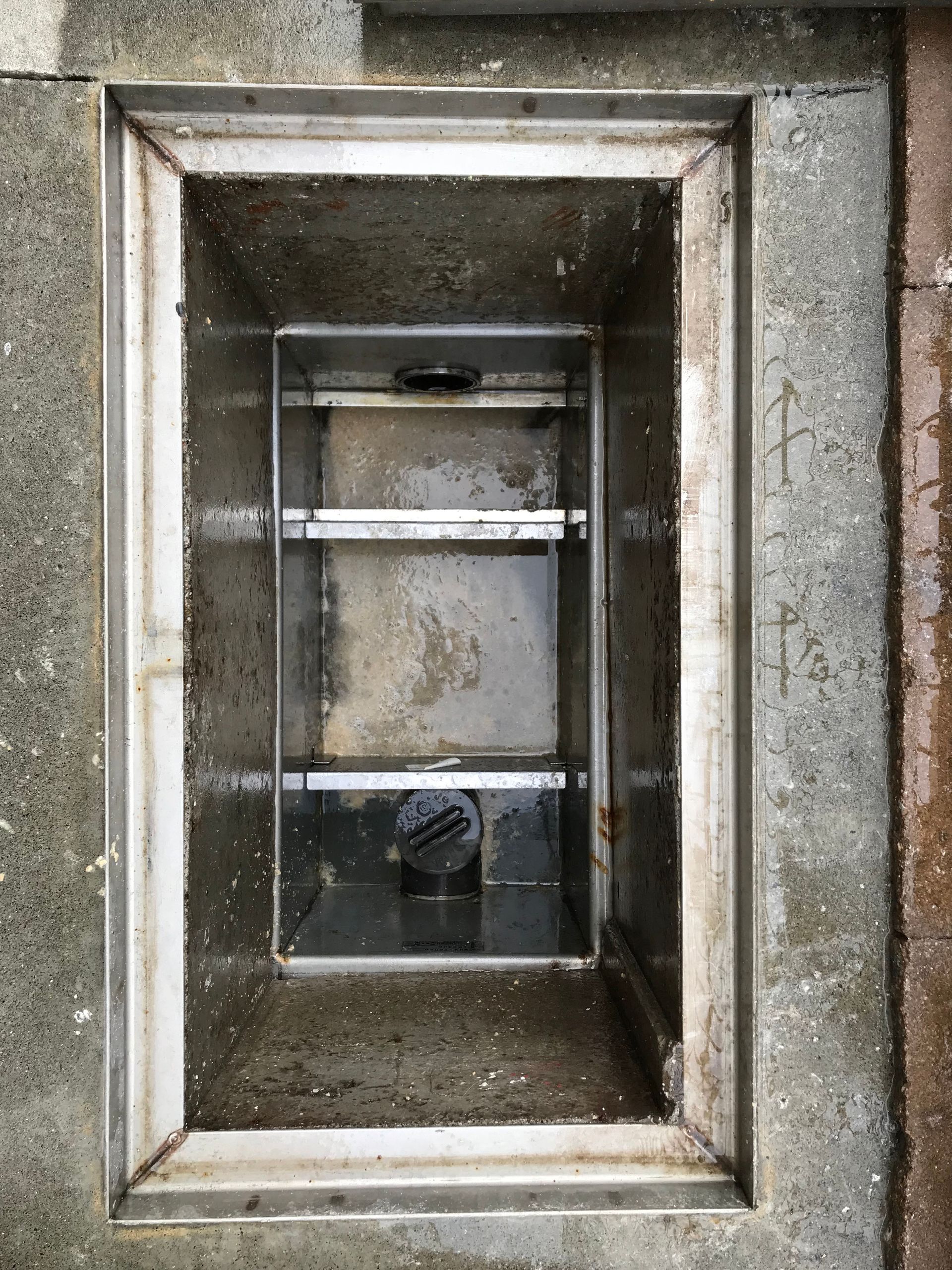
Grease traps are essential components for maintaining the efficiency and hygiene of commercial kitchens. They serve as a vital barrier, preventing grease, fats, and oils from entering the municipal plumbing system, where they can cause significant blockages. However, these systems require consistent inspection and professional upkeep to function correctly. Neglecting this maintenance can lead to severe operational failures, impacting both kitchen functionality and compliance with strict health standards. This article outlines the key indicators that your grease trap requires immediate intervention. By recognizing these signs early, you can avoid costly structural repairs and maintain a safe, productive environment for your staff and patrons alike.
Foul Odors
One of the most immediate indicators of a failing system is the presence of persistent, foul odors. These unpleasant smells typically originate from the grease trap when accumulated organic matter, fats, and oils begin to decompose. Understanding the source of these odors is critical for addressing the issue before it permeates the entire establishment. Beyond creating an uncomfortable work environment, these smells can escape the building, becoming a public nuisance to neighboring businesses and customers. This can lead to formal complaints and potentially damage the professional reputation of your establishment within the community.
In addition to being an aesthetic issue, these odors can indicate potential health hazards. Continuous exposure to decomposing organic gases can lead to respiratory discomfort for kitchen staff and diners. Proper ventilation and regular professional pumping are necessary to mitigate these risks effectively. When smells linger despite surface cleaning, it is a clear signal that the internal trap environment is compromised. A proactive approach ensures the kitchen remains a sanitary space. Addressing the root cause promptly prevents these minor air quality issues from escalating into significant health code violations or operational shutdowns.
To manage odors temporarily while awaiting professional service, some operators use enzyme-based additives designed to break down solids. However, these are not permanent fixes and should never replace a thorough manual cleaning. It is crucial to identify whether the odor stems from a full tank or a more complex venting issue. Regular maintenance schedules established with professional service providers are the only way to ensure long-term efficiency and odor control. By staying ahead of the decomposition cycle through scheduled cleanings, you prevent small maintenance needs from becoming expensive, emergency-level problems that disrupt your business hours.
Slow Drainage
Noticing slow drainage is a critical warning sign that your grease trap is reaching capacity or experiencing a blockage. Common symptoms include water backing up into sinks, sluggish flow through floor drains, and pooling in areas that should remain dry. These issues often serve as early warnings of a restricted plumbing line, which can lead to significant pipe damage if not addressed. Slow drainage is typically caused by the heavy accumulation of solidified grease and food waste, which narrows the passage available for water. Identifying these patterns early allows for timely intervention before a total system failure occurs.
Preventive measures should be a standard part of every commercial kitchen's daily routine to combat drainage issues. Staff should be rigorously trained to scrape plates and avoid pouring liquid oils down the drain, as these habits significantly increase the load on the trap. According to Fastmarkets, the total United States used cooking oil usage in 2024 reached 8.4 billion pounds, an increase of 42% compared with the prior year’s level, driven by demand for renewable diesel and other low-carbon fuels. This surge highlights the massive volume of waste oil that modern kitchens must manage responsibly to avoid overwhelming their local infrastructure.
If drainage issues persist, simple tools like plungers might offer very brief relief, but they often push the blockage deeper into the system. These methods are never a substitute for professional grease trap pumping and line jetting. Persistent sluggishness requires the expertise of specialists who can verify that the trap’s internal baffles are clear and functioning. Regular professional maintenance checks are the most reliable way to prevent the sudden onset of drainage failure. Keeping the system clear ensures that peak kitchen hours remain productive without the distraction of standing water or unusable sinks.
Unexplained Backups
Grease trap backups represent a severe stage of trap neglect and demand immediate action. The initial signs often involve wastewater or dark sludge returning through floor drains or sinks, which immediately compromises the sanitation of the food preparation area. Ignoring these signs can lead to extensive property damage, including water overflow and the potential for flooding the entire facility. Backups occur when the trap is so full or clogged that it can no longer process incoming waste, forcing the water back toward the source. Being proactive in identifying these signs can save your business from major structural damage.
The consequences of a full-scale backup are both financially draining and operationally destructive. Beyond the physical damage to flooring and equipment, backups often result in mandatory downtime, leading to lost revenue and potential fines. Unaddressed backups may require professional remediation and deep sanitation, especially if the waste contains hazardous bacteria. This can severely tarnish a business's reputation if customers become aware of the incident. By addressing the signs of a backup immediately, businesses can safeguard their daily operations and maintain the high health standards expected of a professional commercial kitchen.
Pinpointing the exact cause of a backup is essential for implementing a permanent solution. Professional inspections, often utilizing camera technology, can locate specific clogs within the plumbing lines or determine if the trap itself has structural damage. Emergency measures, such as immediately halting water usage, can minimize damage while waiting for a technician. Long-term solutions might include upgrading to a larger trap if your kitchen’s output has outgrown its current equipment. Maintaining a consistent, documented maintenance plan is the most effective way to eliminate the risk of backups and ensure the kitchen operates without interruption.
Unusual Noise and High Water Levels
Unusual noises, such as gurgling, banging, or hissing from the drainage system, are often overlooked signs of trouble. Gurgling sounds usually indicate trapped air within the lines, often caused by a partial blockage that prevents smooth airflow. Banging might suggest that loose debris is caught in the trap’s baffles or that components are vibrating under pressure. These sounds are early indicators of mechanical or flow issues. Understanding when these noises occur—such as during heavy usage periods—can help professionals diagnose the severity of the problem and address it before a total blockage or mechanical failure happens.
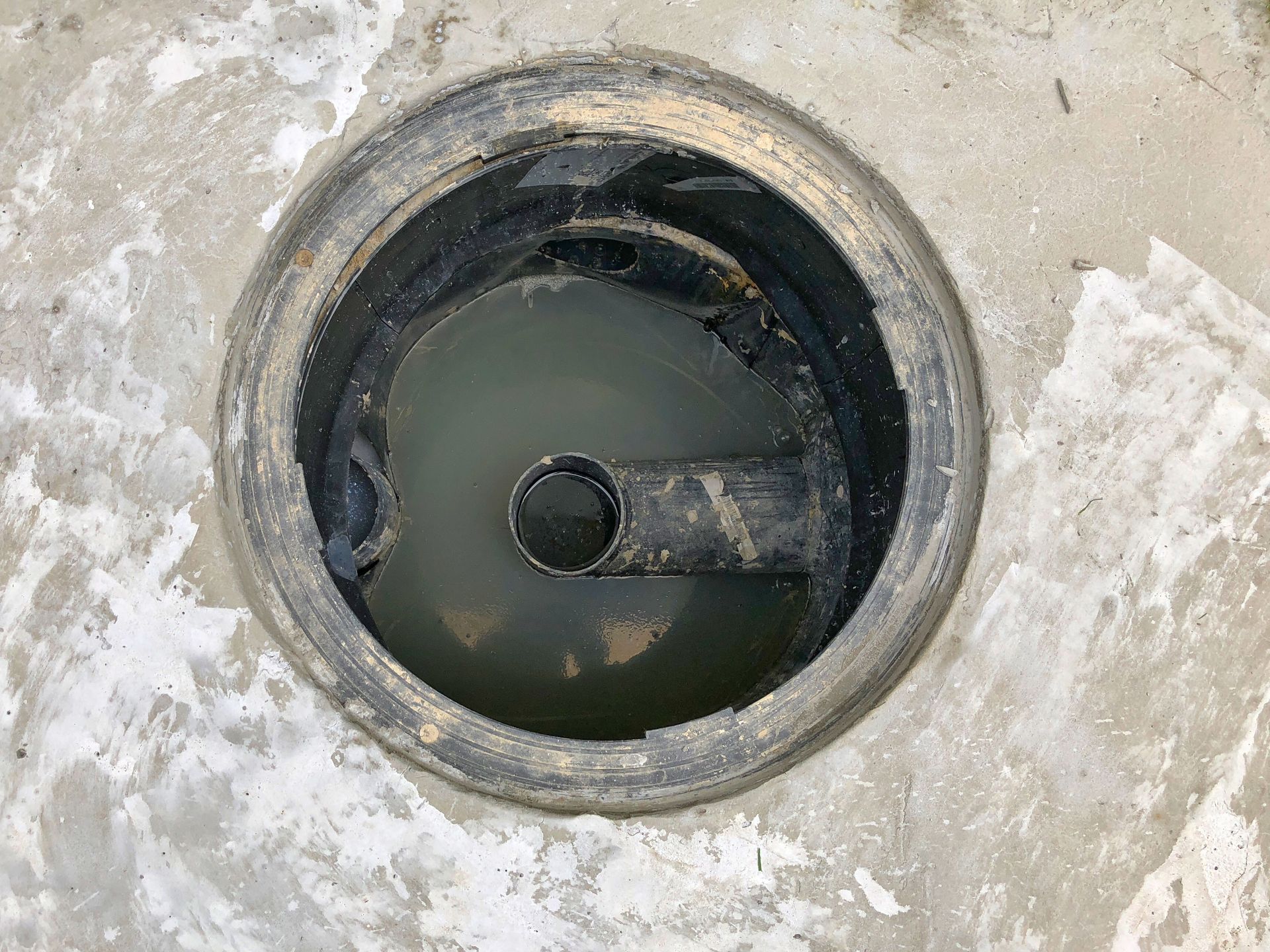
Consistently high water levels within the trap itself also signal an urgent need for service. If water remains near the top of the tank even when sinks are not in use, it suggests a downstream blockage or an improperly sized system. High levels increase the risk of spillages, which create slip hazards and potential contamination. Evaluating the trap's capacity is vital; if your business has increased its volume, the existing trap may simply be too small. Upgrading to a properly sized unit and ensuring it is cleaned at the correct intervals will prevent these overflows and keep your kitchen compliant with safety regulations.
Maintaining a well-functioning grease trap is a cornerstone of a safe and successful commercial kitchen. By staying vigilant and responding to signs like foul odors, slow drainage, and unusual noises, you can ensure timely professional intervention and avoid the high costs associated with emergency repairs or health code violations. Regular professional maintenance, combined with responsible waste management practices by your staff, prevents most major issues from developing.
Don't let a neglected grease trap disrupt your kitchen's operations or compromise your health standards. Ensure your facility stays compliant and clear by partnering with the experts at Brooks Grease Service for reliable, professional maintenance. Our team is ready to provide the thorough cleaning and inspection your business needs to prevent costly backups and odors.