February 3, 2026
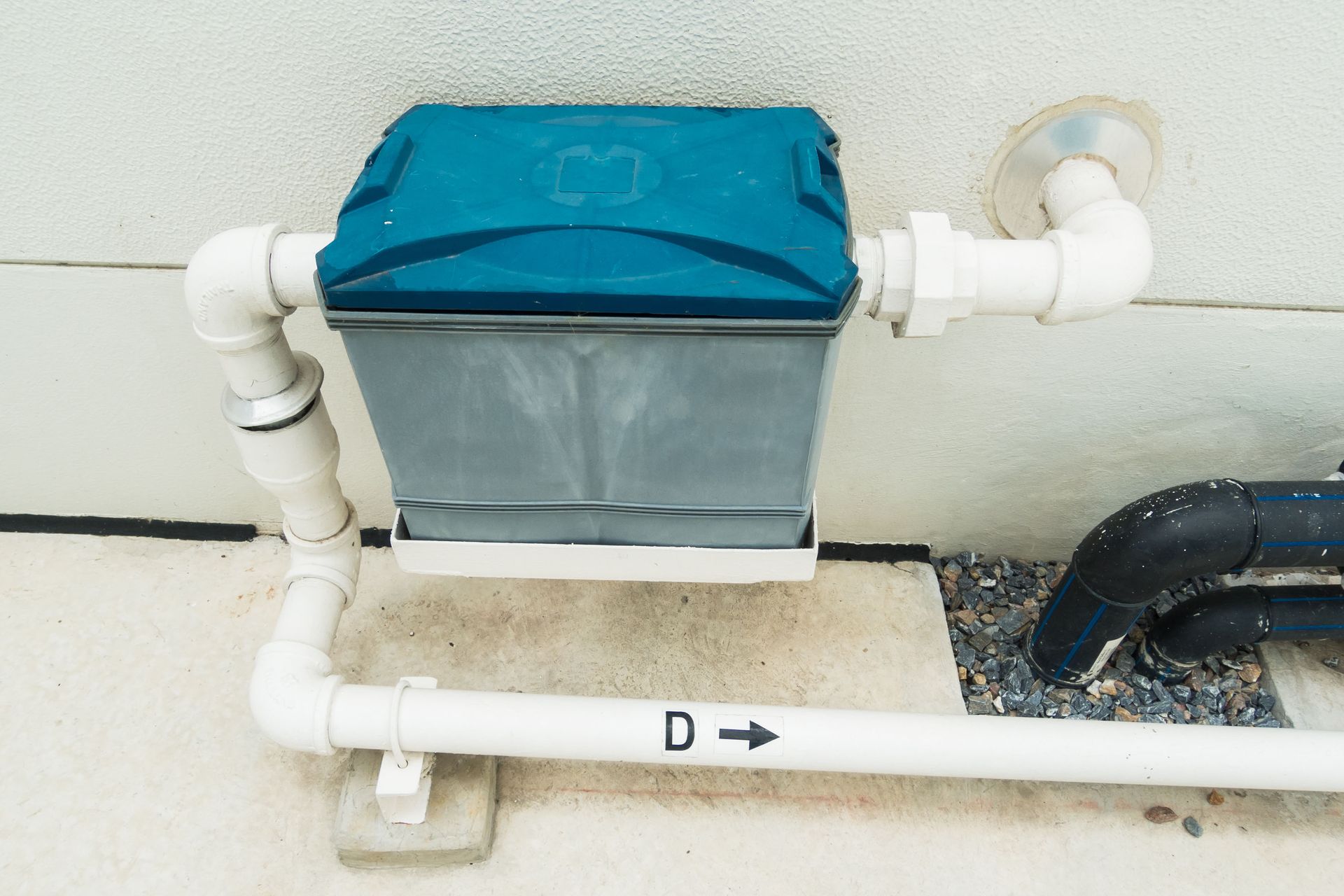
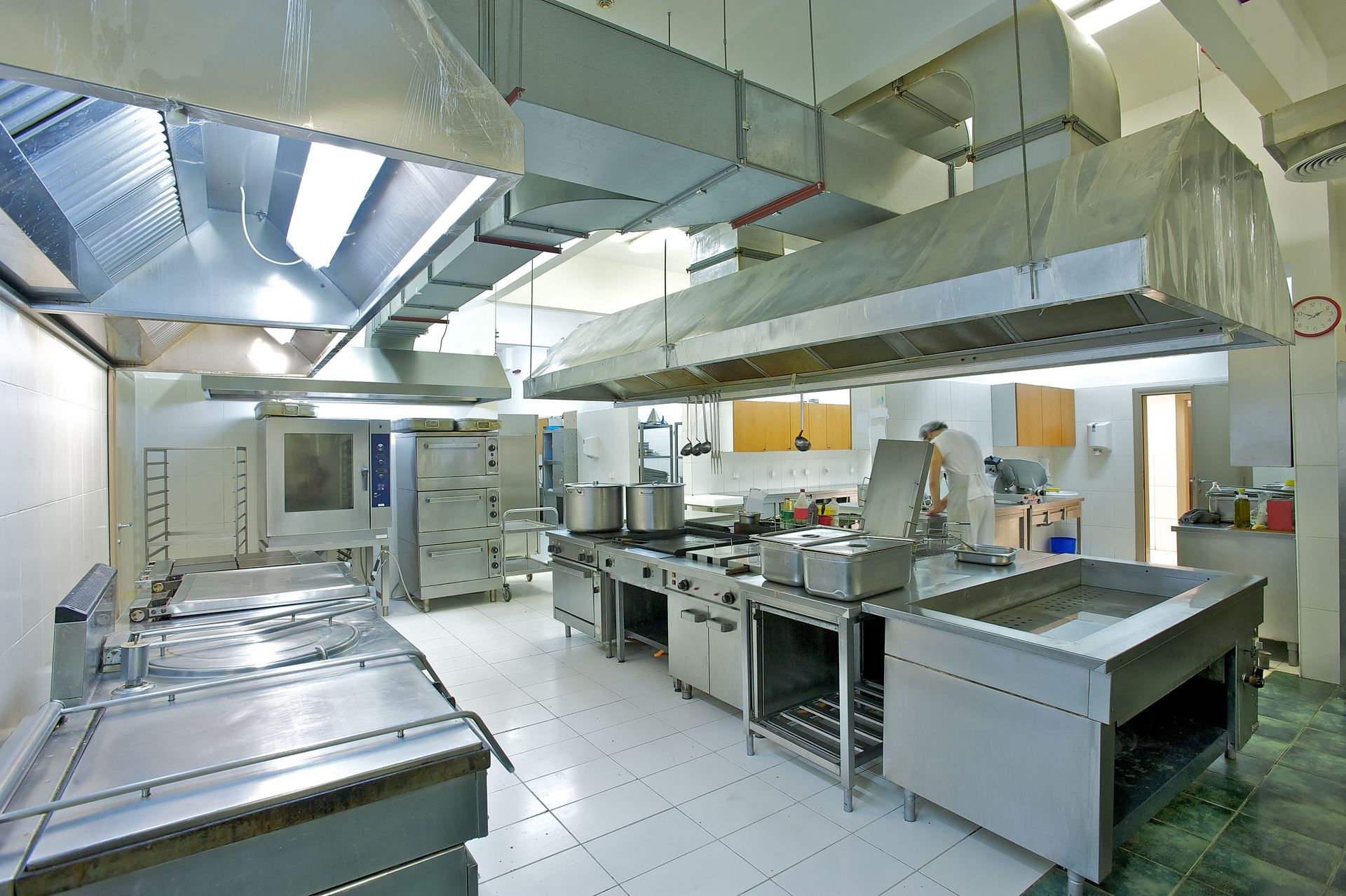
In the bustling world of commercial food service, managing grease traps is crucial. Grease traps play a vital role in preventing costly plumbing issues while ensuring hygiene and safety. Without proper management, they can pose significant health risks and incur fines due to regulatory non-compliance. According to the U.S. Environmental Protection Agency, approximately 47% of sewer blockages and overflows stem from fats, oils, and grease predominantly from restaurants and similar establishments. Therefore, it's essential to explore the importance of consistent maintenance and adherence to regulations concerning commercial grease traps.
Potential Health Risks of Neglected Grease Traps
Bacterial Growth and Pathogens
Neglected commercial grease traps can become breeding grounds for harmful bacteria and pathogens. Over time, decomposing food particles within the traps accelerate bacteria growth, posing serious health risks to staff and patrons. This environment encourages the proliferation of E. coli, salmonella, and other potentially deadly microorganisms. Proper cleaning and maintenance of grease traps can significantly reduce these risks, ensuring food safety compliance. Establishments that regularly inspect and cleanse their grease traps demonstrate responsibility towards public health.
Pest Infestation
Inadequately maintained commercial grease traps often attract pests such as rodents and insects. Grease and organic buildup provide ideal conditions for pests, which seek out the warmth and food particles present. Infestations can quickly grow into a significant health issue and are a common cause of health code violations. Addressing this risk involves regular monitoring and cleaning of traps to remove the build-up that attracts unwanted pests. Restaurants with stringent grease management policies experience fewer pest-related challenges.
Odor Control Issues
One of the most noticeable symptoms of poor grease trap maintenance is unpleasant odors. Accumulating grease and decomposition produce foul smells, which can permeate kitchen and dining areas. Odor issues not only pose health concerns but also deter customers, affecting the reputation and business of food establishments. Effective grease trap maintenance includes removing accumulated solids and grease promptly to maintain a fresh and inviting environment. Establishing a routine cleaning schedule mitigates odor-related complaints and improves customer experiences.
Water Contamination
For facilities neglecting grease trap maintenance, water contamination becomes a significant concern. Contaminated water surfaces due to negligent practices can lead to environmental degradation in surrounding areas. Such incidents affect local water supply systems and can pose a threat to community health. Authorities have established strict regulations and monitoring systems to mitigate contamination risks arising from inadequate grease management. Regular and thorough cleaning fosters a safer water system while contributing positively to the environment.
Environmental Impact
The environmental consequences of neglected commercial grease traps cannot be overstated. Overflow of grease into public sewer systems leads to blockages and overflows, adversely affecting natural waterways. Accumulated fats, oils, and grease from restaurants are significant sources of this problem, as noted by the U.S. Environmental Protection Agency. Such blockages lead to costly clean-up operations and loss of biodiversity in affected ecosystems. Responsible management practices ensure establishments avoid contributing to these environmental issues, aligning their operations with sustainability goals.
Safety Hazards Associated with Grease Trap Maintenance
Slip and Fall Risks
When maintaining grease traps, one of the most common hazards encountered is the risk of slips and falls. Grease trap areas can become slippery, particularly during the cleaning process when spills may occur. Implementing adequate safety measures is imperative to protect maintenance personnel and kitchen staff. Installing non-skid flooring and utilizing appropriate cleaning techniques can significantly reduce these risks. Training for staff on safely navigating grease trap maintenance areas further enhances safety protocols.
Chemical Exposure
Grease trap cleaning often involves the use of potent chemicals, posing potential health hazards. Proper handling, storage, and usage instructions of these chemicals are crucial to safeguarding workers. Employees must be equipped with personal protective equipment (PPE) such as gloves, eye protection, and aprons to minimize exposure risks. Familiarizing staff with emergency protocols in the event of chemical spills reduces potential health consequences. Employers are responsible for ensuring regular training programs are conducted for safe chemical handling.
Confined Space Access
Access to commercial grease traps frequently involves confined space entry, heightening associated risks. Entry into confined spaces requires careful planning and adherence to safety standards to prevent accidents. It is imperative that only trained personnel with the correct safety certifications attempt maintenance activities in these areas. Implementing appropriate ventilation and ensuring continuous communication during confined space operations are key safety strategies. Regular safety audits ensure compliance with best practices, reducing potential confined space hazards.
Manual Handling Risks
The manual handling of commercial grease traps involves lifting heavy components, posing strain-related injury risks. Proper training on lifting techniques and ergonomics can minimize these hazards, promoting a safer work environment. Utilizing mechanical aids and team lifting strategies aids in reducing the physical burden on maintenance staff. Employers should conduct regular assessments of manual handling tasks to identify potential risk factors. Commitment to workplace safety translates into fewer injury incidents and a more efficient maintenance team.
Electrical and Equipment Safety
Maintenance processes may require interactions with electrical systems, presenting additional safety concerns. Ensuring the deactivation of electrical equipment before maintenance minimizes risks of electrical shock. Personnel must understand how to safely operate and maintain equipment relevant to grease trap management. Adequate training and regular equipment inspections serve to prevent electrical fires and related accidents. Observance of electrical safety guidelines is vital to prevent workplace injuries and ensure compliance with safety standards.
Best Practices for Grease Trap Maintenance
Regular Inspection Schedules
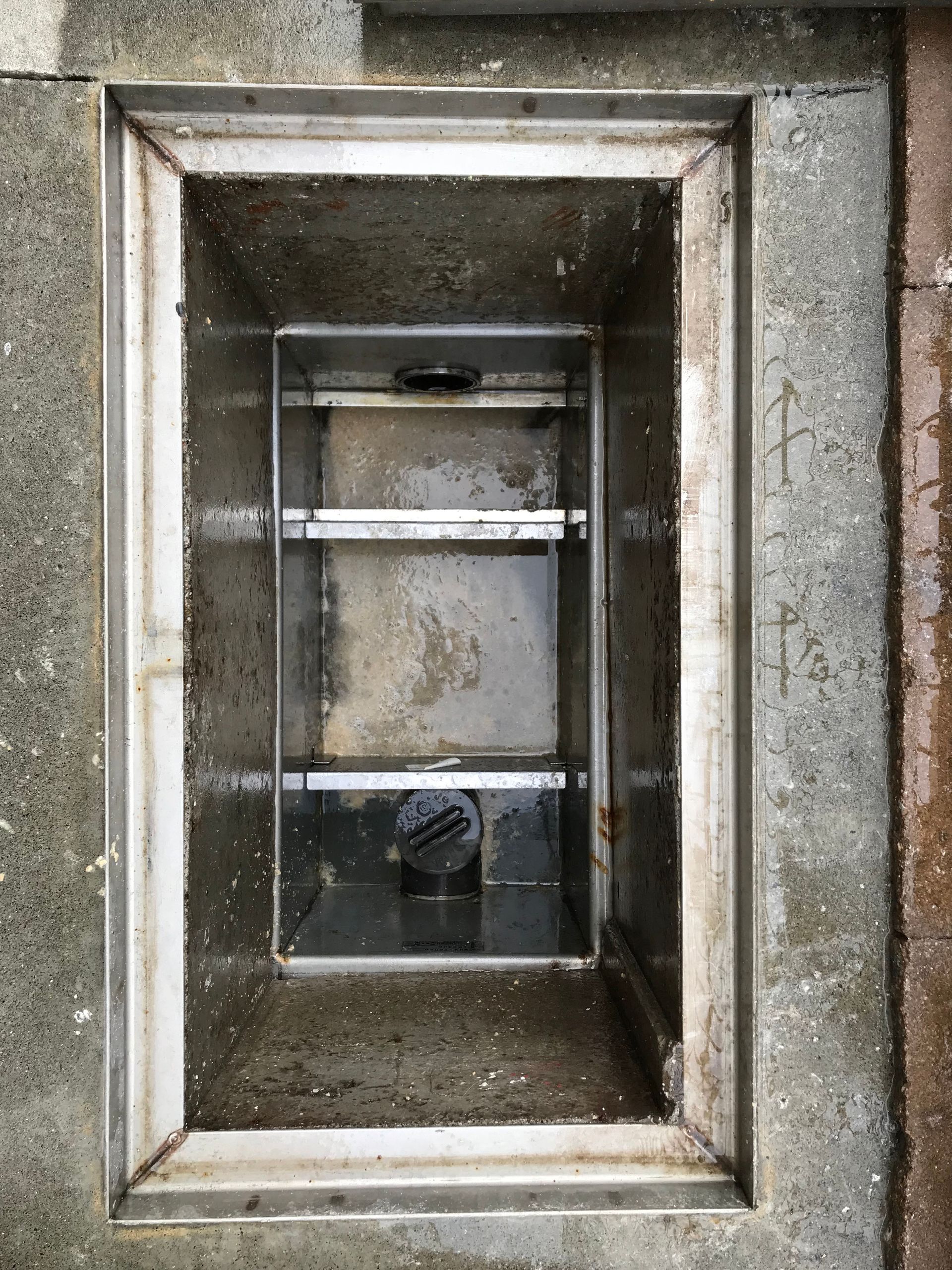
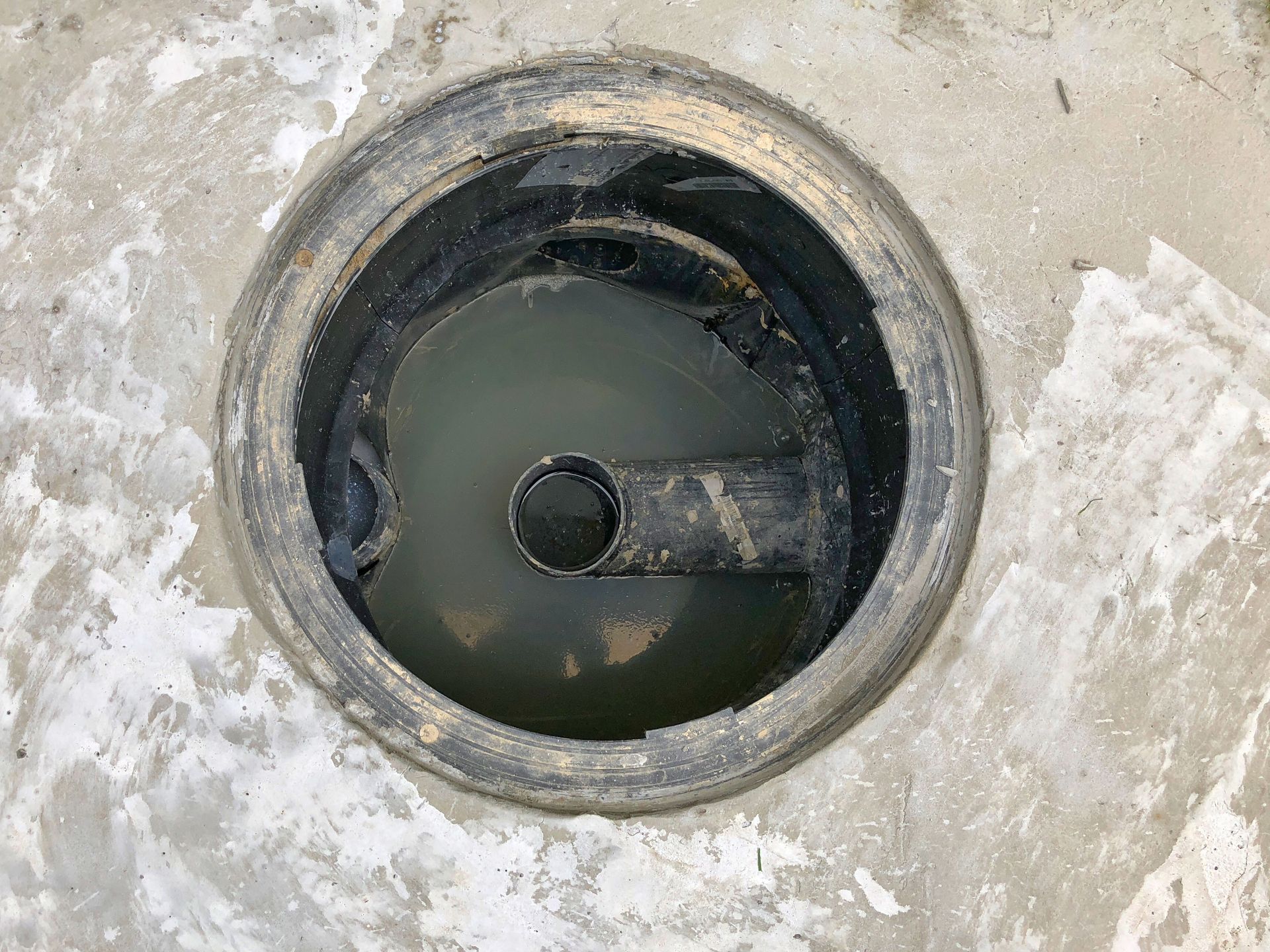
Establishing regular inspection schedules is fundamental for effective grease trap maintenance. Scheduled inspections help identify potential issues such as damage or buildup before they evolve into costly problems. A comprehensive inspection includes reviewing trap integrity, checking for leaks, and assessing grease levels. Persistent maintenance results in increased longevity and functionality of commercial grease traps. Ultimately, these practices prevent unscheduled downtime and align with regulatory inspection requirements.
Proper Cleaning Procedures
Implementing proper cleaning procedures is essential to maintain grease trap efficiency and ensure compliance with health standards. Regular cleaning mitigates the risks of blockages, unpleasant odors, and microbial contamination associated with neglected traps. Adopting eco-friendly cleaning agents and techniques can enhance sustainability while reducing potential hazards. Establishing a routine cleaning schedule and utilizing professional services ensures thorough maintenance. Well-maintained grease traps contribute to a healthier environment within and around the establishment.
Documentation and Record Keeping
Accurate documentation and record keeping are crucial components of effective grease trap management. Records serve as evidence of compliance with local regulations and maintenance protocols. Detailed records should include inspection and cleaning dates, observations, and corrective actions taken. Maintaining these records not only helps in audits and inspections but also supports operational continuity. Establishments that prioritize meticulous record-keeping streamline their compliance processes and enhance operational efficacy.
Training for Maintenance Personnel
Comprehensive training for maintenance personnel is imperative in ensuring safe and effective grease trap operations. Training programs should cover essential topics like safety protocols, proper cleaning techniques, and equipment handling. Regular training updates and assessments help maintain a skilled workforce capable of managing grease traps efficiently. Well-trained personnel can quickly identify and address maintenance issues, minimizing risks and ensuring compliance. By investing in training, businesses protect their workforce and enhance operational standards.
Waste Disposal Management
Appropriate waste disposal management is critical in handling materials removed from grease traps. Improper disposal can lead to environmental pollution and potential regulatory violations. Collaborating with licensed waste disposal companies ensures environmentally responsible practices and compliance with waste management laws. Regular audits of disposal practices facilitate improvements and mitigate environmental impacts. Responsible waste management underscores a commitment to sustainability and regulatory accountability.
The maintenance of commercial grease traps plays a crucial role in ensuring public health, safety, and environmental sustainability. Regular inspections and adherence to regulatory requirements are the cornerstones of effective grease trap management. As highlighted, technological advancements and best practices present opportunities for businesses to enhance safety while achieving cost efficiencies. By pursuing continuous improvement, establishments prepare themselves for future challenges and embrace industry innovations. Ultimately, responsible grease trap management contributes significantly to operational excellence and long-term business success. Reach out to Brooks Grease Service today to see how we can help you!