February 2, 2026
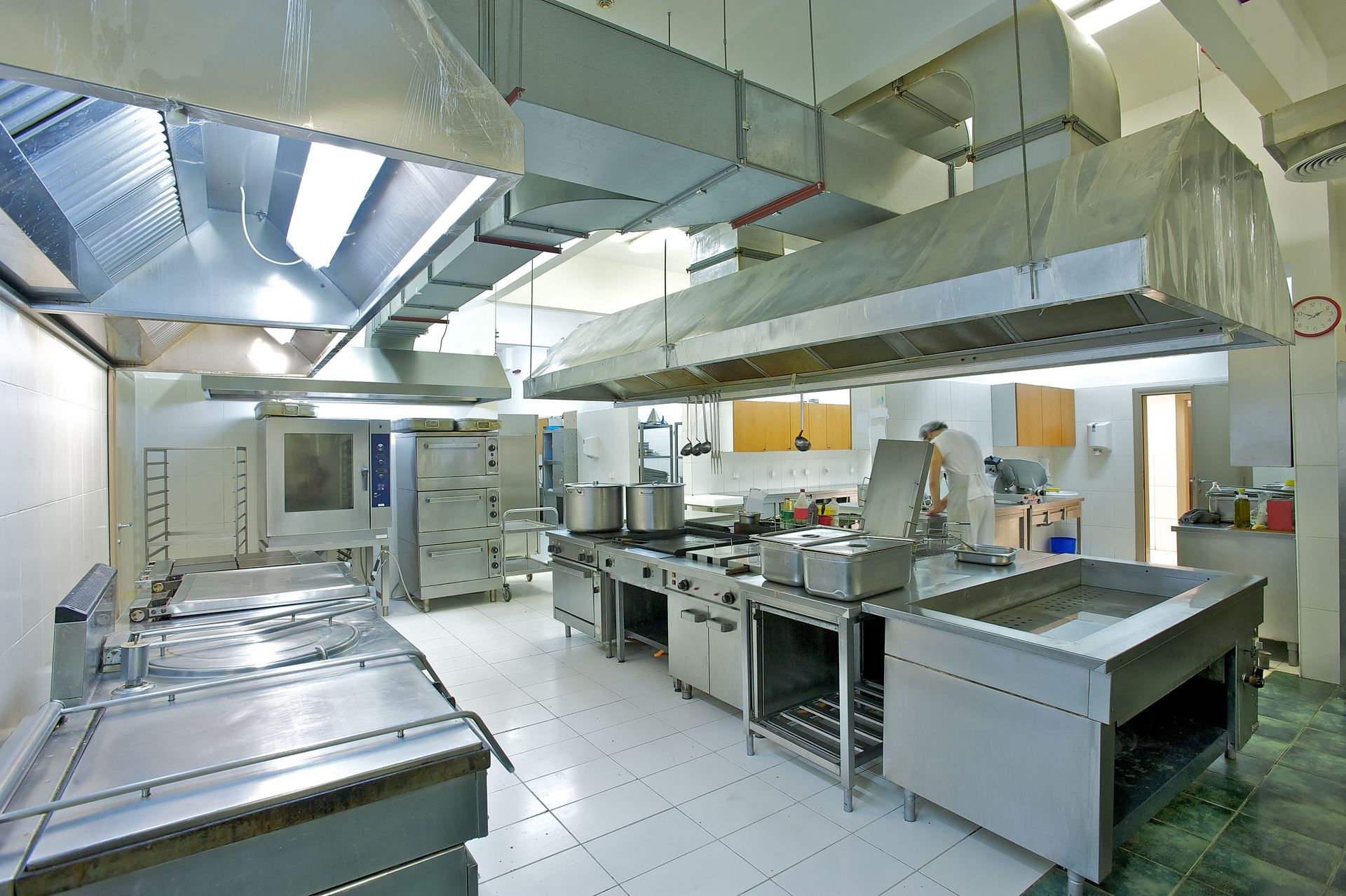
Commercial grease traps, often overlooked in the hustle and bustle of daily kitchen operations, are crucial components of a well-functioning kitchen. These devices are designed to intercept and capture greasy substances from wastewater, preventing plumbing and environmental issues. Let's explore a few reasons why grease traps are vital to maintaining safety, efficiency, and environmental responsibility in modern culinary establishments.
The Functionality of Grease Traps
Separating Fats, Oils, and Grease (FOG)
The primary purpose of commercial grease traps is to separate fats, oils, and grease, collectively known as FOG, from wastewater. These substances, when mixed with water, can solidify and cause blockages in plumbing systems. Grease traps capture FOG before it enters the sewage system, reducing potential plumbing issues. In busy kitchens, the volume of FOG can accumulate quickly, making effective separation crucial for maintaining operational flow. Without this crucial process, establishments risk costly repairs and downtime.
Mechanism of Grease Traps
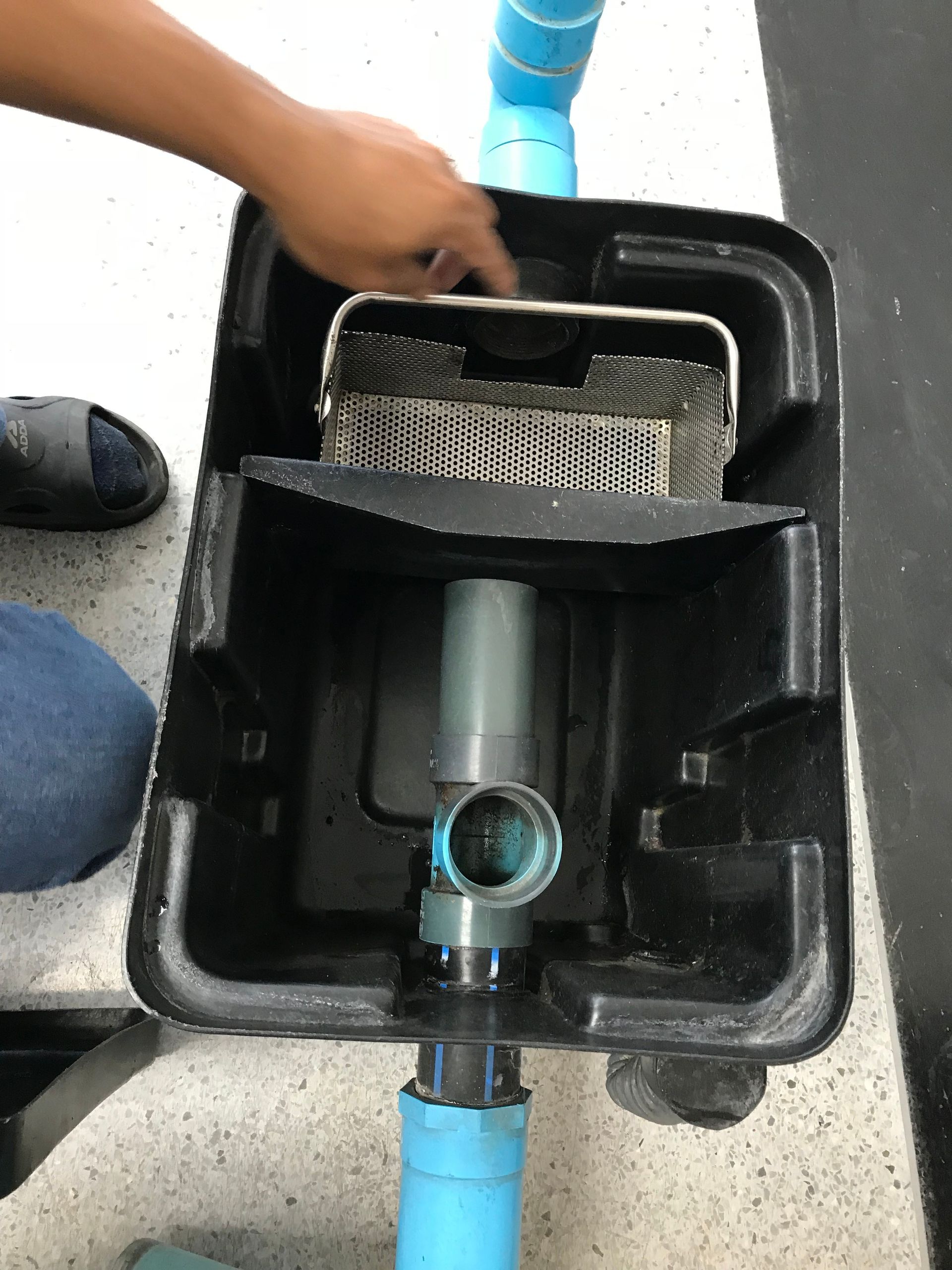
Grease traps operate on a simple yet effective principle: density difference. As wastewater enters the trap, heavier particles settle at the bottom while lighter grease, fats, and oils float to the top. The design of the trap allows the cleaner water to flow out through an outlet, leaving the FOG behind. This simple mechanism ensures that only treated water exits the system. The routine maintenance of grease traps is essential to ensure their functionality and to prevent overflow or odors.
Types of Grease Traps
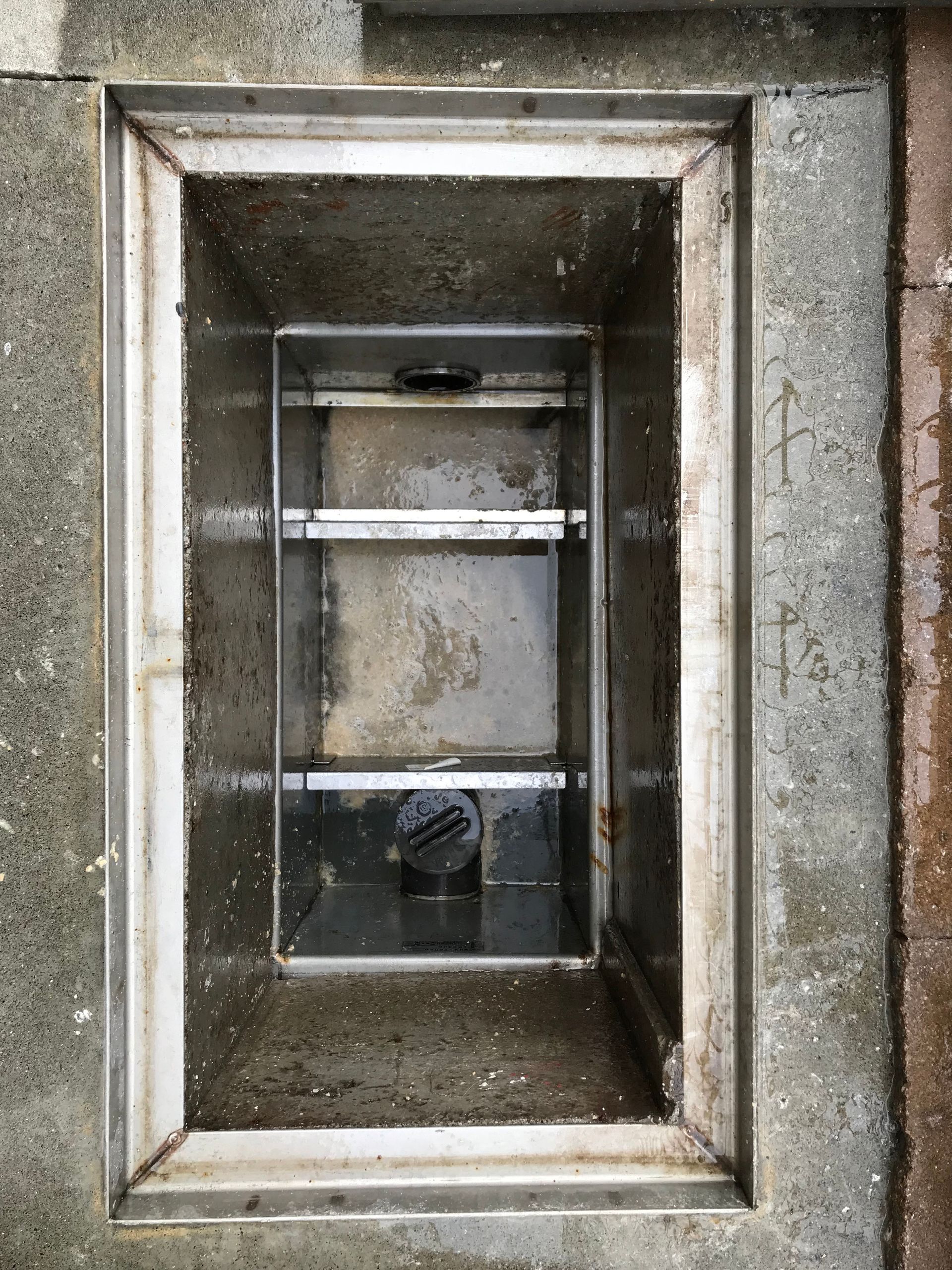
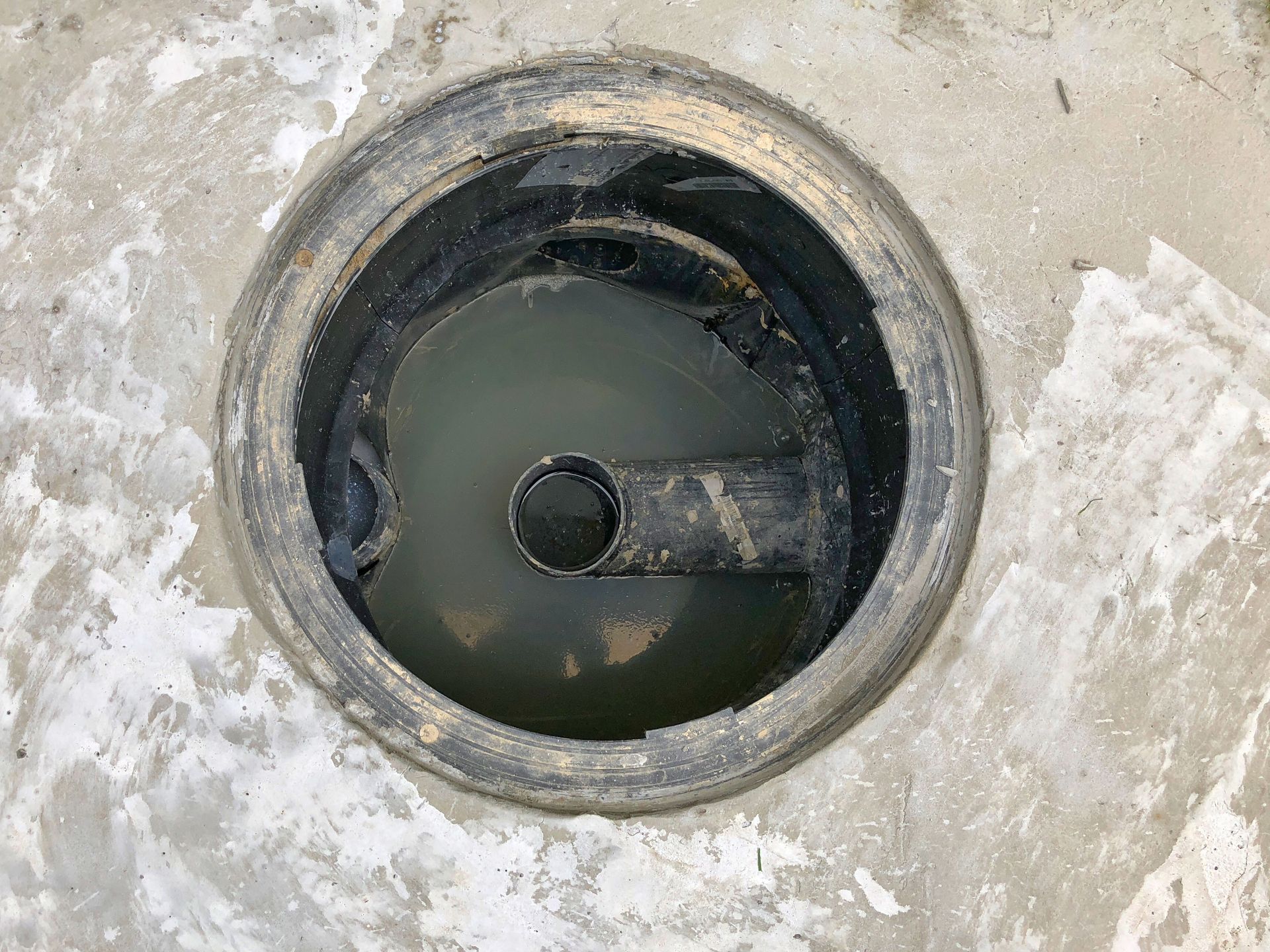
There are various types of commercial grease traps available, designed to suit the specific needs of different kitchens. Passive grease interceptors are compact and perfect for kitchens with limited space. Large-volume gravity grease traps serve high-traffic environments with significant FOG output. Choosing the right type depends on factors such as kitchen size, local regulations, and the volume of wastewater. Each type has its advantages, with installation ease and maintenance being the main considerations.
Installation Considerations
Proper installation of grease traps is crucial to their effectiveness and longevity. Considerations include the location, ensuring it is easily accessible for maintenance, and the correct sizing to handle the kitchen's specific waste output. Installation is generally carried out by professionals who understand the nuances of plumbing infrastructure. The incorrect installation can result in inefficiencies or frequent clogging, defeating the purpose of the trap. Understanding both local building codes and industry standards is essential for optimal installation.
Capacity and Sizing
The size of a grease trap significantly impacts its effectiveness, with oversized units wasting space and undersized units prone to overflow. It's crucial to perform an accurate assessment of the kitchen's FOG output to determine the appropriate capacity. Many factors, such as menu offerings and kitchen traffic, contribute to these calculations. An undersized trap leads to frequent maintenance, while an oversized one results in unnecessary expenditure. Correct sizing ensures efficient operation and compliance with health regulations.
Importance of Grease Traps for Kitchen Safety
Preventing Slippery Surfaces
One of the significant safety concerns in a kitchen is the risk of slips and falls due to greasy floors. Unmanaged grease can spill over, creating dangerous, slippery surfaces. Grease traps help minimize this risk by effectively capturing FOG before it reaches areas where spills can occur. Regular maintenance further ensures that traps function efficiently, leaving floors cleaner and safer. A safe work environment promotes better productivity and reduces workplace accidents.
Avoiding Fire Hazards
In a kitchen, where open flames and high temperatures are common, excess grease poses a severe fire hazard. Grease fires are difficult to extinguish and can cause significant damage. By intercepting grease before it accumulates in exhaust hoods and ducts, commercial grease traps play a crucial role in reducing this risk. Effective grease management prevents the conditions that typically lead to fires. Therefore, grease traps are not just a preventative measure but a critical safety component.
Reducing Contamination Risks
Contamination from grease-laden equipment and surfaces is a food safety concern that can lead to severe health violations. Grease traps help mitigate this by ensuring that FOG does not back up into food preparation areas. Regular maintenance of these traps reduces the risk of cross-contamination and supports hygiene standards. Furthermore, neglected grease traps can emit foul odors, which are not just unpleasant but also indicative of bacterial growth. Addressing these risks is essential for maintaining the integrity of the food service operation.
Enhancing Kitchen Efficiency
Minimizing Plumbing Clogs
One of the most immediate benefits of installing a grease trap is the reduction in plumbing clogs. As FOG tends to solidify and stick to pipe walls, it often results in time-consuming and costly plumbing repairs. Commercial grease traps prevent these issues by capturing the FOG before it accumulates within plumbing systems. Regular maintenance and timely cleaning of grease traps enhance their effectiveness in this role. The result is a more reliable plumbing system that supports efficient kitchen operations.
Streamlining Waste Management
Grease traps enable more efficient waste management by controlling the flow and disposal of FOG. With a structured system in place, kitchen staff can focus more on their primary duties. The traps' presence decreases the chaotic nature of waste disposal by centralizing the grease capture. According to Prescient & Strategic Intelligence, the western region of the U.S. is the largest regional contributor, and the Northeast is the fastest-growing region for cooking oil recycling activity during the study period 2019-2032, highlighting regional differences in the adoption of recycling practices. Such optimized processes result in smoother operations and better use of resources.
Reducing Downtime and Maintenance Costs
A key metric of kitchen efficiency is the reduction of downtime due to equipment failure or maintenance. Effective commercial grease traps reduce the need for frequent plumbing repairs, thus minimizing downtime. Regular maintenance of these traps is less costly than emergent plumbing interventions. Businesses can allocate resources more efficiently by reducing unexpected maintenance costs. Ultimately, this ensures more consistent kitchen operations and better profitability.
The Environmental Impact of Grease Traps
Managing Waste Sustainably
Grease traps play a pivotal role in sustainable waste management by capturing and controlling the disposal of FOG. This process prevents grease from entering the public sewer system and potentially polluting water bodies. Efficient use of grease traps supports a reduced environmental footprint by minimizing waste disposal impact. Establishing grease trap protocols aligns with broader sustainability goals often emphasized in the foodservice industry. By managing waste sustainably, businesses contribute to environmental conservation efforts.
Preventing Aquatic Pollution
FOG waste that escapes into the environment can have severe ecological impacts, particularly on aquatic systems. Grease traps prevent this scenario by capturing and safely disposing of these pollutants within the kitchen setup. By thwarting pollution at the source, grease traps protect local waterways and aquatic life. Many communities emphasize responsible grease disposal to maintain water quality, highlighting the importance of effective grease trap systems. This proactive approach not only safeguards the environment but also ensures compliance with environmental regulations.
Contributing to Renewable Energy
The recycling of FOG collected from grease traps can contribute to renewable energy production. Used cooking oil can be converted into biodiesel, providing a sustainable alternative to fossil fuels. Businesses contributing to this recycling effort not only support environmental sustainability but also reduce waste. Embracing this practice positions establishments as leaders in ecological responsibility within their communities.
Commercial grease traps are indispensable to safe, efficient, and environmentally responsible kitchen operations. These devices provide numerous advantages, from reducing fire hazards to contributing to renewable energy efforts. By implementing and maintaining grease traps with the help of Brooks Grease Service, you ensure not only operational efficiency but also adherence to environmental and health standards. Reach out to us today to get started with a free consultation!