December 2, 2025
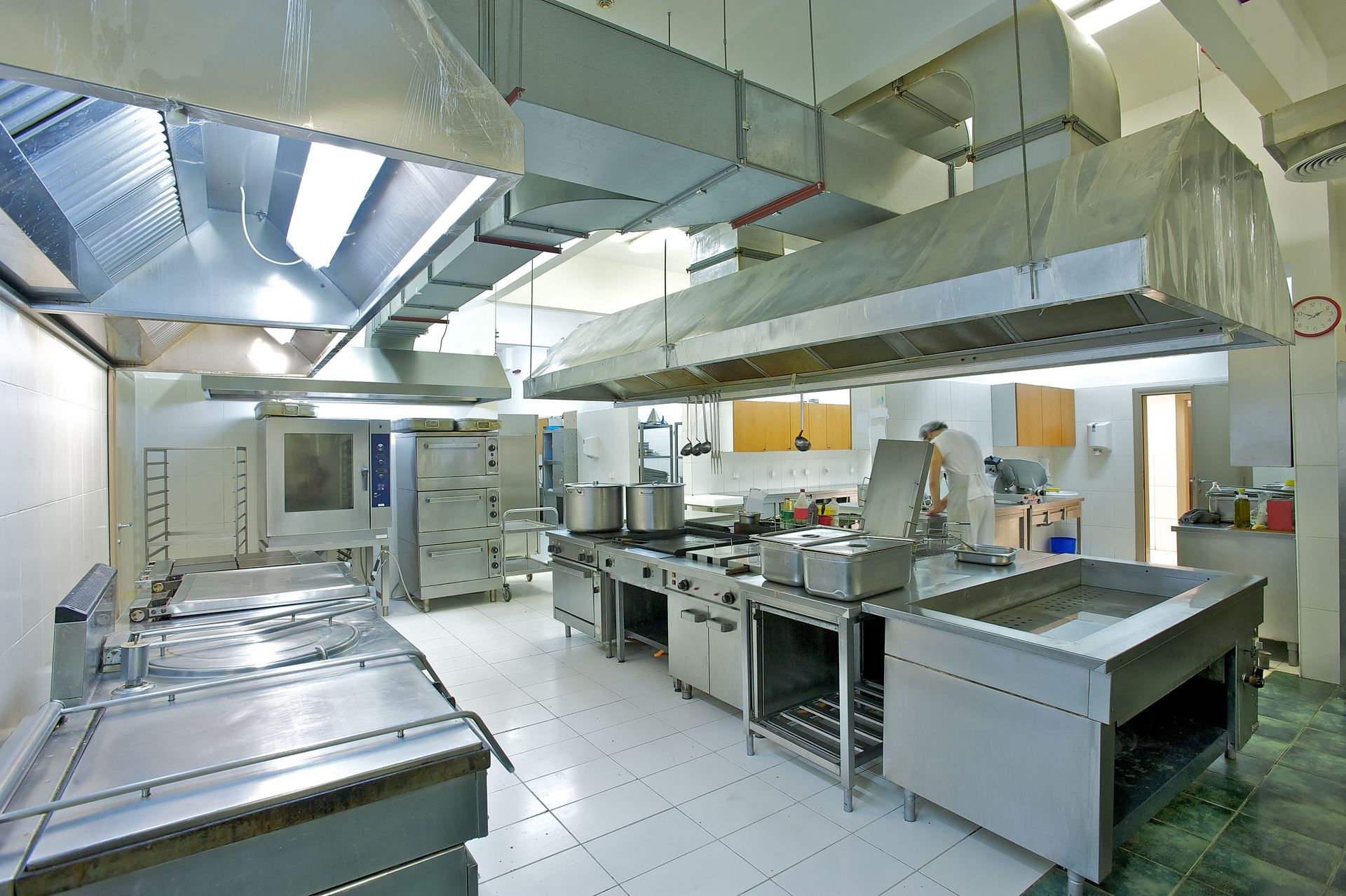
Commercial kitchens rely on cooking oil every day, but improper handling and disposal can lead to safety hazards, equipment damage, and costly plumbing issues. Even small mistakes, such as pouring used oil down drains or neglecting grease trap maintenance, can create backups, foul odors, and regulatory violations that disrupt operations. In addition to safety and compliance concerns, ineffective grease management can increase long-term maintenance costs and reduce the lifespan of plumbing and kitchen equipment.
Understanding the most common mistakes in grease management allows operators to implement safer, more efficient practices that protect both staff and infrastructure. Effective procedures, such as regular trap cleanings, proper storage of used oil, and timely emergency response, can help maintain a smooth workflow while reducing environmental impact. According to Prescient & Strategic Intelligence, the West is the largest regional contributor, and the Northeast is the fastest-growing region for cooking oil recycling activity during the study period 2019–2032, highlighting regional differences in the adoption of recycling practices. These trends show that the way commercial kitchens manage cooking oil can vary widely across the United States, emphasizing the importance of tailored solutions for different regions and operational needs.
Prevent Pouring Used Cooking Oil Down Drains
Technical Risks to Plumbing Systems
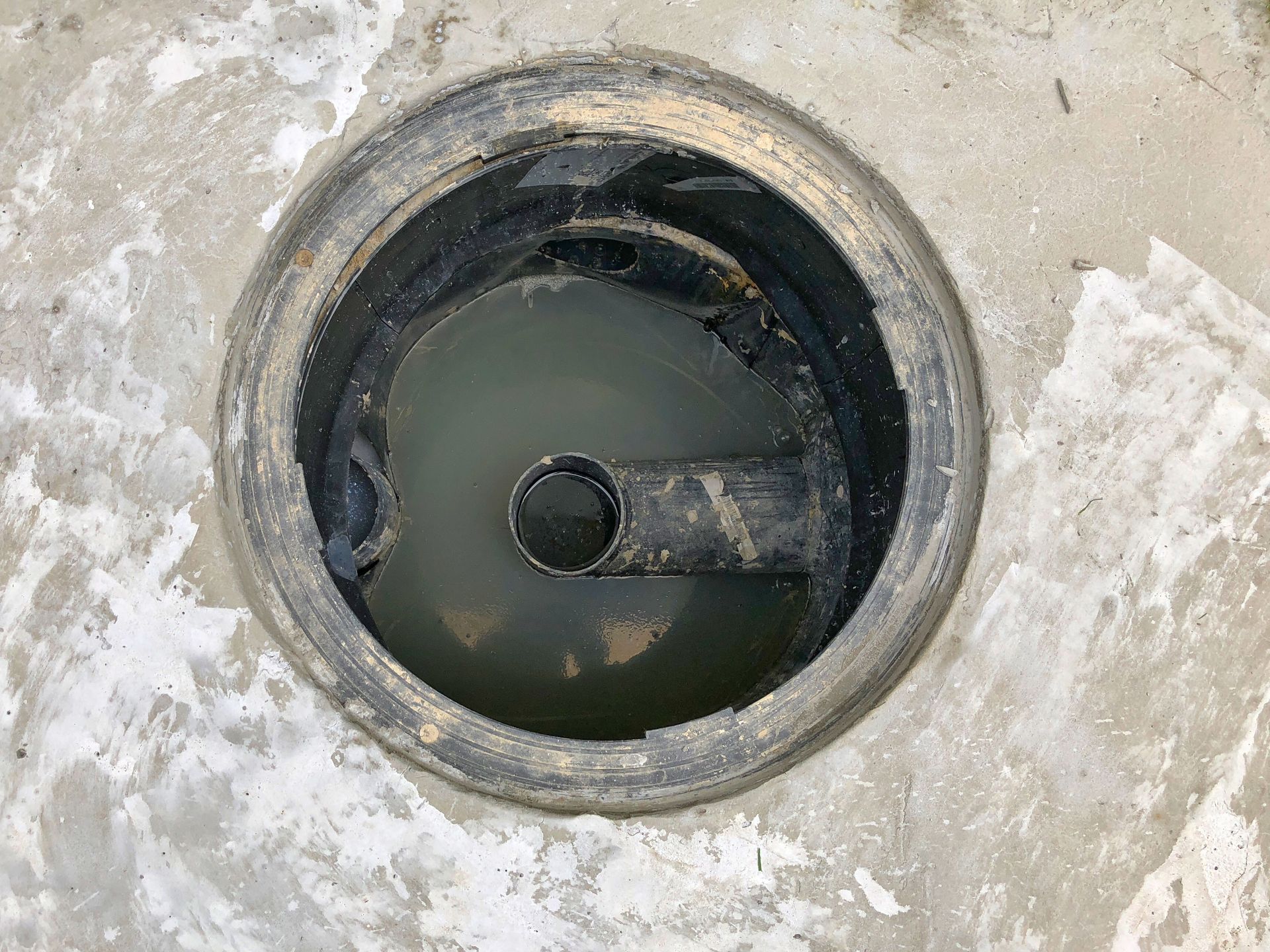
Improper disposal of grease trap waste and used oils creates serious plumbing risks because when oil enters drains, it can congeal, solidify, and eventually clog plumbing systems. Over time, that buildup not only disrupts a facility’s operations but also impairs the larger municipal wastewater system. Safe removal methods help prevent backups that could lead to costly downtime for commercial kitchens.
Using licensed and insured service providers also reduces liability risk by ensuring waste is handled correctly and in compliance with local regulations. This level of protection helps safeguard the facility, the surrounding community, and the staff who rely on consistent, functional kitchen infrastructure.
Practical Recycling Alternatives for Commercial Kitchens
Rather than risking drains by dumping oil, monthly used cooking oil recycling programs offer a safer, more efficient alternative. These services typically supply sealed, stable containers that help prevent leaks and spills between pick-ups and reduce hazards around storage zones. This creates a predictable and organized system for managing oil once it has been used.
Maintain Regular Grease Trap Cleaning
Early Warning Signs of Grease Trap Failure
Kitchens often underestimate how frequently their grease traps fill, leading to warning signs such as slower drains or foul odors that can affect workflow. Service providers with same-day availability and power-wash–equipped trucks can address these issues quickly, helping prevent disruptions that impact staff efficiency and customer satisfaction.
24-hour emergency support is also valuable when a trap becomes a blockage risk. Quick assistance minimizes the chance of shutdowns, protects sanitation standards, and keeps the kitchen functioning even during unexpected problems.
Thorough Pressure-Wash Maintenance Procedures
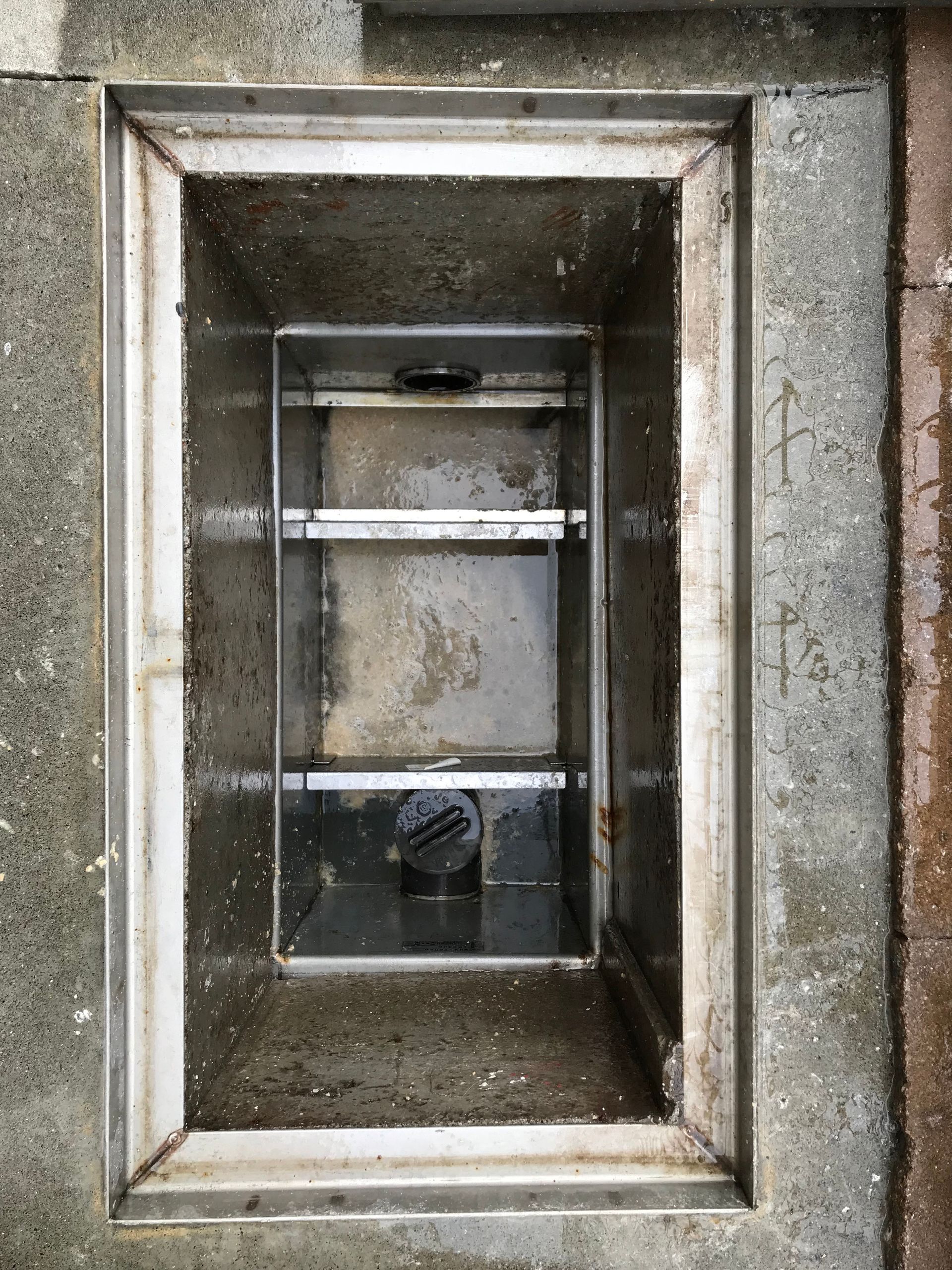
Comprehensive grease trap cleaning involves more than pumping out waste; pressure-washing the interior removes built-up residue and helps extend the life of the system. This thorough approach supports efficient trap performance and reduces the frequency of recurring problems.
Regular, detailed cleanings help traps maintain proper separation of fats, oils, and grease, which keeps plumbing lines clearer for longer. Over time, this lowers long-term wear on the system, reduces the return rate of buildup, and improves overall kitchen sanitation.
Regulatory Compliance and Documentation Support
Commercial kitchens must comply with local and state regulations related to waste disposal, which can be complex. Many service providers support compliance by supplying required documentation, including manifestation paperwork, to keep businesses aligned with environmental and health authorities.
Manage Grease Accumulation in Automated Grease Tanks
Automated Monitoring and Alerting Features
Automated grease tanks offer more efficient monitoring than traditional traps by tracking grease levels and improving storage management. Systems equipped with automatic alerts notify operators when tanks near capacity, reducing guesswork and supporting proactive maintenance.
These smart storage solutions reduce manual labor by minimizing the need for staff to empty traps or buckets, and they often incorporate sustainability-focused design elements. Automated monitoring also decreases errors and ensures consistent, responsible handling of grease.
Scheduled Professional Pump-Outs and Inspections
Scheduled pump-outs and routine inspections help maintain smooth system performance and limit odor problems that can affect indoor and outdoor work areas. Regular attention ensures automated tanks continue operating efficiently during high-volume periods.
Accurate recordkeeping is essential for regulatory compliance, and experienced service providers manage required documentation so businesses can demonstrate proper waste tracking without additional administrative work.
Store Used Cooking Oil Securely and Safely
Sealed, Purpose-Built Container Selection
Using sealed, purpose-built containers for collecting used cooking oil is essential for maintaining safety. Containers designed for recycling programs keep storage secure and help minimize the risk of spills or contamination. Quality containers also streamline workflows for staff who handle used oil.
The design of these containers supports safe transport because when vacuum trucks come for pickup, they can quickly and cleanly transfer oil. This reduces mess and maximizes efficiency during each service visit. Consistent container quality also lowers the risk of equipment failures or leakage during storage.
Safe Placement and Handling Procedures
Keeping storage containers in stable, protected areas away from traffic or heat sources reduces the chance of tipping and limits exposure to damaging conditions. Proper placement supports safer working environments by minimizing hazards for staff.
Following a regular collection schedule decreases the likelihood of overfilling—a common cause of spills, odors, and safety hazards. Staying on schedule helps avoid last-minute storage complications, especially during busy meal periods.
Respond Promptly to Emergency Grease Spills
Immediate Safety and Sanitation Measures
Spills in commercial kitchens can occur unexpectedly, and rapid response is critical to restoring safe conditions. Emergency support teams can clean spills, pressure-wash affected areas, and return the space to operational status quickly. Prompt action reduces risks associated with slippery surfaces and sanitation issues.
Unattended spills also create hygiene problems and may lead to regulatory violations. The longer grease sits, the more it spreads and complicates cleanup. Swift intervention protects both workers and guests by preserving a healthier environment.
Professional Pressure-Wash Cleanup Services
For significant spills or recurring issues, professional cleanup services are often the most reliable option. Comprehensive cleaning methods, including pressure-washing bin areas and spill sites, help prevent buildup from returning in high-traffic zones.
Access to power-washing trucks allows many providers to complete cleanup the same day, minimizing downtime and ensuring kitchens maintain compliance. Fast, effective cleaning supports consistent operations without unnecessary disruption.
Proper cooking oil handling and grease management play a major role in keeping commercial kitchens safe, compliant, and running smoothly. Partnering with professionals for used oil recycling, scheduled grease trap service, and automated tank monitoring helps prevent the downtime and unexpected costs that can emerge when problems go unchecked. With support like emergency spill response, pressure washing, and clear documentation, you are not just dealing with grease because you are building a cleaner, more dependable operation.
When you are selecting a provider, it pays to choose one that is licensed, insured, and fully equipped to handle both FOG waste and recycled oil. Brooks Grease Service — a family-owned company operating since 1957 with a trained fleet and power-wash capabilities — brings all of that together, along with bilingual support and flexible service bundles. Whether you are planning routine maintenance or facing an urgent issue, professional grease management is a smart investment. To see how the right partner can simplify your workflow, learn more with Brooks Grease Service.