February 2, 2026
Disposing of kitchen waste properly is a responsibility that every homeowner and commercial kitchen manager must take seriously. When you finish preparing a meal, the leftover liquids in your pans might seem harmless, but they can cause significant damage to your plumbing and the local environment. Learning the right way to handle used cooking oil is the first step toward maintaining a healthy drainage system and supporting local sanitation efforts. Many people make the mistake of thinking a little liquid won't hurt, but the cumulative effect of improper disposal is a leading cause of infrastructure failure in cities across the country.
Identifying the Risks of Improper Disposal
The most common mistake people make is pouring liquid fats directly down the kitchen sink. While the liquid might be hot and fluid when it leaves your pan, it quickly cools as it travels through your pipes. As it cools, the fat solidifies and clings to the interior walls of your plumbing. Over time, these layers build up, catching other food particles and debris, eventually leading to a complete backup. This doesn't just affect your home; it can cause issues for the entire neighborhood. According to NYC Environmental Protection, even small amounts of grease can harden inside pipes and reduce wastewater flow by up to 25%, increasing the likelihood of blockages.
Preparing Your Oil for Trash Disposal
If you have a small amount of cooking oil that you cannot reuse, the safest method for home disposal is the trash, but only if handled correctly. Never pour liquid oil directly into a trash bag, as it will likely leak and create a massive mess for waste collectors. Instead, wait for the oil to cool completely. Once cooled, pour it into a sturdy, sealable container like an old glass jar or a plastic coffee tub. If the oil is solid at room temperature, such as coconut oil or bacon grease, you can simply scrape it into the container. Seal the lid tightly and place it in your regular household trash bin. This keeps the liquid out of the sewers and contained within the landfill.
Recycling Your Used Kitchen Greases
For those who use large amounts of cooking oil, recycling is a much more environmentally friendly option. Many municipalities now offer grease collection programs where the waste is processed into biofuel or soap. Recycling turns a potential pollutant into a renewable energy resource. To participate, you should collect your used oil in a large, spill-proof container. Once the container is full, you can take it to a local drop-off center. This practice prevents the common "fatbergs" that plague city sewers and reduces the carbon footprint associated with traditional waste disposal. It is a simple habit that makes a massive difference in your community’s sustainability goals.
Maintaining Clean and Clear Drains
Preventative maintenance is the best way to ensure you never face a plumbing emergency. Even if you are careful with your cooking oil, small amounts can still find their way into the sink during the dishwashing process. To mitigate this, use a fine-mesh sink strainer to catch solid food scraps before they enter the drain. Periodically flushing your drains with boiling water can help move small amounts of residual grease along, though this is not a substitute for proper disposal habits. If you notice your sinks are draining slower than usual, it is a sign that buildup is already occurring. Taking action early can save you from the high costs of professional rooter services and emergency repairs.
Managing Commercial Kitchen Waste Needs
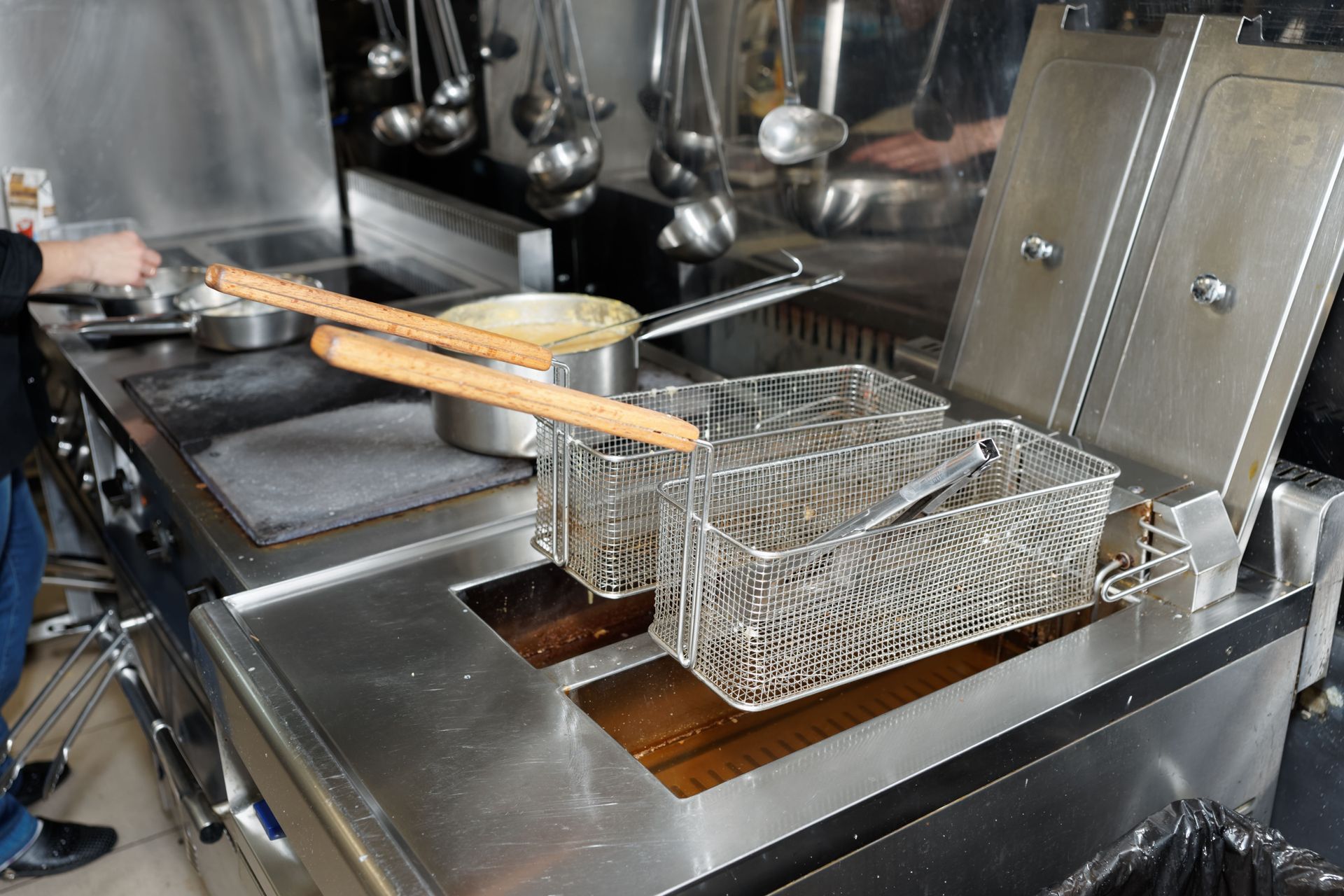
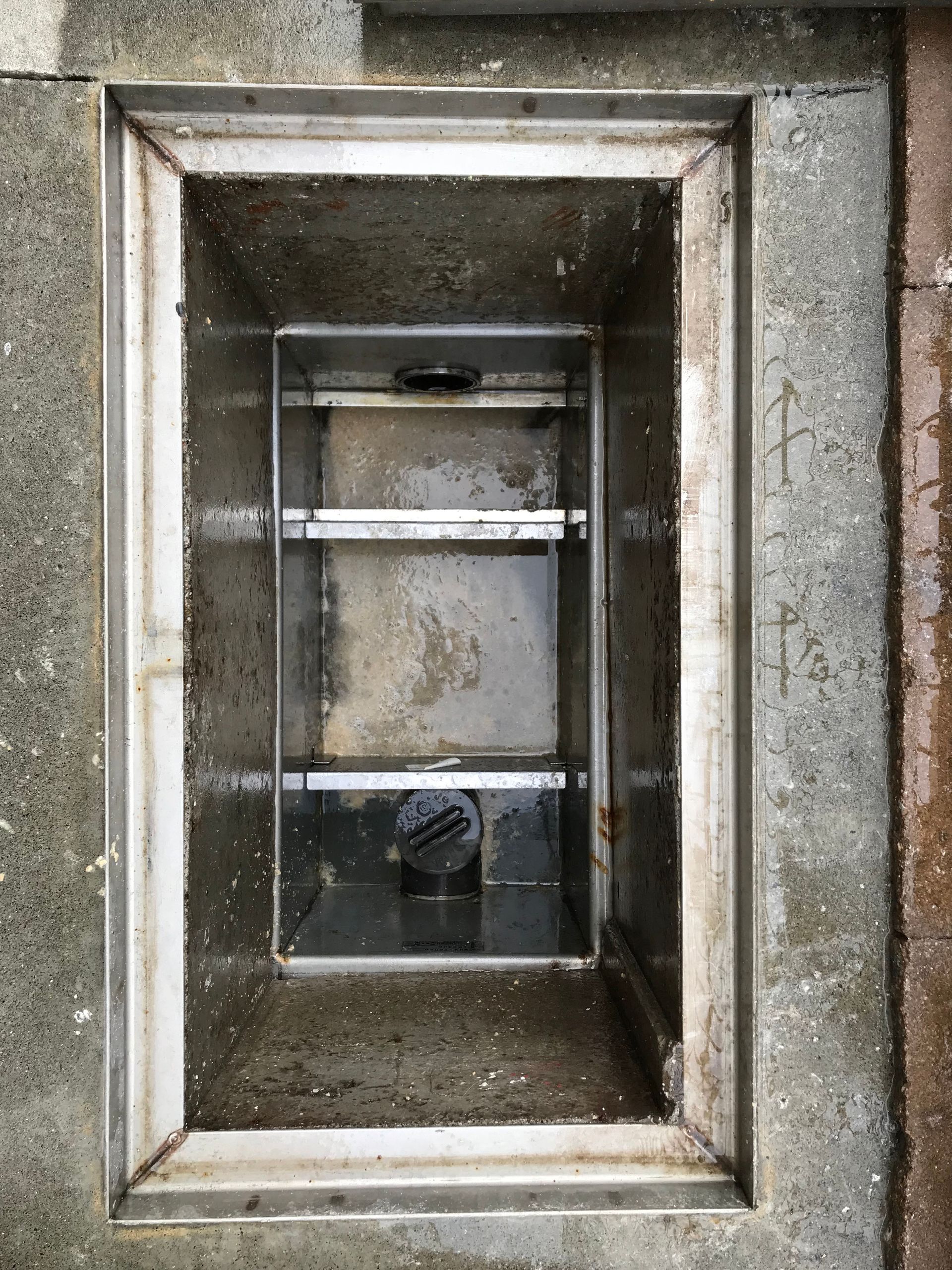
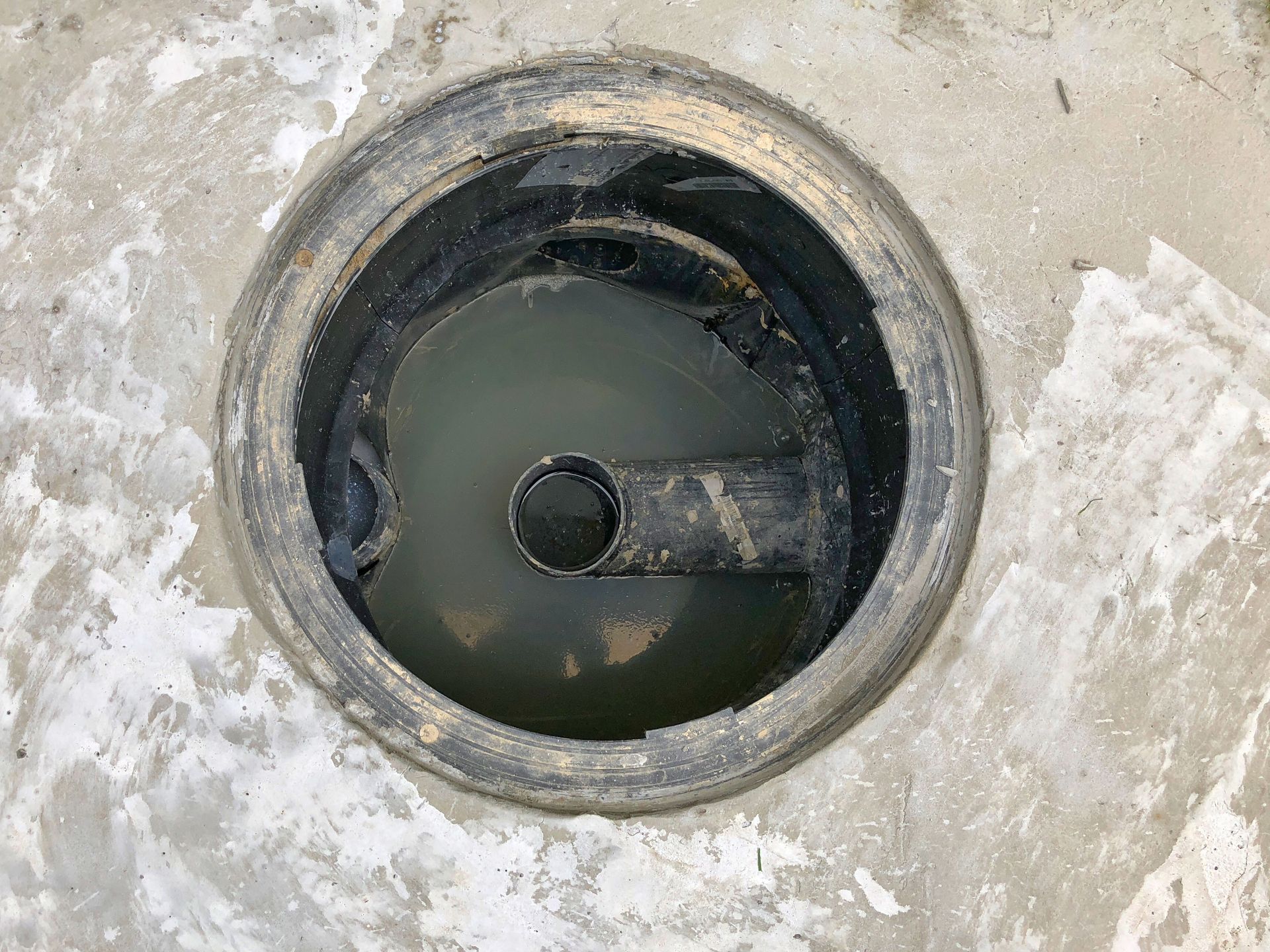
In a professional setting, the volume of cooking oil generated is far too high for standard household disposal methods. Restaurants and industrial kitchens must adhere to strict local regulations regarding grease traps and waste management. Failure to manage these systems can result in heavy fines and temporary closures. Professional grease management ensures that all byproduct is captured and hauled away by certified professionals. This not only keeps the kitchen compliant with health and safety codes but also ensures the surrounding infrastructure remains functional. Partnering with a dedicated service provider allows business owners to focus on their craft while the messy work of waste management is handled behind the scenes.
Implementing Better Kitchen Habits Daily
Changing your perspective on kitchen waste requires a small shift in your daily routine. Keep a designated "grease jar" near the stove so it is always convenient to pour off excess oil rather than reaching for the faucet. Wipe out greasy pans with a paper towel before washing them in the sink to remove as much residual fat as possible. These tiny adjustments, when practiced consistently, eliminate the vast majority of grease that enters the wastewater system. Educating family members or kitchen staff about these protocols is essential for long-term success. When everyone understands the "why" behind these rules, they are much more likely to follow them consistently.
Protecting the Local Water Supply
The health of our local waterways is directly linked to what we put down our drains. When cooking oil enters the sewer system, it can eventually overflow into rivers and streams during heavy rain events. This coating of oil on the water's surface prevents oxygen from reaching aquatic life and can be toxic to birds and fish. By choosing to dispose of your oils correctly, you are actively participating in the protection of local wildlife and the preservation of clean water for future generations. It is a form of environmental stewardship that starts right at the kitchen counter and has a ripple effect throughout the entire ecosystem.
Maximizing the Lifespan of Plumbing
Property owners often overlook how much their daily habits influence the longevity of their plumbing systems. Consistently pouring cooking oil into the plumbing can lead to corrosion and persistent odors that are difficult to eliminate without professional cleaning. When pipes are constantly coated in fatty substances, they become more susceptible to structural damage and recurring clogs. By treating your drains with respect and disposing of fats properly, you extend the life of your plumbing and avoid the stress of unexpected repairs. This proactive approach ensures that your home or business continues to run smoothly without the interruption of major utility failures.
Understanding the Benefits of Professionals
Sometimes, the buildup in your system is beyond the reach of household cleaners or simple hot water flushes. In these cases, professional intervention is necessary to restore the integrity of your pipes. Professional technicians have the tools to scour the inside of pipes and remove years of accumulated cooking oil and debris. For businesses, regular scheduling of these services prevents the unexpected downtime that comes with a sewage backup. A proactive approach to grease management is always more cost-effective than a reactive one. Whether you are a homeowner or a business owner, knowing who to call when your drainage system is under stress provides peace of mind and long-term security.
Safe disposal of fats and greases is essential for a functional home and a clean environment. By following the tips outlined above, you can prevent expensive plumbing repairs and protect your community's infrastructure. Whether you choose to containerize your waste for the trash or participate in a local recycling program, your efforts contribute to a healthier, more efficient city. If you find yourself overwhelmed by grease management or need professional assistance with your grease traps, Brooks Grease Service is here to help. Call Brooks Grease Service today to learn more about our comprehensive solutions for your kitchen waste needs.