January 21, 2026
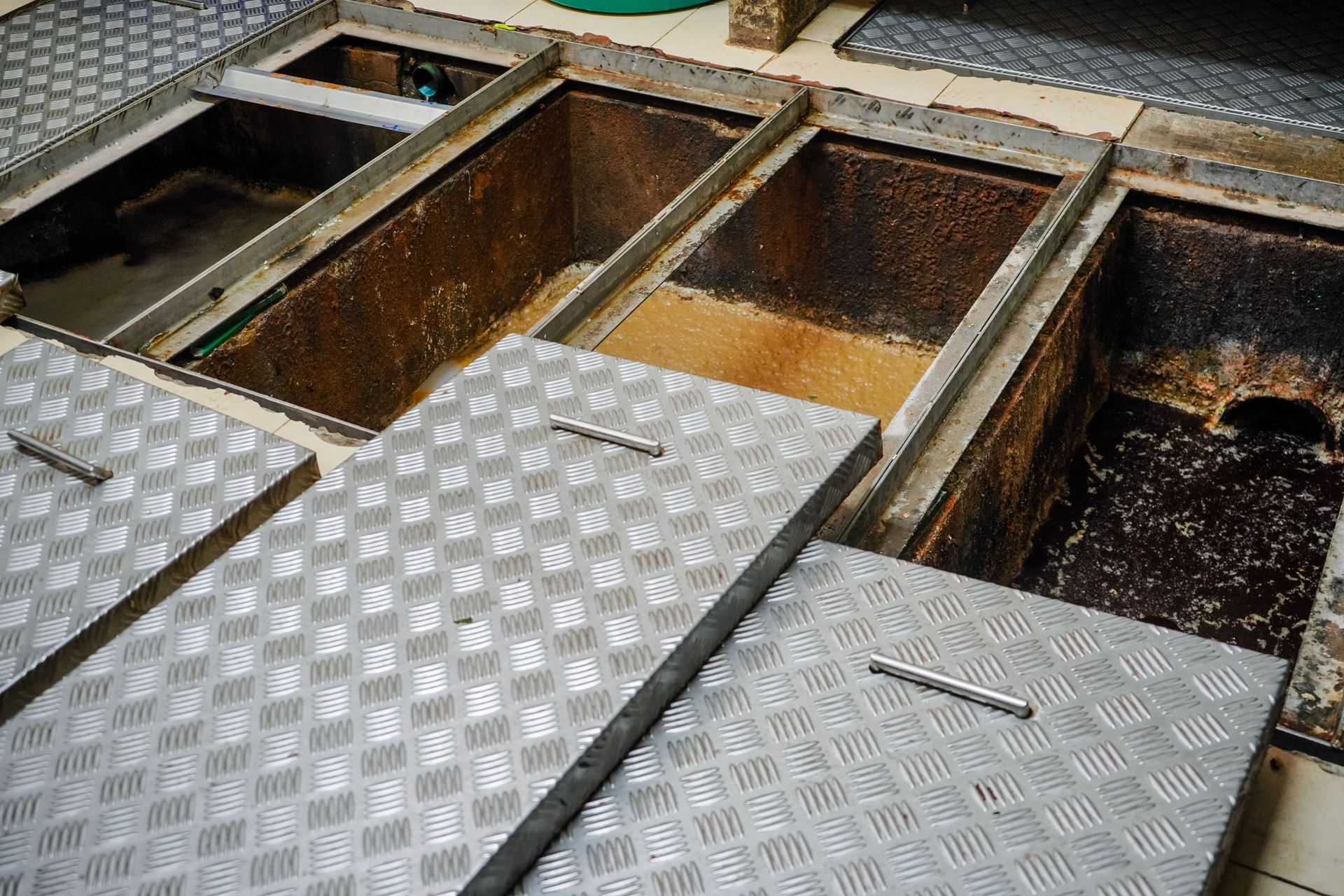
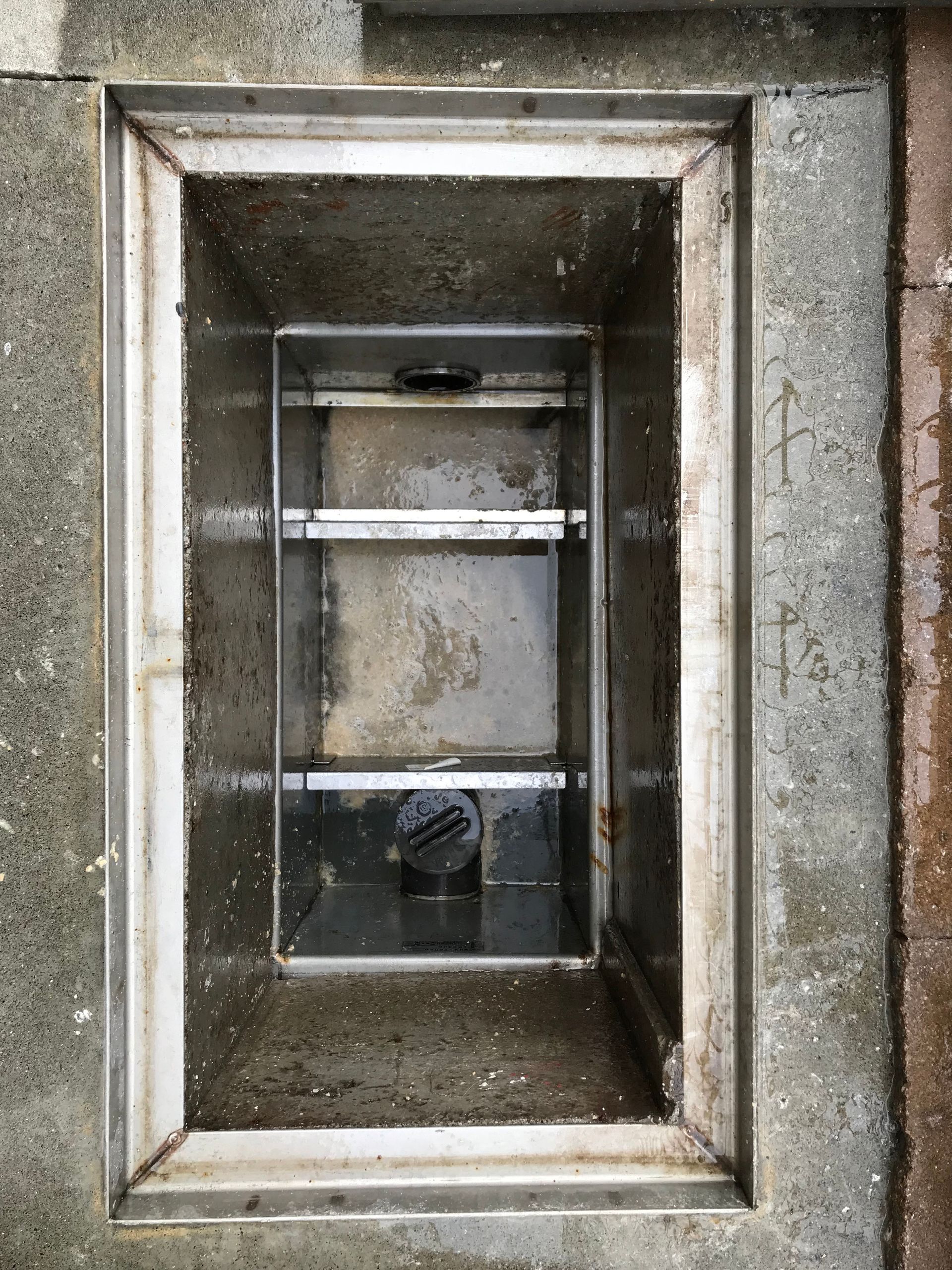
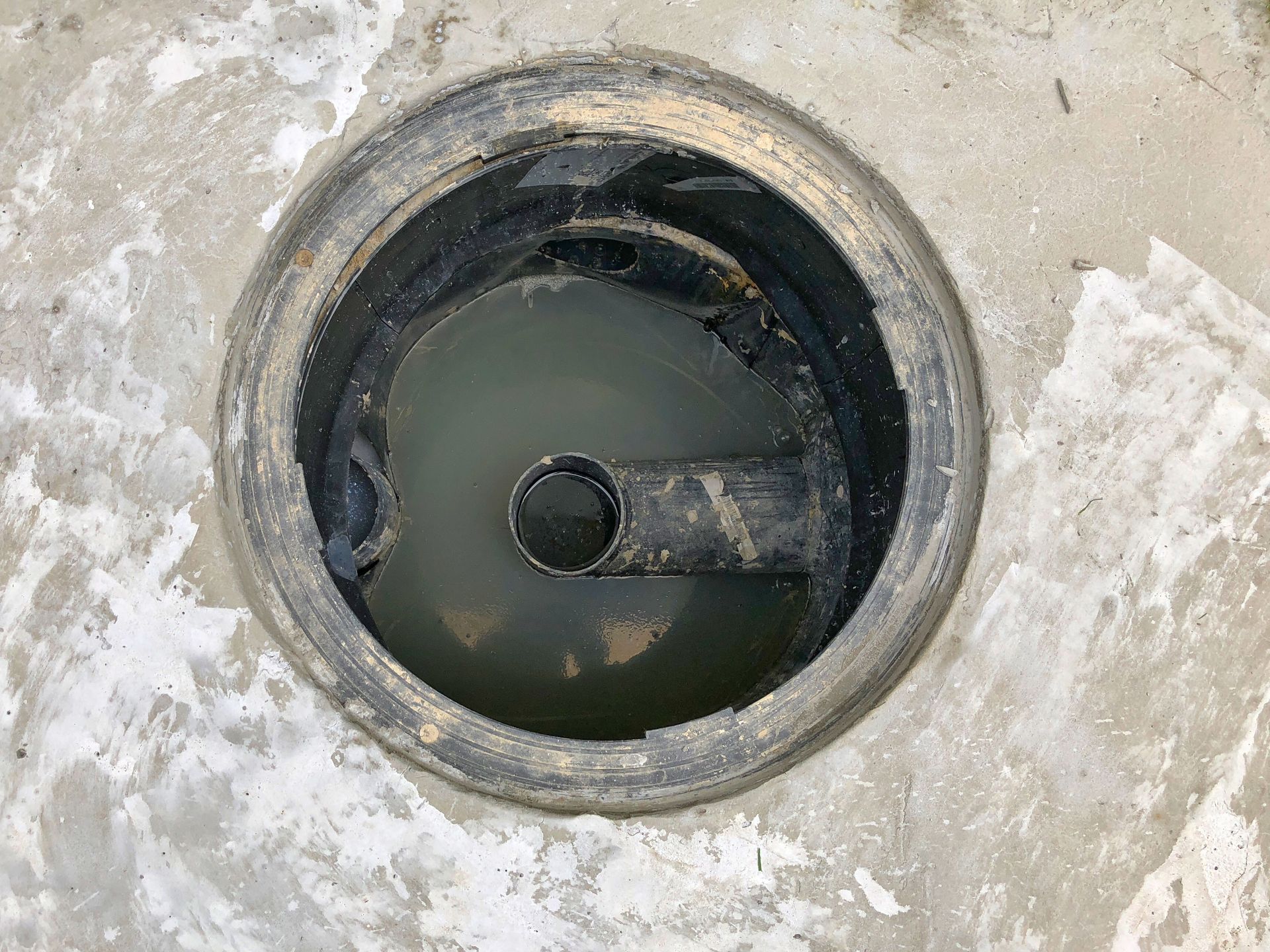
Automated grease tanks have become a vital upgrade for commercial kitchens seeking cleaner, safer, and more efficient operations. As food service businesses continue to expand their menus and increase production, the volume of grease byproducts grows right alongside. Managing that grease effectively is no longer optional—it’s a core part of maintaining compliance, protecting plumbing, and ensuring day-to-day workflow stays uninterrupted. Modern systems offer both consistency and convenience, helping kitchens avoid the costly consequences of improper grease handling.
In addition to operational improvements, automated grease tanks offer a long-term solution that reduces manual labor and minimizes human error. Kitchens can rely on scheduled monitoring, automated separation, and consistent collection to maintain optimal function without constant oversight. According to NYC Environmental Protection, even small amounts of grease can harden inside pipes and reduce wastewater flow by up to 25%, increasing the likelihood of blockages in commercial kitchens. This demonstrates why automated systems are becoming the standard in responsible kitchen management, delivering both efficiency and peace of mind.
The Growing Importance of Modern Grease Management
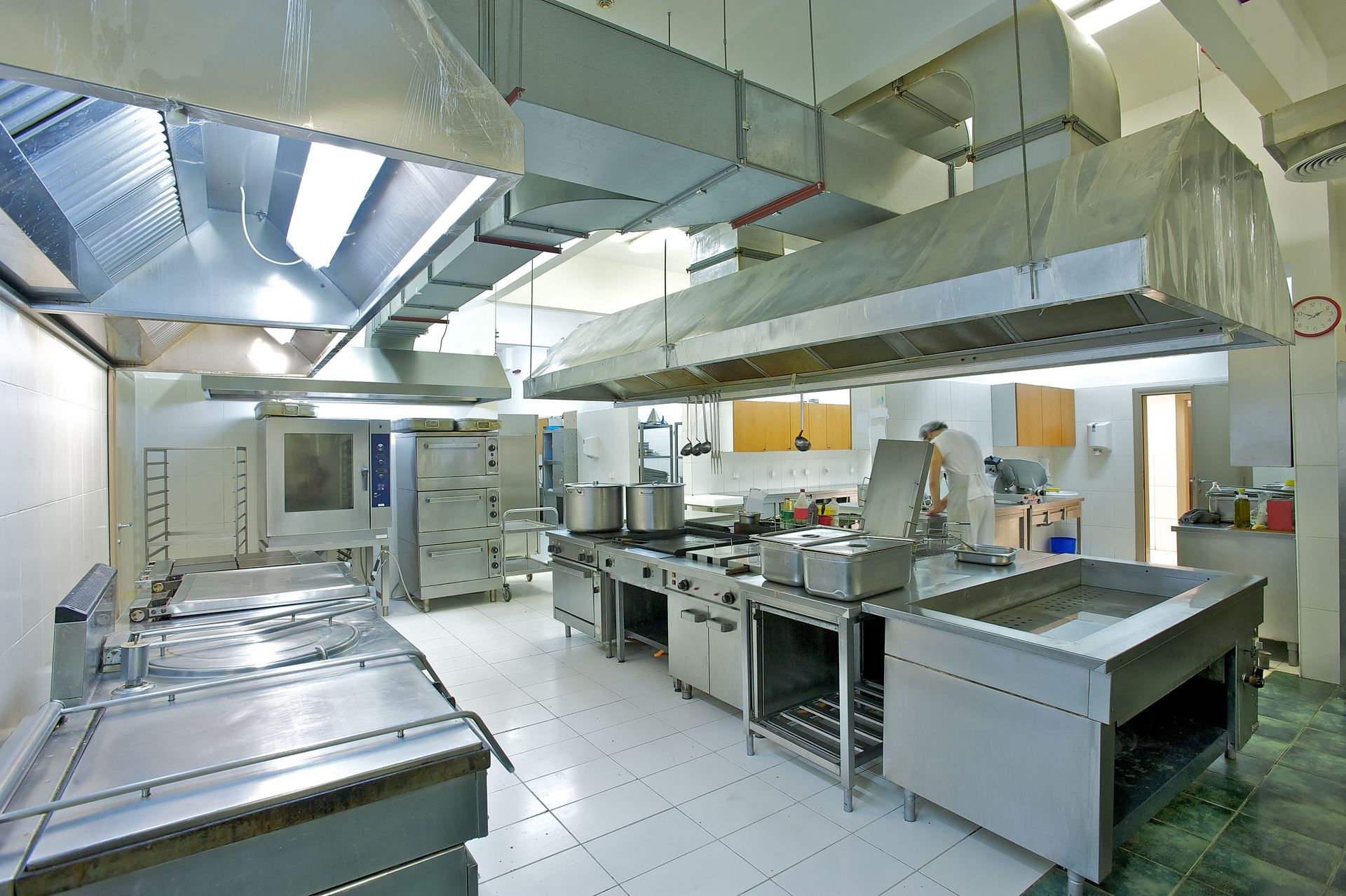
Modern commercial kitchens rely on advanced systems to manage fats, oils, and grease effectively, ensuring consistent performance and compliance with strict environmental regulations. As restaurants, cafeterias, and food production facilities expand their operations, the demand for efficient grease solutions has never been higher. Traditional methods often fall short due to rising volumes and stricter industry standards, making updated approaches critical for smooth operation. This has prompted many businesses to integrate automated grease tanks into their workflow, allowing for better waste control, improved hygiene, and reduced labor burdens. These innovations support cleaner kitchens, safer plumbing systems, and more predictable maintenance schedules, helping food service establishments focus on customer service rather than costly plumbing issues.
Automation also provides a level of consistency that traditional grease management methods cannot match. With automated grease tanks, kitchens benefit from continuous monitoring and scheduled processing, ensuring that grease is removed before it can accumulate and cause issues. This reduces the likelihood of backups, foul odors, and unexpected system failures—all of which can disrupt service and lead to costly downtime. By maintaining steady control over grease output, businesses can stay compliant with health codes and wastewater regulations without relying solely on manual intervention.
Additionally, integrating automated grease tanks into a commercial kitchen supports long-term sustainability goals. Many systems are designed to separate and store grease more efficiently, making recycling and responsible disposal easier to manage. This not only limits environmental impact but also positions food service businesses as proactive participants in waste reduction efforts. As regulations evolve and environmental responsibility becomes an industry expectation, these systems help establishments stay ahead of the curve while protecting their infrastructure and enhancing day-to-day operations.
Expert Guidance and Professional Maintenance Support
Professional grease service providers play an essential role in helping commercial kitchens remain compliant while minimizing operational disruptions. Their expertise allows businesses to identify early warning signs, such as slow drainage or foul odors, before they escalate into expensive repairs. Because grease buildup can occur even in kitchens with diligent cleaning practices, having professionals on standby ensures long-term system performance. They not only maintain equipment but also advise on best practices for preventing blockages and improving disposal habits. By incorporating automated grease tanks into routine maintenance recommendations, experts help food service operators streamline internal processes while reducing human error and extending system lifespan.
Problem Diagnosis and Efficient System Troubleshooting
Accurately diagnosing grease-related issues requires specialized knowledge, as many symptoms appear subtly before becoming major problems. Technicians trained in grease system behavior can quickly pinpoint clogs, line obstructions, or improperly functioning components that may go unnoticed by staff. Early intervention is crucial, especially in high-volume kitchens where even a brief downtime can disrupt operations and impact revenue. According to NYC Environmental Protection, even small amounts of grease can harden inside pipes and reduce wastewater flow by up to 25%, increasing the likelihood of blockages in commercial kitchens. This makes ongoing support essential, particularly for businesses relying on automated grease tanks to handle continuous daily output. Prompt diagnosis and corrective action keep kitchens operating efficiently and protect plumbing systems from serious damage.
Diverse Options for Eco-Friendly Grease Collection
The push toward environmentally responsible kitchen operations has led many facilities to rethink how they handle waste. Grease collection systems now prioritize sustainability, offering solutions that reduce chemical usage, support recycling initiatives, and limit wastewater contamination. Food establishments can choose from various system designs that best suit their kitchen layout and cooking volume. Automated grease tanks are increasingly favored for their ability to minimize waste and promote cleaner disposal methods. In addition, many of these systems allow collected grease to be repurposed for biofuel production or other eco-friendly applications, turning a common waste byproduct into a renewable resource. This shift benefits the environment while enhancing public perception of the businesses that adopt greener practices.
High-Quality Tools, Equipment, and Grease System Accessories
Reliable grease management goes beyond the tank itself—it relies on durable accessories, effective cleaning supplies, and tools built to handle heavy commercial use. Kitchen operators benefit from equipment that not only supports daily workflow but also aligns with long-term sustainability goals. High-quality components help maintain system integrity and reduce breakdowns, especially in fast-paced environments. Many suppliers now offer upgraded pumps, reinforced piping, and advanced monitoring devices designed to integrate seamlessly with automated grease tanks for improved performance. These tools increase operational efficiency, reduce the risk of user error, and simplify routine maintenance. With stronger equipment, commercial kitchens can keep pace with rising demand while ensuring their grease systems remain dependable.
Environmental Impact and Community Benefits
Beyond their operational value, modern grease management systems contribute meaningfully to local ecosystems and community health. By preventing grease from entering municipal pipelines, kitchens help reduce sewer overflows, protect waterways, and support the functioning of public sewer infrastructure. Grease recycling programs extend these benefits even further, turning collected oils into usable materials that support sustainability efforts. Kitchens that prioritize effective waste control not only comply with regulations but also reinforce their commitment to environmental responsibility. Automated grease tanks offer a reliable way to minimize pollution risks and ensure waste is processed correctly, strengthening a business’s reputation within the community. These efforts demonstrate that responsible management practices can coexist with commercial success.
Streamlined Operations and a Better Kitchen Environment
Efficient grease handling contributes to smoother kitchen workflows, reducing the likelihood of unpleasant odors, tank overflows, or emergency service calls. When a grease system functions correctly, staff can focus on food preparation without the added stress of plumbing issues or unsanitary conditions. Automated grease tanks support this streamlined environment by managing waste without constant manual intervention, providing predictable results and minimizing downtime. Kitchens that invest in updated systems benefit from a cleaner workspace, improved staff morale, and fewer disruptions during peak service hours. This leads to a safer, healthier environment for employees and customers alike while supporting long-term operational stability.
Maintaining a clean, efficient, and compliant commercial kitchen requires a proactive approach to grease management, from early problem detection to long-term system care. Modern solutions such as automated grease tanks offer reliable, hands-off performance that supports cleaner operations and reduces the risk of costly plumbing emergencies. With the right systems and expert guidance, businesses can protect their infrastructure, support sustainability efforts, and ensure consistent productivity. To strengthen your kitchen’s efficiency and safeguard your plumbing, contact Brooks Grease Service today for dependable maintenance, expert support, and customized grease management solutions.