March 2, 2026
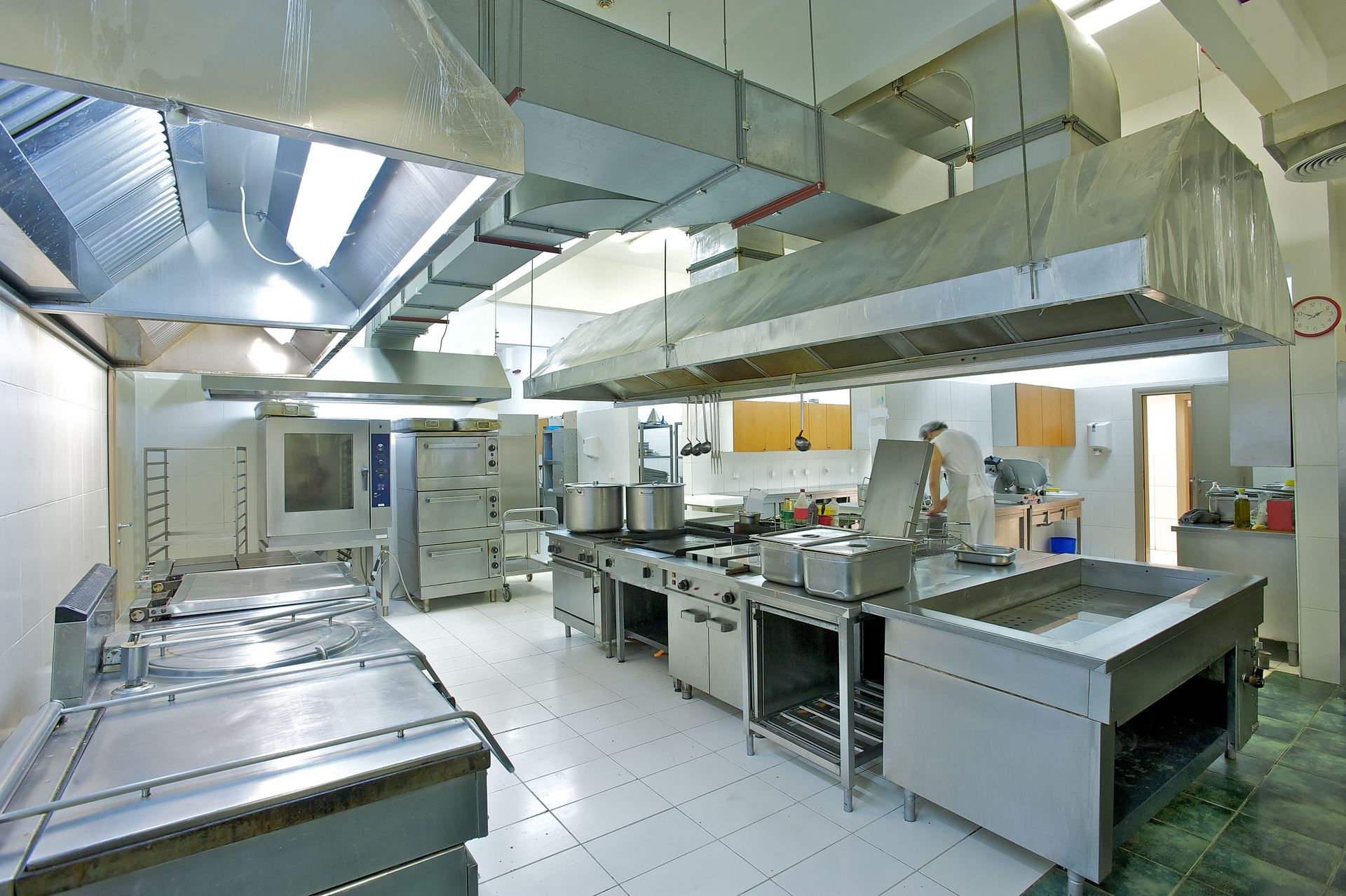
Proper maintenance plays a quiet but critical role in how smoothly a commercial kitchen operates. Behind the scenes, systems designed to manage waste protect plumbing infrastructure, support sanitation standards, and prevent costly disruptions. Among these, grease management equipment stands out as one of the most important yet often overlooked components. Without routine attention, fats, oils, and grease can accumulate quickly, leading to operational challenges that affect everything from daily workflow to long-term compliance. Understanding why upkeep matters helps kitchen managers take proactive steps that protect both their business and the surrounding environment. Consistent maintenance also supports smoother inspections and reduces the likelihood of unexpected service interruptions.
Prevent Costly Plumbing Disruptions
A
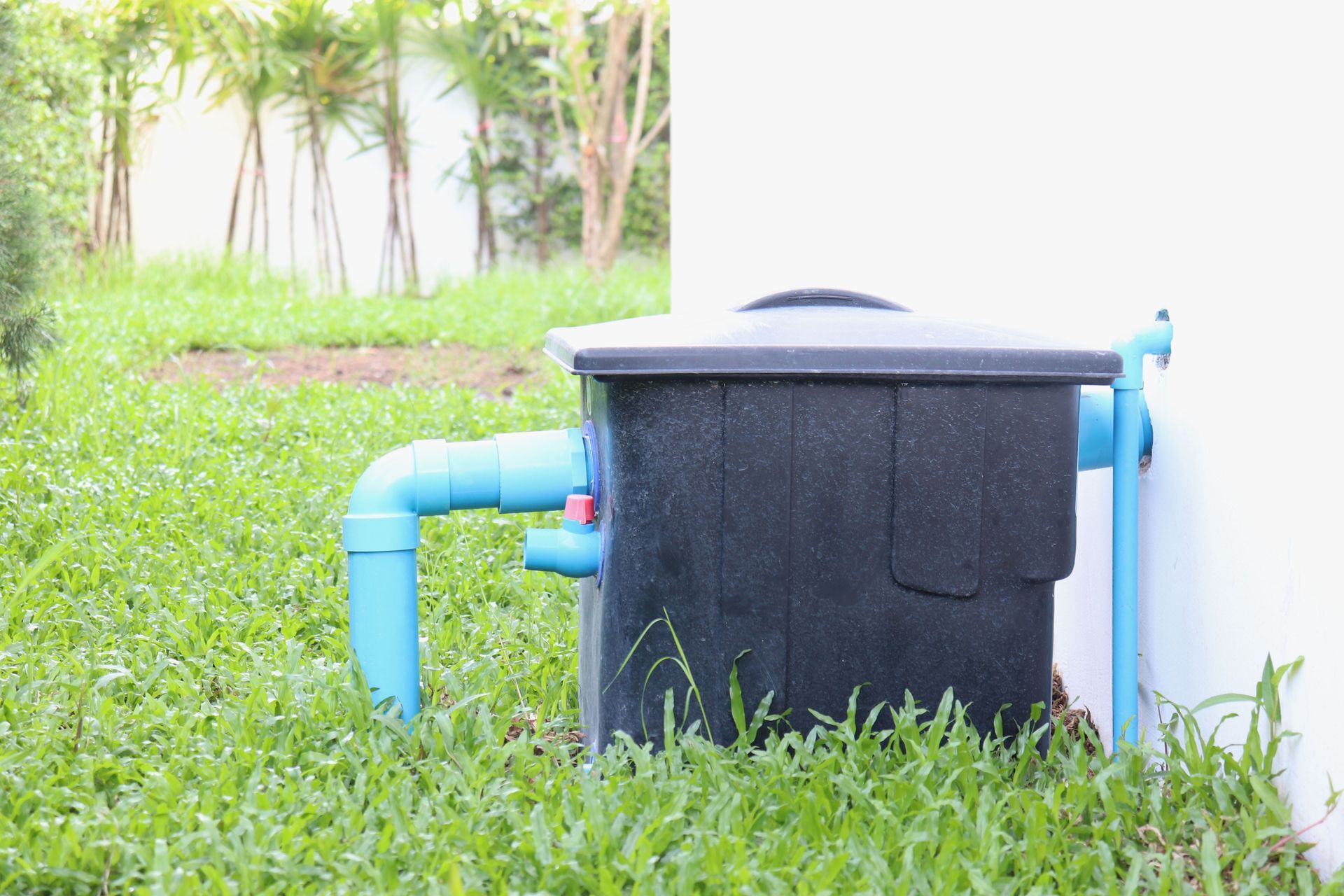
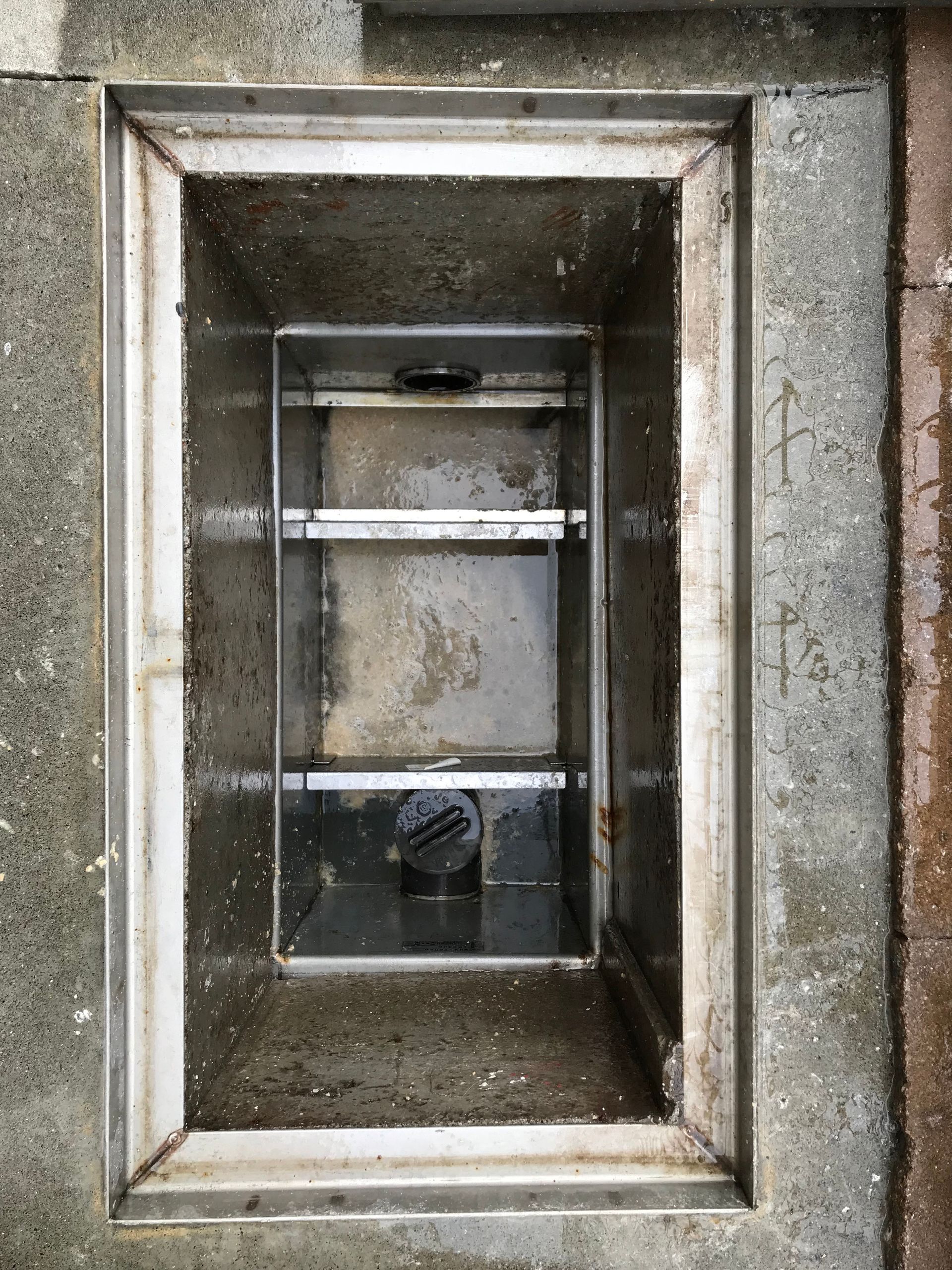
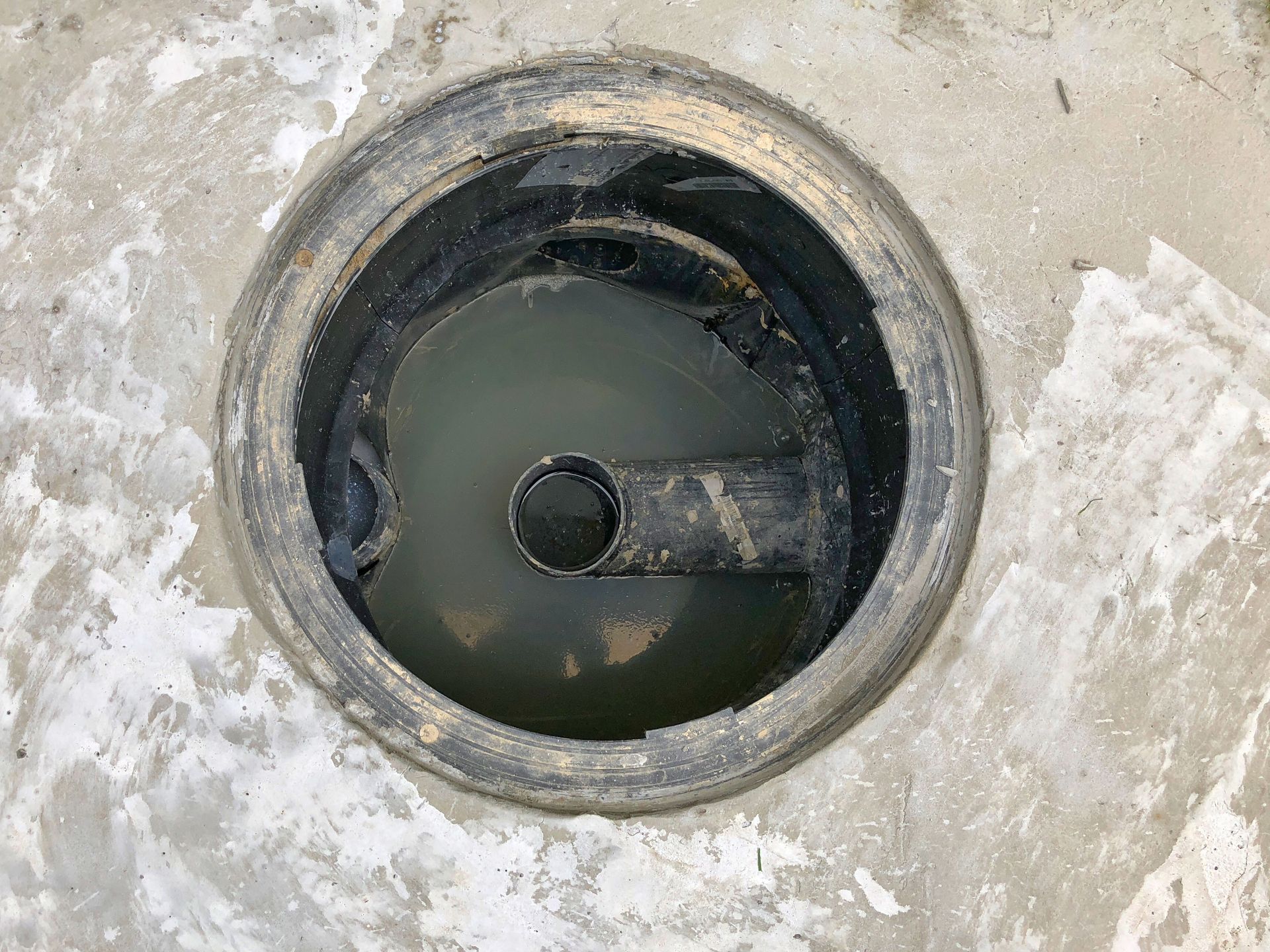
commercial grease trap serves as the first line of defense against fats, oils, and grease entering wastewater systems. When this equipment is not maintained regularly, buildup can harden and create stubborn blockages within plumbing lines. These clogs do not develop overnight; instead, they form gradually as residue accumulates from daily cooking activities. Over time, even small deposits can restrict water flow and lead to slow drainage, backups, or complete pipe obstructions.
Such plumbing issues often disrupt kitchen operations at the worst possible moments, such as peak service hours. Emergency repairs not only create stress but can also require temporary closures, resulting in lost revenue. Preventive maintenance reduces the likelihood of these interruptions by ensuring grease is removed before it becomes a serious hazard. Keeping systems clean allows water to flow freely, which helps kitchens operate consistently without unexpected downtime.
Maintain Efficient System Performance
When a commercial grease trap is cleaned routinely, it continues functioning at optimal efficiency. Proper performance depends on maintaining adequate capacity so that wastewater can separate effectively from grease before entering the sewer system. Once the trap becomes overloaded, separation becomes less effective, allowing fats and oils to pass through and create downstream problems.
Routine maintenance supports consistent performance by preventing excessive accumulation. According to the Certified Commercial Property Inspectors Association, grease traps should be cleaned when 25% of the volume is occupied by grease. Following this guideline ensures the system retains enough space to function correctly. By maintaining this balance, kitchens avoid efficiency losses that can affect multiple fixtures and appliances connected to the plumbing system.
Support Health And Safety Compliance
Regulatory compliance is a major concern for commercial kitchens, and grease management plays a significant role in meeting health standards. A neglected commercial grease trap can lead to unsanitary conditions that may result in violations during inspections. Overflowing or malfunctioning systems can produce foul odors, create contamination risks, and attract pests, all of which are red flags for health authorities.
Routine servicing demonstrates a commitment to sanitation and responsible operations. Maintaining clear records of cleaning schedules, inspections, and maintenance activities also helps businesses prove compliance during audits. This proactive approach reduces the risk of fines, penalties, or forced closures, allowing establishments to focus on serving customers instead of addressing regulatory issues.
Protect The Environment From Pollution
Environmental stewardship is another important reason to maintain grease management systems. A properly functioning commercial grease trap prevents fats, oils, and grease from entering municipal wastewater systems. Without this barrier, grease can accumulate in sewer lines and eventually contaminate local waterways.
Environmental contamination poses risks to ecosystems, wildlife, and public health. Grease buildup can also strain municipal treatment facilities, increasing operational costs for communities. By maintaining their systems responsibly, food service businesses contribute to broader sustainability efforts. Preventing pollution helps protect natural resources while demonstrating a commitment to responsible environmental practices.
Improve Kitchen Hygiene Conditions
Cleanliness within a commercial kitchen affects employee morale, customer perception, and food safety outcomes. A neglected commercial grease trap can become a source of strong odors that spread throughout the facility. These unpleasant smells create uncomfortable working conditions and may affect dining experiences if they reach customer areas.
Regular cleaning prevents odor buildup by removing decomposing grease before it begins to break down. It also reduces bacterial growth, which can pose health risks if left unchecked. Maintaining hygienic conditions supports staff productivity and helps businesses uphold high sanitation standards. A cleaner environment promotes efficiency and contributes to a more professional atmosphere overall.
Reduce Long-Term Operational Costs
Preventive maintenance often proves far more cost-effective than reactive repairs. When a commercial grease trap is neglected, the resulting plumbing damage can require extensive cleaning, pipe replacement, or emergency service calls. These unexpected expenses can place a significant strain on operational budgets. Establishing a routine service schedule helps businesses plan ahead financially while minimizing the risk of sudden, high-cost disruptions.
Routine maintenance reduces the likelihood of major failures by addressing issues early. Consistent cleaning schedules help extend the lifespan of equipment and connected plumbing systems. By investing in regular service, businesses avoid costly disruptions while maintaining predictable operating expenses. Over time, this proactive approach supports financial stability and reduces unnecessary spending.
Enhance Sustainability Through Recycling
Many grease management programs include opportunities to recycle collected waste materials. Maintaining a commercial grease trap ensures that grease is captured in a usable form that can be repurposed rather than discarded. This collected material is often converted into biofuel or other energy resources. As a result, businesses not only reduce environmental impact but also contribute to a more sustainable, circular approach to waste management.
Recycling initiatives help reduce environmental impact while contributing to renewable energy production. Businesses that participate in these programs demonstrate a commitment to sustainability, which can strengthen their reputation among environmentally conscious customers. Turning waste into a valuable resource also supports broader efforts to reduce dependence on fossil fuels.
Strengthen Business Reputation And Community Relations
Clean, well-maintained facilities reflect positively on any business. A properly serviced commercial grease trap helps prevent issues that could negatively affect neighboring properties, such as sewer overflows or unpleasant odors. By managing waste responsibly, businesses show respect for the surrounding community. This proactive approach also demonstrates accountability and helps build stronger relationships with nearby businesses and local authorities.
Maintaining high operational standards also supports strong customer trust. Patrons are more likely to return to establishments that prioritize cleanliness and environmental responsibility. Consistent maintenance demonstrates professionalism, reliability, and attention to detail, all of which contribute to a positive brand image and long-term customer loyalty. Over time, these positive impressions can translate into stronger word-of-mouth referrals and a more competitive market presence.
Proper grease management supports nearly every aspect of commercial kitchen operations, from regulatory compliance and environmental protection to financial efficiency and workplace hygiene. Regular cleaning helps prevent disruptions, protects plumbing infrastructure, and ensures systems function as intended. Businesses that invest in proactive maintenance create safer, more efficient environments for employees while preserving positive relationships with customers and their communities. Over time, this consistent attention also helps organizations plan maintenance budgets more accurately and avoid sudden operational surprises.
At Brooks Grease Service, we are committed to helping your operation run smoothly with dependable, responsive grease management solutions. Our team provides automated grease tanks, commercial grease traps, grease trap cleaning, and cooking oil recycling backed by same-day availability, multi-service discounts, and 24/7 emergency support. Based in Wichita, Kansas, and proudly serving the Central United States and Northern Texas, we work closely with our clients to create maintenance plans that keep systems compliant, efficient, and hassle-free. When you need reliable service you can count on, we are ready to deliver the support your business deserves.