October 5, 2026
Running a successful commercial kitchen requires constant management of high-volume waste streams, thermal demands, and strict health department mandates. Beneath the bustling prep lines and dishwashing stations lies a critical infrastructure designed to capture cooking oils, solid food particles, and rendered fats before they escape into public sewer networks. When a wastewater disposal system begins to fail, the early warning signs almost always manifest as lingering sour odors or sluggish drainage across sink basins. A neglected commercial grease trap can quickly shift from an unobtrusive mechanical necessity to a serious health code violation that threatens daily operations. According to Wind River Environmental’s 2025 guide, neglected maintenance is a leading cause of grease-trap overflows, making pump-outs necessary every one to three months depending on a facility's overall kitchen output. Establishing a reliable maintenance protocol shields your facility from unexpected operational halts. Understanding these baseline operational requirements enables restaurant management to budget accurately for preventative utility upkeep.
Identifying Mechanical Mechanisms Behind Fats and Oils Separation
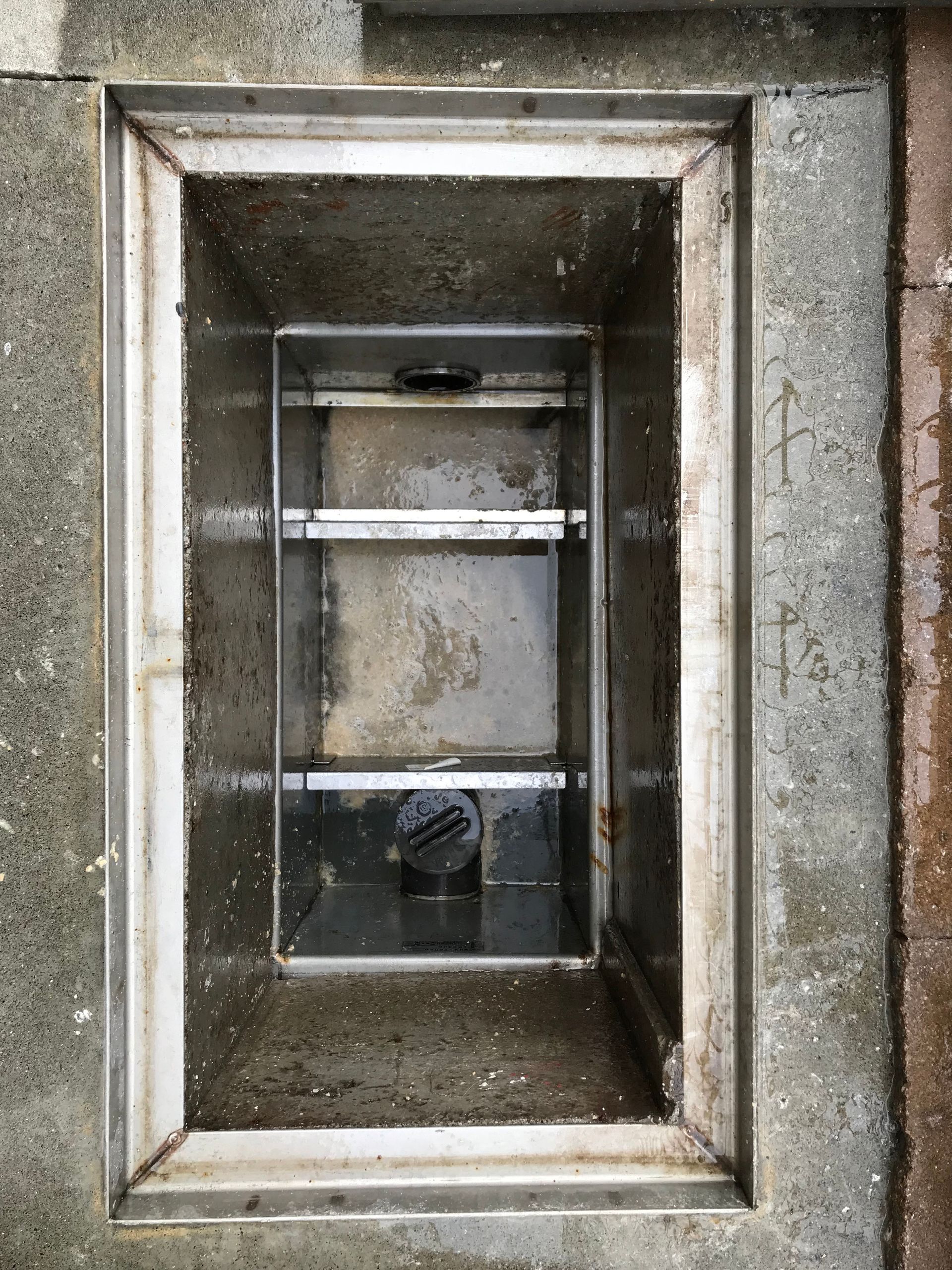
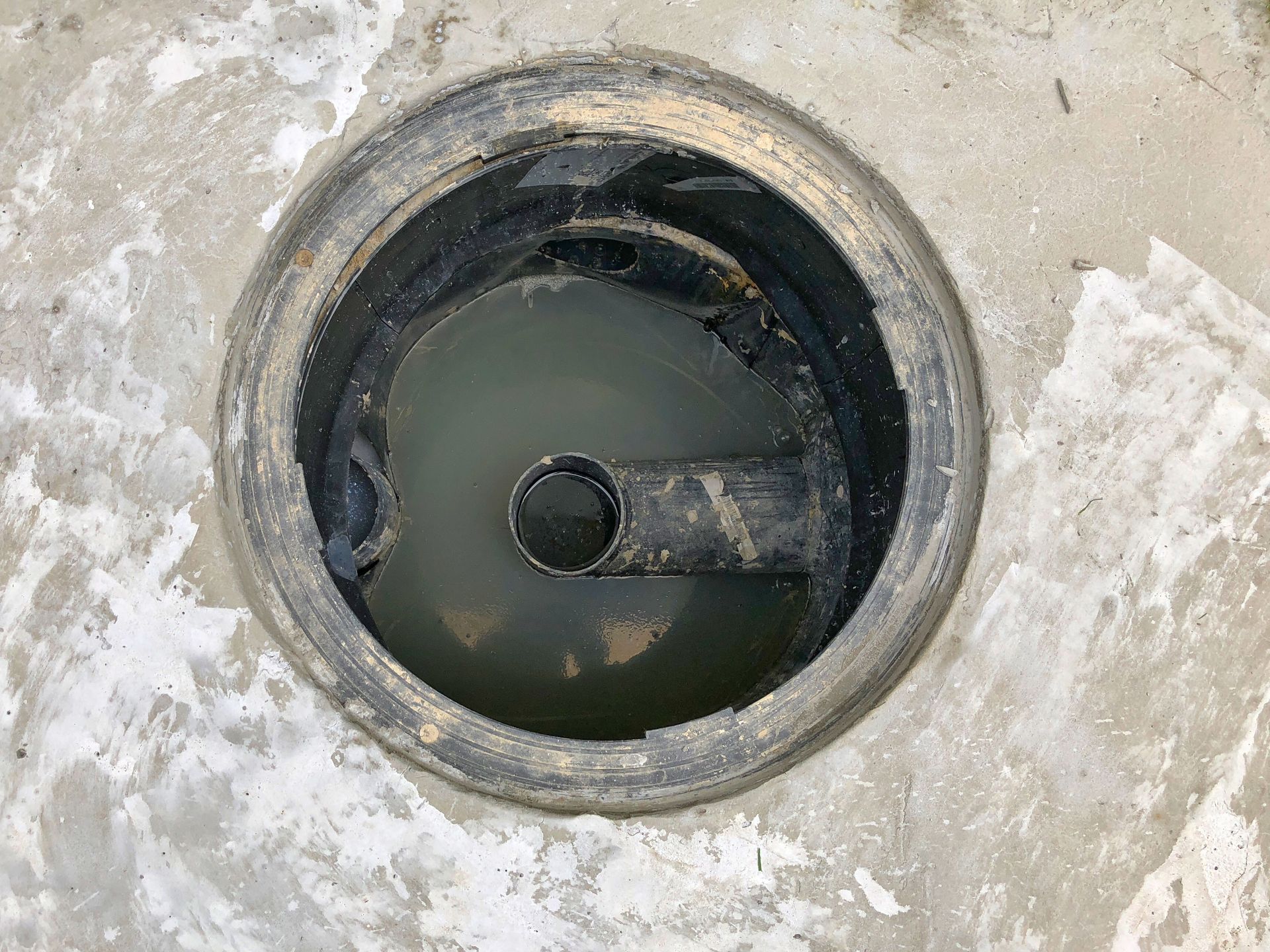
Grease interceptors rely on basic thermodynamic principles and gravity separation to purify kitchen wastewater before discharge. As hot, greasy water flows down prep sink drains, it enters the interceptor chamber where flow diffusers slow the water velocity significantly. As the wastewater cools, lighter fats, oils, and grease rise to the upper liquid surface while heavy food particles settle onto the tank floor. A functional commercial grease trap retains these separated waste layers inside baffled compartments, allowing clean water underneath to flow freely into municipal main lines. When maintenance is delayed, accumulated grease layers become too thick, allowing floating fats and bottom sludge to escape directly into facility plumbing pipes. Understanding this simple gravitational cycle helps kitchen operators recognize why regular maintenance is mandatory for continuous plumbing performance.
Evaluating Root Causes of Unpleasant Kitchen Odors and Sewer Backups
Pungent, persistent odors near dishwashing areas or floor drains usually indicate organic decomposition occurring inside stagnant waste interceptors. As trapped animal fats and plant oils sit undisturbed, anaerobic bacteria colonize the grease cap, releasing volatile sulfur compounds and rancid hydrogen sulfide gases into surrounding rooms. These foul vapors travel backward through floor drains and sink traps whenever water seals dry out, or pressure fluctuations occur within building vent stacks. Arranging timely service for your commercial grease trap removes rotting biological solids before nauseating gases compromise dining room air quality and staff working conditions. Eliminating stagnant waste reservoirs protects restaurant reputations and keeps food preparation spaces smelling fresh and sanitary. Maintaining clean air standards is essential for maintaining customer satisfaction and passing health department evaluations. Investing in routine odor prevention fosters an inviting dining atmosphere that keeps patrons returning.
Analyzing Factors Behind Slow Kitchen Drains and Main Line Clogs
Slowly draining sinks across prep stations are rarely caused by isolated pipe clogs near individual fixtures; rather, they point to downstream main line constriction. When fats and grease bypass full interceptors, they cool inside exterior underground pipes, clinging to interior wall surfaces like arterial plaque. Over weeks of continuous operation, these grease layers solidify into hardened, rock-like masses that severely narrow the effective internal diameter of main sewer lines. Servicing a commercial grease trap on a strict schedule prevents fatty effluent from coating main drain lines and creating impenetrable solid obstructions. Proactive interceptor pump-outs preserve high-volume drainage capacity, allowing kitchen crews to wash pots, pans, and tableware without standing water delays. Unobstructed plumbing allows staff to maintain high-volume meal service during peak commercial hours.
Preventing Sudden Backflows and Workplace Contamination Hazards
A complete blockage inside downstream drainage piping inevitably forces untreated wastewater back up through the lowest fixtures in the building, which are typically floor drains. When wastewater overflows onto kitchen tile, it carries concentrated bacteria, raw sewage, and rancid grease directly into food preparation and cooking zones. This level of blackwater contamination creates an immediate biohazard, requiring complete operational halts, professional hazardous material cleanup, and extensive sanitization procedures. Regularly cleaning your commercial grease trap prevents severe backflow incidents from ruining valuable food inventories, compromising sanitization standards, and putting employee safety at risk. Protecting prep floor environments from biohazardous backups ensures that your facility remains fully operational, safe, and compliant with occupational health standards year-round. Mitigating wastewater overflow risks drastically lowers the likelihood of catastrophic inventory write-offs.
Navigating Municipal Environmental Standards and Severe Regulatory Penalties
Municipal water authorities and public sewer districts enforce strict environmental standards regarding fats, oils, and grease discharge to safeguard municipal sewer infrastructure. Discharging excessive grease into public sewer mains causes massive main line blockages, fatbergs, and municipal sanitary sewer overflows that pollute local waterways. Inspectors perform random kitchen audits, examine pump-out service logs, and measure internal grease cap thickness to verify ongoing regulatory compliance. Operating an overflowing commercial grease trap can lead to immediate municipal citations, heavy daily fines, and mandatory business closures until system compliance is verified. Maintaining clear service records proves due diligence, satisfying health inspectors and shielding commercial entities from costly municipal penalties. Regulatory compliance safeguards both local municipal water systems and your business's public operating license. Demonstrating environmental compliance enhances your business's reputation within the local community.
Assessing Financial Consequences of Deferred Grease Trap Maintenance
Delaying routine interceptor maintenance may seem like a short-term cost-cutting measure, but it consistently leads to elevated operational expenses later. Emergency hydro-jetting services, emergency plumbing calls, and off-hours remediation fees cost significantly more than scheduled, quarterly maintenance pump-outs. Furthermore, grease line backups often cause localized flooding that ruins kitchen flooring, destroys drywall, and damages expensive electrical equipment beneath prep counters. Investing in a commercial grease trap care program stabilizes annual facility management budgets by replacing unpredictable emergency repair expenses with predictable maintenance costs. Protecting physical property assets and preserving continuous business operation remains the most financially sound strategy for food service establishments. Consistent maintenance expenditures eliminate the existential threat of sudden, catastrophic plumbing bills.
Managing Structural Integrity and Preventing Physical Interceptor Damage
Grease interceptors are constructed from heavy-duty materials like coated concrete, fiberglass, or polyethylene, yet they remain vulnerable to chemical erosion over extended timeframes. High concentrations of decomposing organic acids created by decaying fats can slowly pit concrete walls and corrode metallic baffle plates inside older units. Damaged baffles lose their ability to slow incoming water velocity, allowing fats to stream through the unit without proper gravitational separation. Professional technicians servicing a commercial grease trap inspect internal baffles, gaskets, and structural walls during every pump-out visit to catch early structural decay. Timely structural repairs prevent subterranean soil contamination and eliminate the need for complete, high-cost interceptor excavation and replacement. Keeping internal components structurally sound extends total equipment lifespan by decades. Early structural intervention saves business owners thousands of dollars in premature replacement labor.
Preventing frequent drain issues requires combining routine professional pump-outs with strict internal kitchen waste management practices. Food service staff should scrape all plates, cookware, and prep trays thoroughly into trash receptacles before soaking or washing them in sinks. Kitchen managers must post clear signage prohibiting staff from pouring deep fryer oil, heavy cream, or solid food scraps down floor drains or sinks. Establishing a comprehensive care schedule for your commercial grease trap ensures that unavoidable liquid fats are handled efficiently by well-maintained filtration infrastructure. Adopting disciplined kitchen hygiene habits minimizes solid waste loading, protects plumbing infrastructure, and maintains smooth commercial operations indefinitely. Contact Brooks Grease Service today to arrange your professional grease trap assessment and protect your kitchen from costly drainage failures.