March 2, 2026
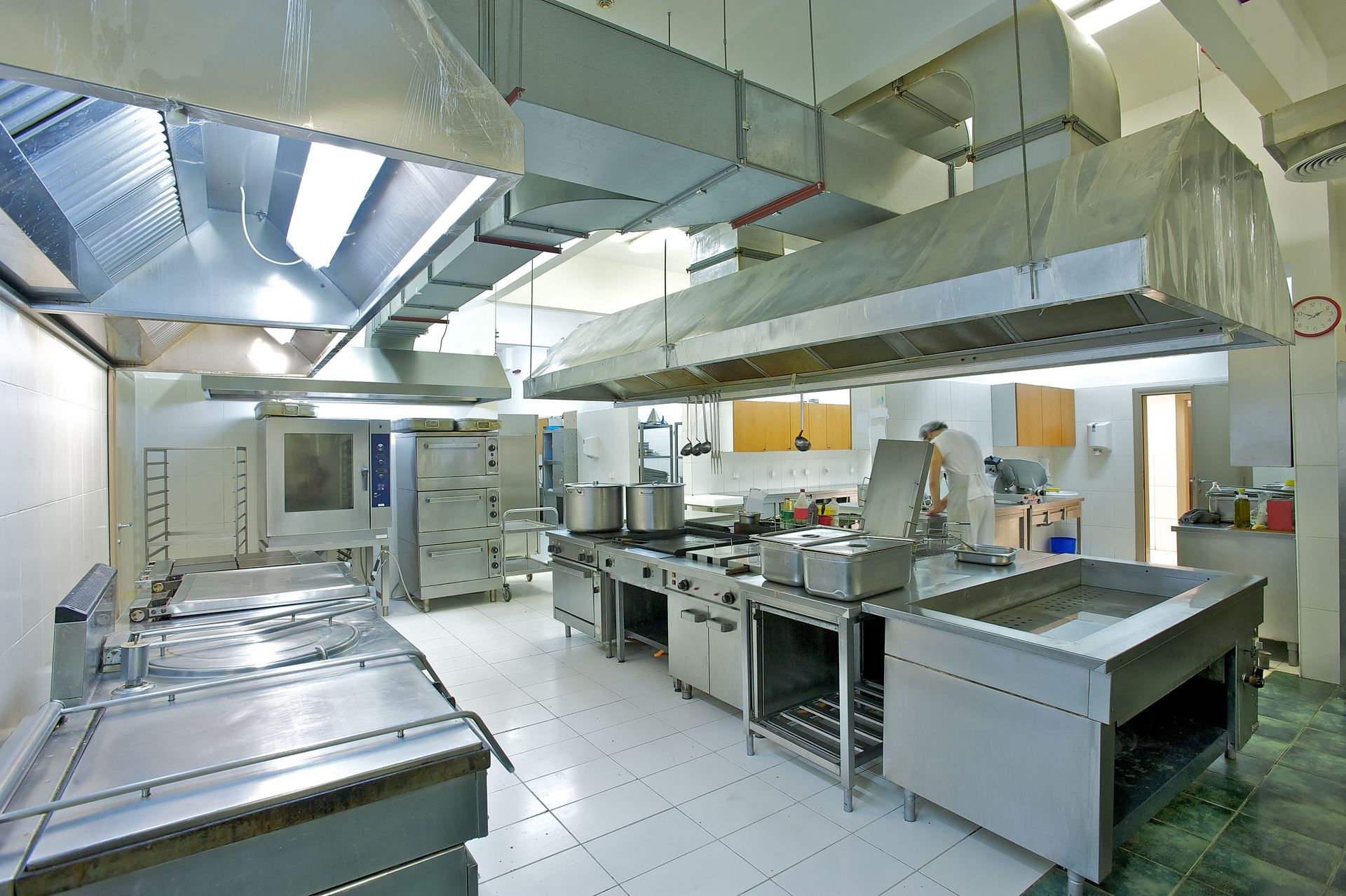
In busy commercial kitchens, maintaining an efficient plumbing system is essential for smooth daily operations. One of the most important components supporting that system is grease traps. Designed to intercept fats, oils, and grease before they enter the wastewater system, grease traps help reduce the risk of costly plumbing issues, unexpected shutdowns, and compliance concerns. Understanding how they function and how to maintain them is key to protecting both your facility and your business.
Designed to intercept fats, oils, and grease before they enter the wastewater system, grease traps help reduce the risk of costly plumbing issues, unexpected shutdowns, and compliance concerns. Without proper separation, these substances can accumulate within pipes and municipal sewer lines, increasing the likelihood of backups and overflows. Understanding how they function and how to maintain them is key to protecting both your facility and your business. A proactive approach to grease management not only supports operational efficiency but also helps extend the lifespan of your plumbing infrastructure.
Functional Grease Trap Systems
Defining Purpose and Performance
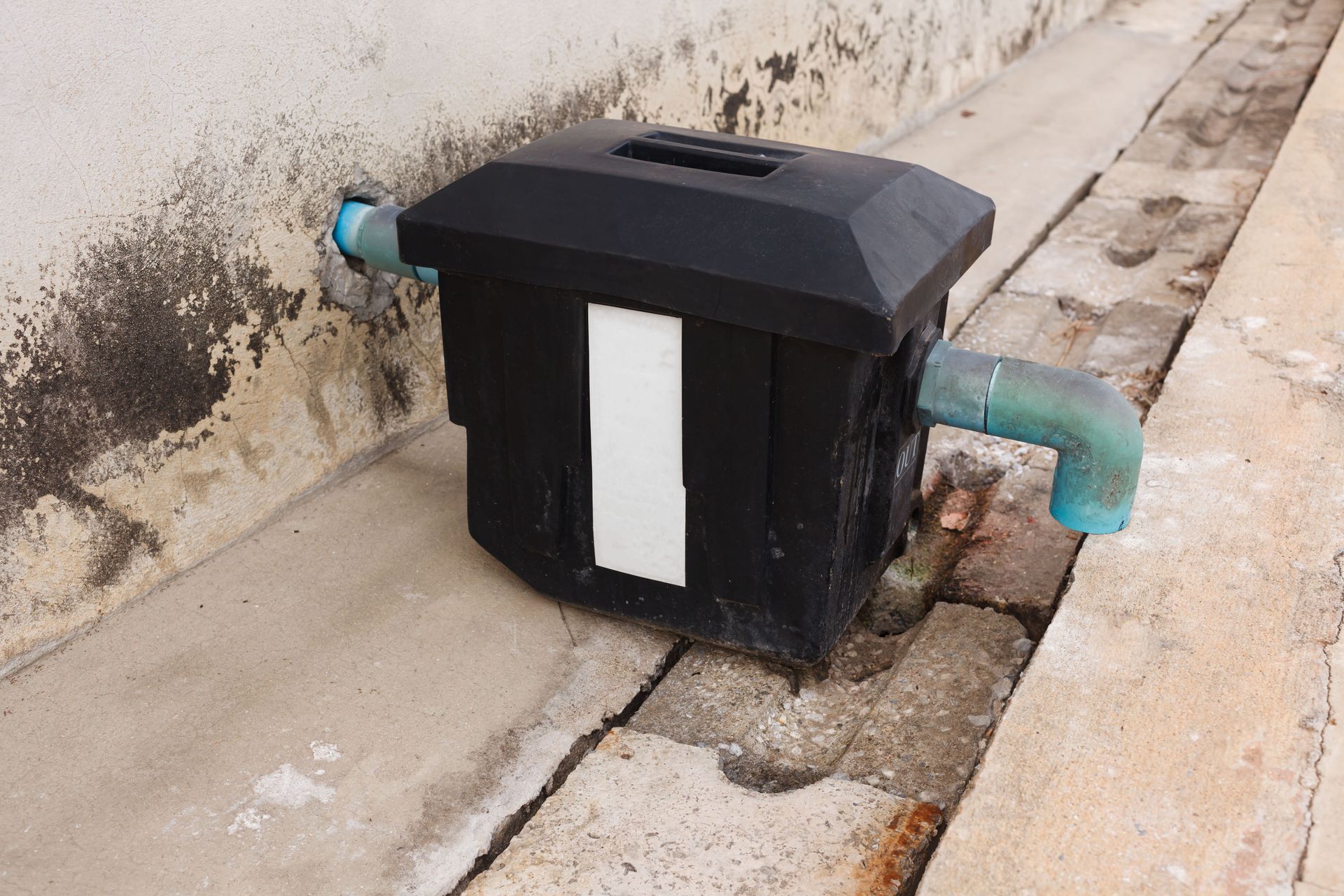
Grease traps, sometimes called grease interceptors, are devices installed within a commercial kitchen's plumbing system to capture fats, oils, and grease before wastewater flows into the municipal sewer system. When these substances enter plumbing lines untreated, they can cool, solidify, and accumulate along pipe walls, increasing the likelihood of clogs and backups. By separating grease from wastewater, these systems help protect internal plumbing and reduce strain on public sewer infrastructure.
Explaining the Separation Process
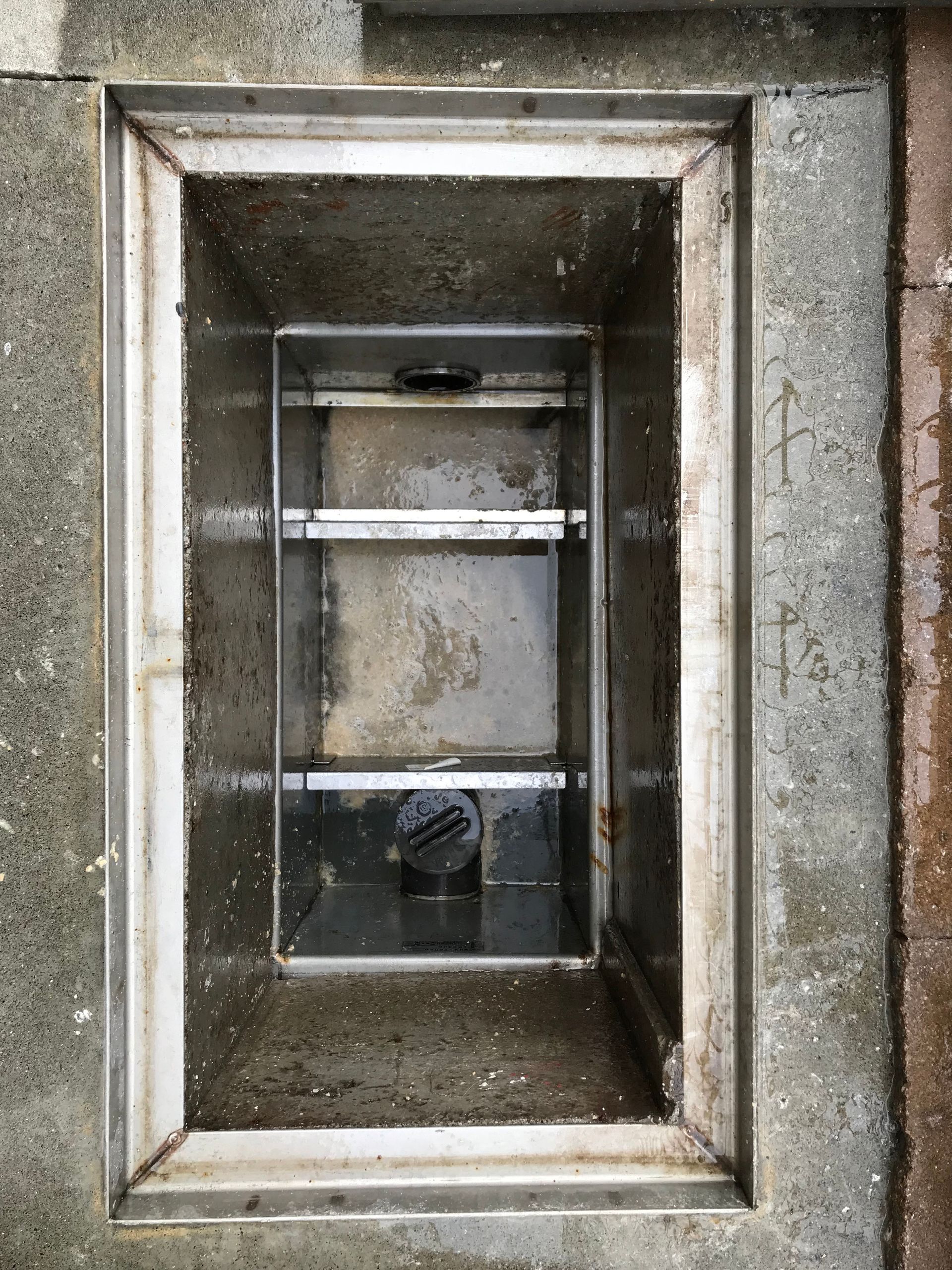
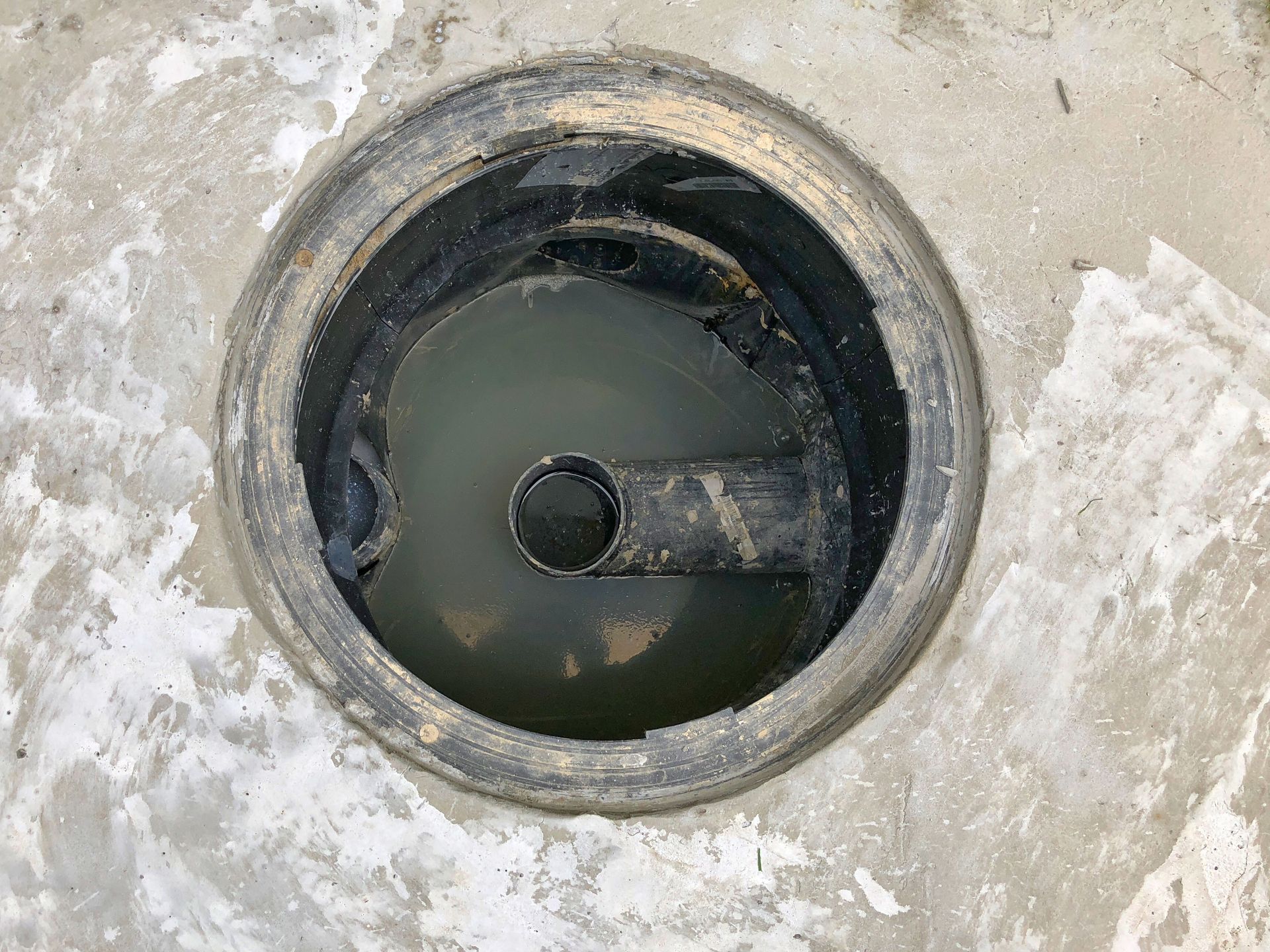
Grease traps operate using basic separation principles. As wastewater flows into the trap, the flow slows down, allowing fats, oils, and grease, which are lighter than water, to rise to the surface. Heavier food particles settle at the bottom, while the relatively cleaner water exits through the outlet and continues into the sewer system.
Over time, the collected grease and solids must be removed to ensure the trap continues functioning effectively. Without routine cleaning, buildup can reduce capacity, restrict flow, and eventually lead to backups within the facility. Consistent service helps maintain proper flow and supports overall plumbing performance.
Positioning Systems Within Plumbing Layouts
Grease traps are positioned strategically within a kitchen's plumbing layout to intercept wastewater before it exits the building. Their location allows them to capture fats, oils, and grease at the source, minimizing the chance of grease entering municipal lines. Proper sizing and consistent maintenance are essential to ensure the system performs as intended and remains compliant with local wastewater standards.
Implementing Automated Grease Tank Solutions
Some commercial kitchens utilize automated grease tank systems to streamline grease collection and handling. These systems are designed to simplify grease management and reduce manual intervention in high-volume environments. For larger operations, automated solutions can improve consistency and support ongoing compliance by maintaining controlled collection processes.
Proactive Grease Trap Maintenance
Establishing Service Schedules
Routine grease trap cleaning is essential to maintaining performance. Service frequency depends on factors such as kitchen volume, menu type, and the amount of grease produced during daily operations. High-output kitchens may require more frequent cleaning, while smaller operations may follow a different schedule based on usage patterns.
Custom maintenance plans help ensure grease traps remain within operational limits and reduce the likelihood of unexpected disruptions. Staying on schedule helps businesses avoid buildup that can compromise plumbing efficiency. Proactive scheduling also supports smoother inspections and long-term system dependability.
Identifying Warning Signs
Several warning signs may indicate that a grease trap requires attention. Slow-draining sinks, recurring clogs, foul odors near drains, or visible backups can all signal excessive grease accumulation. In some cases, grease may be observed near the trap lid or surrounding area, indicating that capacity limits have been reached.
Addressing these indicators promptly can help prevent larger plumbing issues and reduce the risk of downtime. Early intervention minimizes strain on connected lines and lowers the likelihood of emergency service needs.
Understanding Consequences of Neglect
When grease traps are not cleaned regularly, accumulated solids and fats, oils, and grease can restrict wastewater flow and increase pressure within plumbing lines. This can lead to overflows, backups, and potential service interruptions that disrupt kitchen operations. Emergency plumbing situations often result in higher costs compared to scheduled maintenance.
According to the U.S. Environmental Protection Agency, fats, oils, and grease are one of the leading causes of sewer overflows in commercial districts, making routine grease trap maintenance essential for preventing backups. Beyond operational concerns, inadequate grease management can also create sanitation issues within kitchen environments. Proactive maintenance supports cleaner facilities and smoother operations.
Performing Professional Cleaning and Line Jetting
Professional grease trap cleaning services remove accumulated grease and solids thoroughly using appropriate equipment. During service visits, technicians pump out waste, clean internal components, and assess the condition of the trap to ensure continued efficiency. This comprehensive approach helps reduce buildup that could otherwise lead to blockages.
In addition to standard cleaning, line jetting services may be used to clear grease buildup within connected plumbing lines. This high-pressure cleaning process helps restore proper flow and reduce the likelihood of recurring blockages. Combining cleaning and line maintenance strengthens overall wastewater management.
Managing Emergency Service and Documentation
Despite preventative maintenance, unexpected issues can arise that require immediate attention. Emergency grease trap services address urgent backups or blockages that threaten daily operations and sanitation standards. Rapid response helps limit disruption and restore functionality as quickly as possible.
Keeping records of service is also an important operational practice. Documented cleaning dates and maintenance details can support compliance with local wastewater requirements and assist during inspections. Organized records help businesses track service frequency and plan future maintenance effectively.
Responsible Cooking Oil and Waste Handling
Coordinating Cooking Oil Collection
In addition to grease trap maintenance, commercial kitchens must properly manage used cooking oil. Scheduled cooking oil collection services remove waste fryer oil and other used oils safely and efficiently from the premises. Dependable pickup scheduling helps keep storage areas organized and reduces the risk of spills or improper disposal.
Structured collection programs also help businesses maintain cleaner exterior areas and reduce environmental impact. Consistent service ensures oil waste does not accumulate beyond safe storage capacity.
Supporting Recycling and Environmental Responsibility
Recycling used cooking oil supports responsible waste handling practices. Collected oil can be repurposed through recycling processes, helping reduce environmental impact while maintaining clean and compliant operations. Structured recycling programs provide businesses with an organized solution for managing oil waste.
By integrating recycling into overall grease management plans, commercial kitchens can streamline waste handling procedures. Coordinated service supports operational efficiency and reinforces responsible environmental practices.
Efficient Proactive Grease Management
Maintaining Operational Consistency and Compliance
Effective grease management combines routine cleaning, proper wastewater handling, line maintenance, and responsible oil recycling. Together, these practices help reduce plumbing strain, minimize service disruptions, and maintain sanitary kitchen conditions. A structured approach also supports compliance with local wastewater guidelines.
By implementing a consistent maintenance and recycling plan, commercial kitchens can focus on daily operations with greater confidence in their plumbing systems. Coordinated service reduces unexpected issues and strengthens overall facility management.
Grease traps are essential to maintaining dependable plumbing performance and keeping commercial kitchens operating without interruption. With services that include grease trap cleaning, line jetting, emergency response, automated grease tank solutions, and cooking oil recycling, businesses can better manage wastewater and reduce the risk of costly disruptions. To explore dependable grease management solutions tailored to your operation, learn more about how Brooks Grease Service supports commercial kitchens throughout the Wichita area.