May 1, 2026
Cooking oil recycling plays a far greater role in environmental protection and resource conservation than many people realize. When used cooking oil is disposed of improperly, it can damage water systems, contaminate soil, and contribute to costly infrastructure problems. However, when it is collected and processed correctly, that same waste becomes a valuable resource that can be transformed into biodiesel, industrial products, and other sustainable materials. From environmental benefits like reduced emissions to economic advantages such as job creation and lower waste disposal costs, cooking oil recycling represents a practical step toward a cleaner, more efficient circular economy. Understanding how this process works—from collection to advanced processing—highlights why responsible disposal is so important for both communities and industries.
The Importance of Cooking Oil Recycling
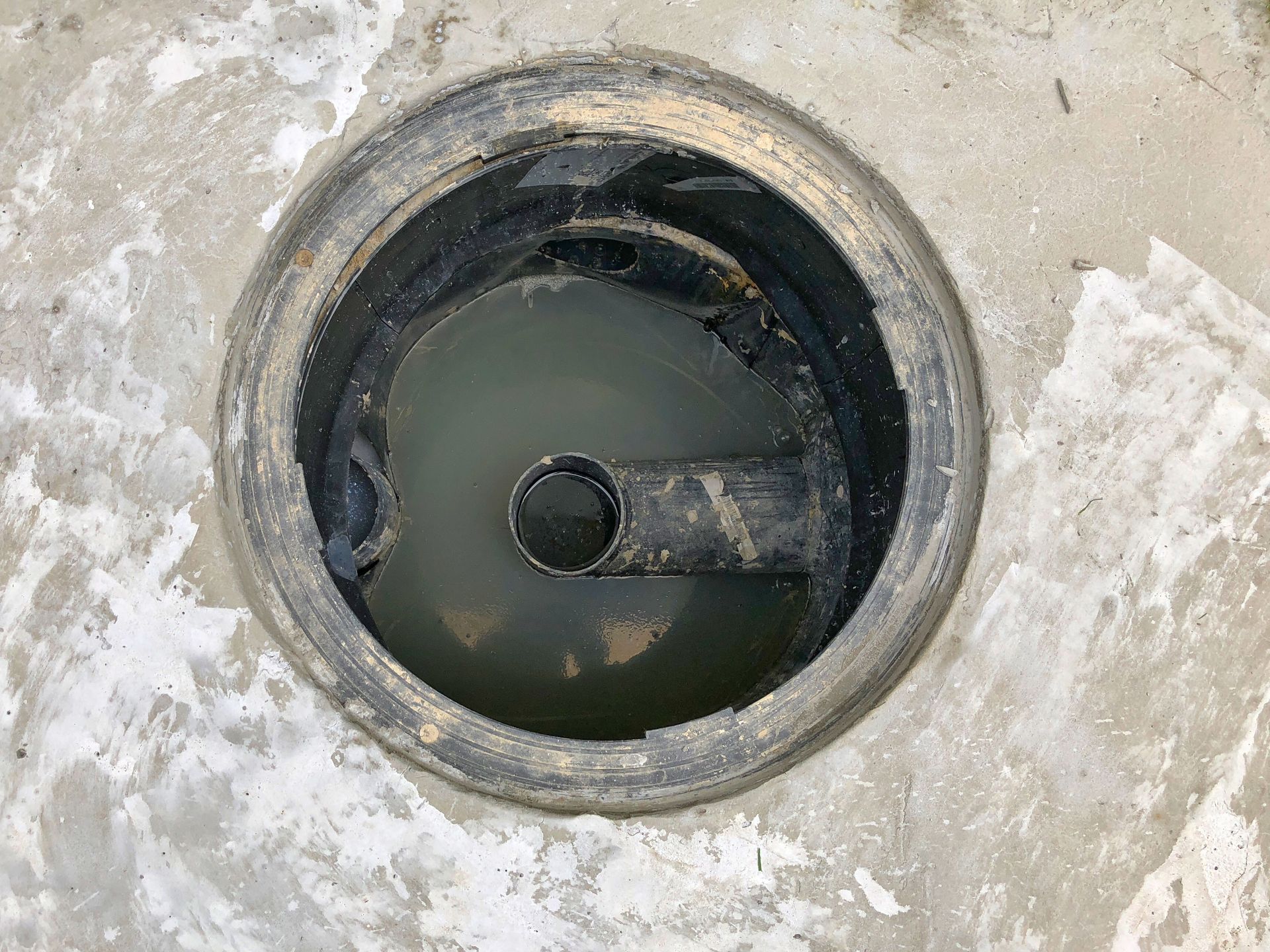
Improper disposal of cooking oil poses significant environmental threats, including water pollution and soil contamination. When poured down the drain, used cooking oil can solidify and block water systems, causing sewage overflows that pollute natural water bodies. The accumulation of oil in landfills further exacerbates environmental issues by releasing harmful toxins into the soil. However, through strategic recycling efforts, these detrimental impacts can be mitigated. Recycling used cooking oil not only prevents contamination but also repurposes waste into valuable resources.
A notable environmental benefit of recycling used cooking oil is the reduction in carbon footprint. Processes that convert used oil into biodiesel and other products contribute to lowering greenhouse gas emissions. According to industry reports, such as those from Fastmarkets, the increased utilization of used cooking oil in 2024 for renewable diesel and low-carbon fuels underscores a significant shift towards sustainable fuel sources. This transition showcases the potential of recycling in driving environmental conservation.
Moreover, recycling used cooking oil aids in conserving natural resources. By converting waste into products like biodiesel, we reduce dependency on fossil fuels, thereby conserving finite natural resources. This shift not only protects ecosystems but also aligns with global sustainability goals, fostering an environmentally resilient future. Through coordinated efforts, oil recycling cultivates a sustainable societal model where waste is transformed into environmental opportunities.
The economic implications of recycling used cooking oil are both compelling and far-reaching. By converting waste oil into valuable products like biodiesel, communities generate economic value from what was once considered waste. This conversion supports local economies by creating jobs in the recycling and renewable energy sectors. Moreover, businesses benefit financially by reducing disposal costs and potentially profiting from the sale of recycled products.
Collection and Transportation of Used Cooking Oil
The collection of used cooking oil begins with identifying and sourcing the oil from diverse locations. Common sources include household kitchens, restaurants, food processing industries, and other large-scale operations. Each source contributes distinct quantities and qualities of waste oil, necessitating tailored collection strategies. Understanding the specific characteristics and volume of oil from each source is essential for optimizing collection methods and logistics. As waste oil management gains momentum, a broader array of potential sources is identified, expanding the scope of recycling efforts.
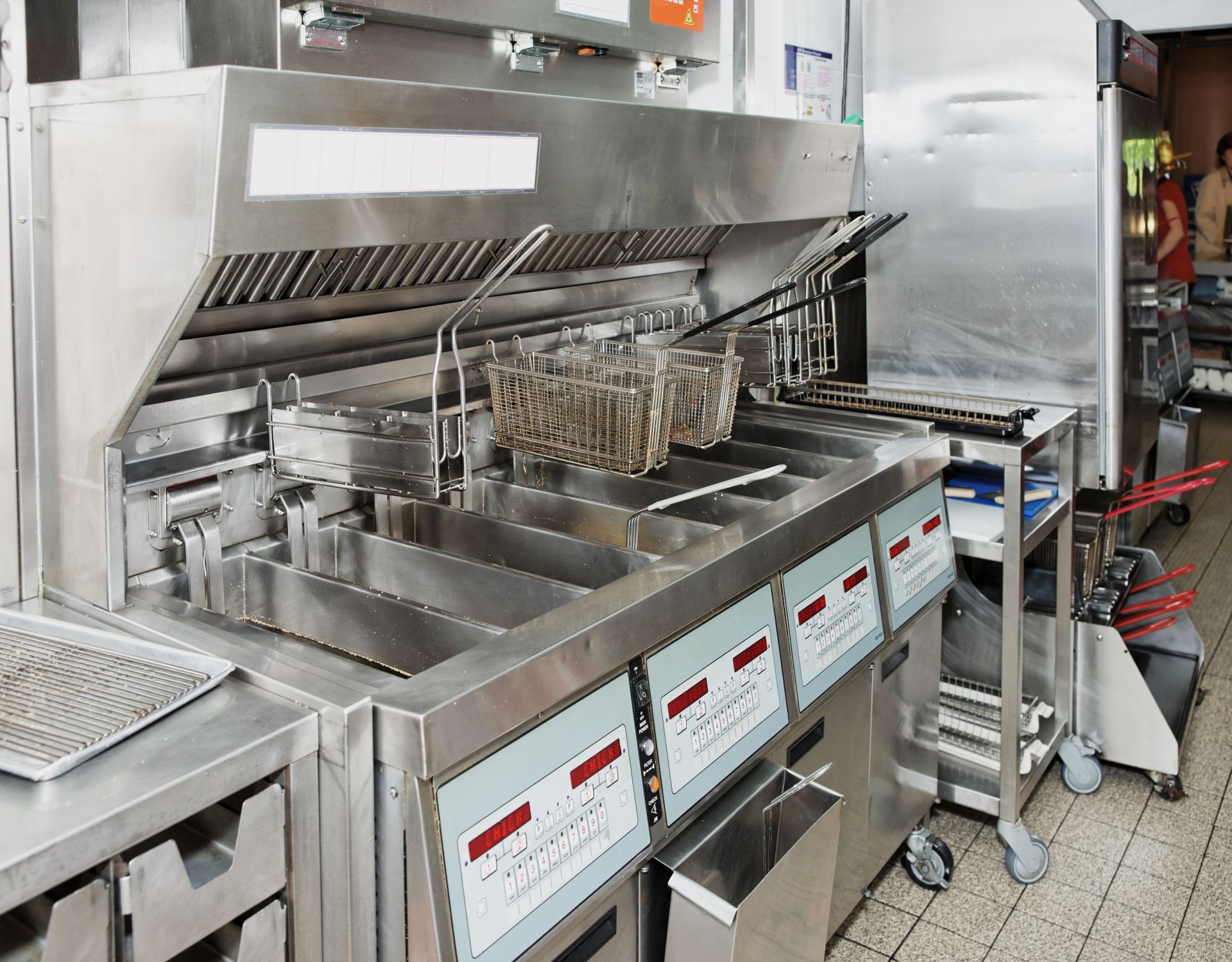
Within household kitchens, the contribution to cooking oil recycling is typically smaller in scale but significant collectively. Homeowners are encouraged to participate in community recycling initiatives by properly storing and disposing of used cooking oil. Restaurants and food industries, on the other hand, generate substantial quantities of waste oil, serving as primary suppliers for recycling programs. Collaborating with these major stakeholders enhances the efficiency and volume of collection, facilitating a more comprehensive approach to waste management.
To further optimize sourcing, partnerships with community organizations and local governments are crucial. Such collaborations enable the establishment of convenient collection points, ensuring that all potential sources of used cooking oil are accessible. By fostering a network of reliable suppliers, the supply chain for recycling is strengthened, securing a consistent flow of raw materials for processing.
Effective collection methods are vital for ensuring the successful recycling of used cooking oil. These methods encompass various approaches, including community drop-off points, collection services, and partnerships with local businesses. Community drop-off locations are strategically placed in accessible areas, allowing individuals to participate in recycling efforts conveniently. By providing multiple drop-off points, recycling programs can widen their reach, encouraging broader community involvement.
Collection services play a critical role in facilitating the gathering of used cooking oil from both households and businesses. Specialized waste management companies often offer regular pick-up services, streamlining the collection process while maintaining quality control. Utilizing dedicated containers, collection services ensure the proper handling and storage of waste oil, minimizing contamination risks. By integrating collection services into regular waste management routines, cooking oil recycling efforts become more efficient and reliable, fostering greater participation and success.
Processing Recycled Cooking Oil
The initial stage of processing recycled cooking oil involves filtration and cleaning, essential for ensuring the quality and usability of the final product. Filtration removes residual food particles, sediments, and impurities that may have been introduced during the cooking and collection process. This stage employs various filtration techniques, including mechanical filters and centrifuges, designed to capture contaminants without affecting the oil's intrinsic properties.
During the cleaning phase, additional steps ensure the removal of moisture, volatile compounds, and other undesirable elements. This purification process may involve the use of adsorbents and heat treatments to enhance the oil's clarity and stability. By meticulously cleaning the oil, recyclers transform waste into a viable resource, ready for further processing and conversion into valuable products. The cleaning stage is crucial for maintaining the oil's quality, ensuring a consistent output that meets industry standards.
Technology plays a significant role in optimizing the filtration and cleaning process. Advanced filtration systems equipped with real-time monitoring capabilities allow for precise control over contamination levels, enhancing the efficiency and output quality of the cleaning process. As demand for recycled products, such as those reported by Fastmarkets, increases, innovations in filtration and cleaning technologies become essential for scaling cooking oil recycling operations and meeting sustainability goals.
Following filtration and cleaning, recycled cooking oil undergoes chemical treatment to further refine and purify the oil for its intended applications. This stage involves the use of chemical agents to neutralize free fatty acids, reducing acidity levels, and enhancing the oil’s chemical stability. Alkaline treatment, for example, is a common method used to convert free fatty acids into soap, which is subsequently removed, resulting in a clearer, more stable oil product.
Additional chemical processes, such as degumming and deodorization, may be employed to remove gum residues and volatile odorous compounds, enhancing the oil’s aesthetic and sensory qualities. These treatments ensure that the recycled oil meets specific quality standards, making it suitable for conversion into various products, including biodiesel and industrial lubricants. By systematically refining the oil through chemical processes, recyclers maximize the utility and marketability of recycled cooking oil.
Recycling used cooking oil is a simple action with a powerful impact. By preventing environmental contamination, reducing reliance on fossil fuels, and supporting sustainable product development, this process turns everyday waste into a meaningful resource. If your home or business produces used cooking oil, now is the time to dispose of it responsibly. Partner with a local cooking oil recycling service or drop-off program to ensure it is collected and repurposed correctly. Taking this small step not only protects the environment but also supports a growing movement toward cleaner energy and a more sustainable future.