October 29, 2026
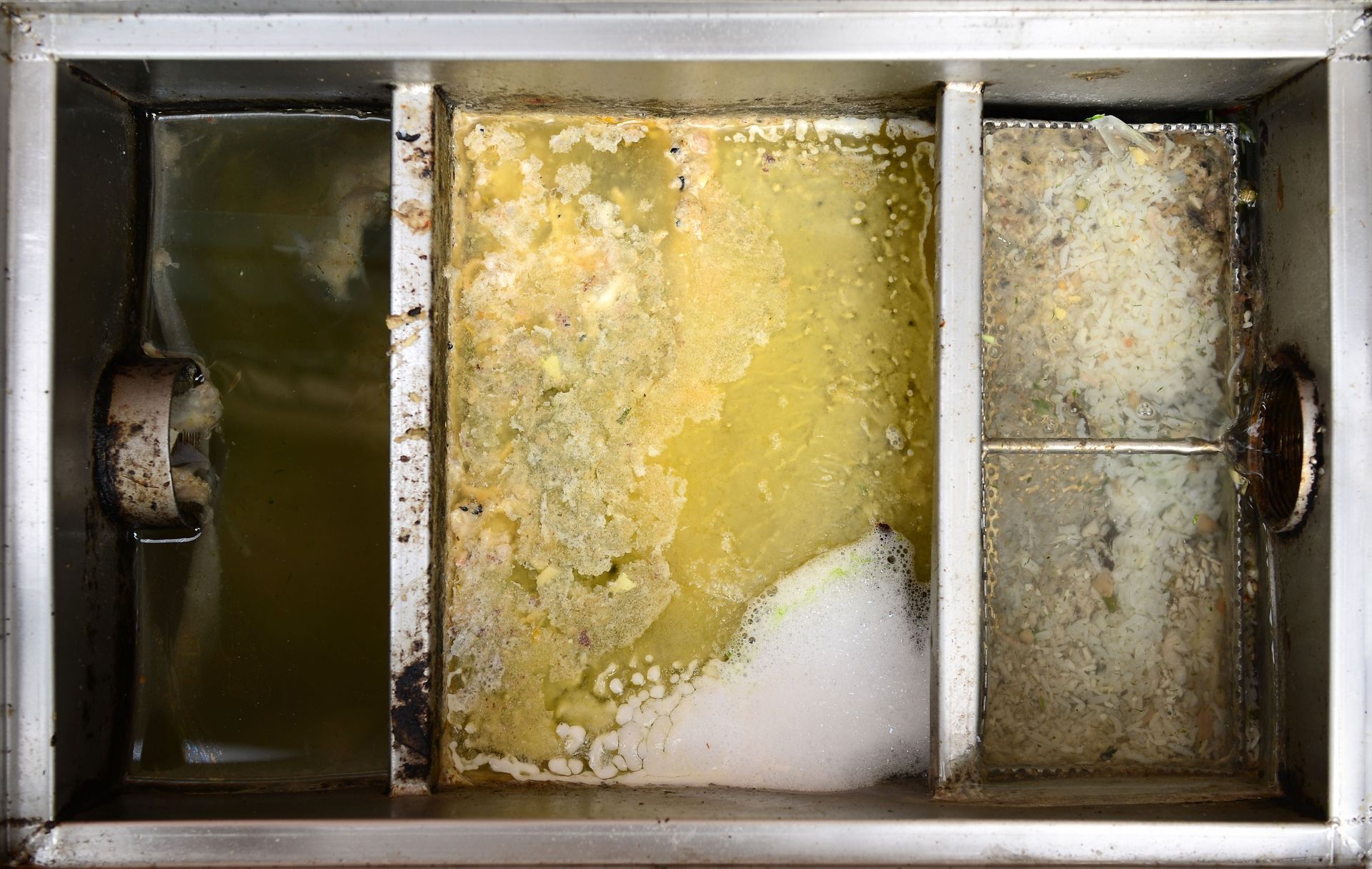
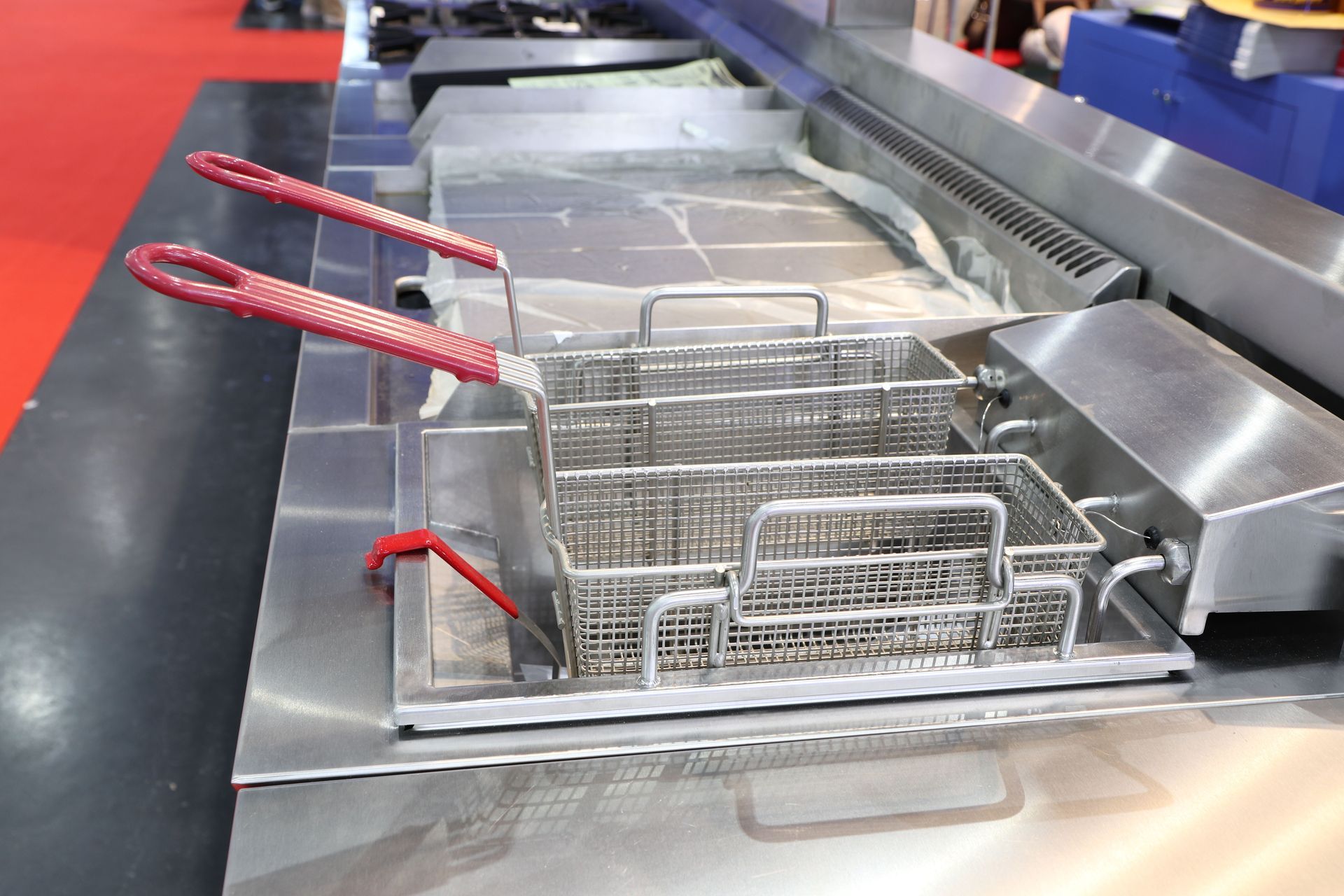
Managing kitchen waste is a significant challenge for modern food service establishments, requiring reliable solutions to maintain smooth operations. When fats, oils, and grease accumulate, they create severe complications for plumbing systems and municipal sewer lines. Addressing this issue proactively is essential for the long-term success of any culinary enterprise. Implementing advanced technology transforms how establishments handle this inevitable byproduct of food preparation. By upgrading to automated grease tanks, facilities can avoid the messy, labor-intensive process of manual waste removal. These innovative systems streamline operations, protect vital infrastructure, and offer profound peace of mind to facility managers. Understanding the diverse advantages of these modern solutions helps business owners make informed decisions about their waste management strategies. The transition from traditional, outdated methods to advanced systems yields significant improvements across various aspects of daily operations, ensuring a cleaner, safer, and remarkably more productive environment for everyone involved.
Enhancing Operational Efficiency
Time is a precious resource in any commercial kitchen, and minimizing disruptions is crucial for maximizing productivity. Traditional waste removal methods demand significant manual labor, pulling staff away from their primary culinary duties and creating unnecessary downtime. By utilizing automated grease tanks, businesses drastically reduce the time, energy, and physical effort required to manage kitchen byproducts. These modern systems operate continuously in the background, separating waste from water without requiring constant human intervention. Staff members can maintain their intense focus on preparing exceptional food and serving customers rather than dealing with unpleasant disposal tasks. The seamless integration of this specific technology into daily workflows ensures that kitchen operations remain fluid and uninterrupted during peak dining hours. When facilities completely eliminate the need for frequent manual pumping and cleaning, overall productivity naturally and measurably increases. Establishments that prioritize efficiency find that upgrading their foundational infrastructure leads to smoother service and a more focused culinary team.
Minimizing Environmental Impact
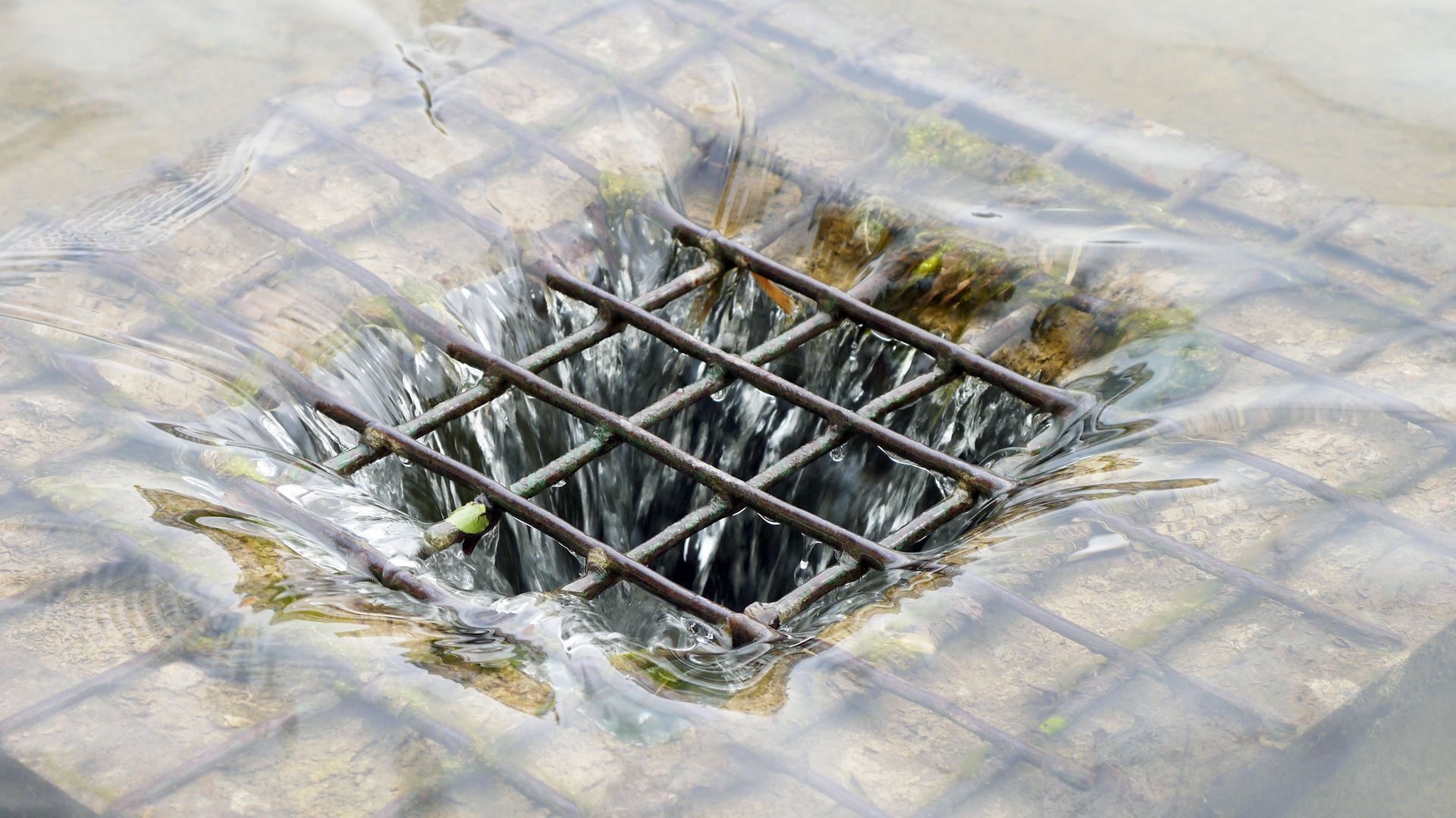
Protecting local waterways and safeguarding municipal sewer systems is a fundamental responsibility for all modern food service operators. Improper disposal methods inevitably lead to severe ecological consequences, contaminating vital water supplies and irreparably damaging fragile aquatic habitats. According to NYC Environmental Protection, even small amounts of grease can harden inside pipes and reduce wastewater flow by up to 25%, increasing the likelihood of blockages in commercial kitchens. This highlights the critical need for effective separation and rigorous containment strategies within the food service industry. Installing automated grease tanks prevents harmful, oily substances from escaping into the external environment and causing widespread ecological damage. These advanced systems capture the waste with remarkable efficiency, ensuring that only highly purified water enters the municipal sewer infrastructure. By taking proactive measures to deeply control their environmental footprint, businesses contribute directly to the health and sustainability of their local communities. Eco-conscious establishments recognize that investing in superior waste management technology is a profound investment in the planet's future.
Ensuring Regulatory Compliance
Navigating the complex landscape of local health and safety regulations is a constant, demanding priority for commercial kitchen managers everywhere. Municipalities strictly enforce precise guidelines regarding wastewater discharge to protect delicate public infrastructure from catastrophic failures. Failing to meet these stringent regulatory standards routinely results in hefty financial fines, severe legal complications, and the potential closure of the establishment. Relying on automated grease tanks provides a highly dependable mechanism for maintaining strict compliance with local, state, and federal environmental laws. These modern systems are specifically engineered to consistently meet incredibly precise separation criteria, giving health and safety inspectors absolute confidence in the facility's waste management practices. Facility managers can rest incredibly easy knowing their upgraded infrastructure actively prevents prohibited discharges from ever reaching the main sewer lines. Maintaining a flawless, documented compliance record fiercely protects the business's public reputation and long-term financial stability, making advanced separation technology an indispensable asset. Staying proactively ahead of regulatory requirements demonstrates a genuine commitment to responsible business practices and community well-being.
Reducing Maintenance Costs
Unexpected, catastrophic plumbing emergencies rapidly drain financial resources and cause exceptionally severe operational headaches for culinary enterprises of all sizes. When foundational pipes become heavily restricted by hardened waste, facilities face incredibly expensive emergency service calls, extensive structural repairs, and devastating lost revenue from forced closures. Traditional static traps frequently fail to capture all the microscopic waste, leading to a slow, gradual accumulation within the building's internal plumbing network. The strategic implementation of automated grease tanks mitigates these terrifying financial risks by virtually eliminating the actual root cause of catastrophic pipe blockages. Because these advanced systems continuously remove the problematic waste before it can ever enter the main drainage system, the internal plumbing remains perfectly clear and fully functional. Businesses successfully save incredibly substantial amounts of money over time by completely avoiding emergency plumbing interventions and significantly extending the lifespan of their foundational infrastructure. The initial financial investment in modern separation technology quickly pays for itself through drastically reduced ongoing monthly maintenance expenses. Financial predictability is an absolute cornerstone of successful business management, and reliable waste containment plays a pivotal role in achieving that stability.
Promoting Workplace Safety
Creating a deeply safe and highly hygienic environment for dedicated employees is a paramount concern for any ethical and responsible business owner. Manual waste removal tragically exposes hardworking staff to incredibly unpleasant odors, severe potential slips, and direct physical contact with highly unsanitary materials. Accidental spills during the arduous cleaning process create significant slip-and-fall hazards, which can tragically lead to serious workplace injuries and subsequent liability claims. By intelligently switching to automated grease tanks, modern establishments effectively eliminate the dreadful need for employees to interact directly with the collected, hazardous waste. The fully closed-loop nature of these brilliant systems ensures that the dangerous material remains fully and safely contained until scheduled professional servicing occurs. A significantly cleaner, profoundly safer kitchen naturally boosts employee morale and drastically reduces the likelihood of terrible accidents that could sideline essential staff members. Prioritizing worker safety through strategic technological upgrades demonstrates a deep, unwavering commitment to the holistic well-being of the entire culinary team. A safe workplace is an incredibly productive workplace, and modern containment solutions contribute directly to a secure working environment.
Streamlining Waste Management
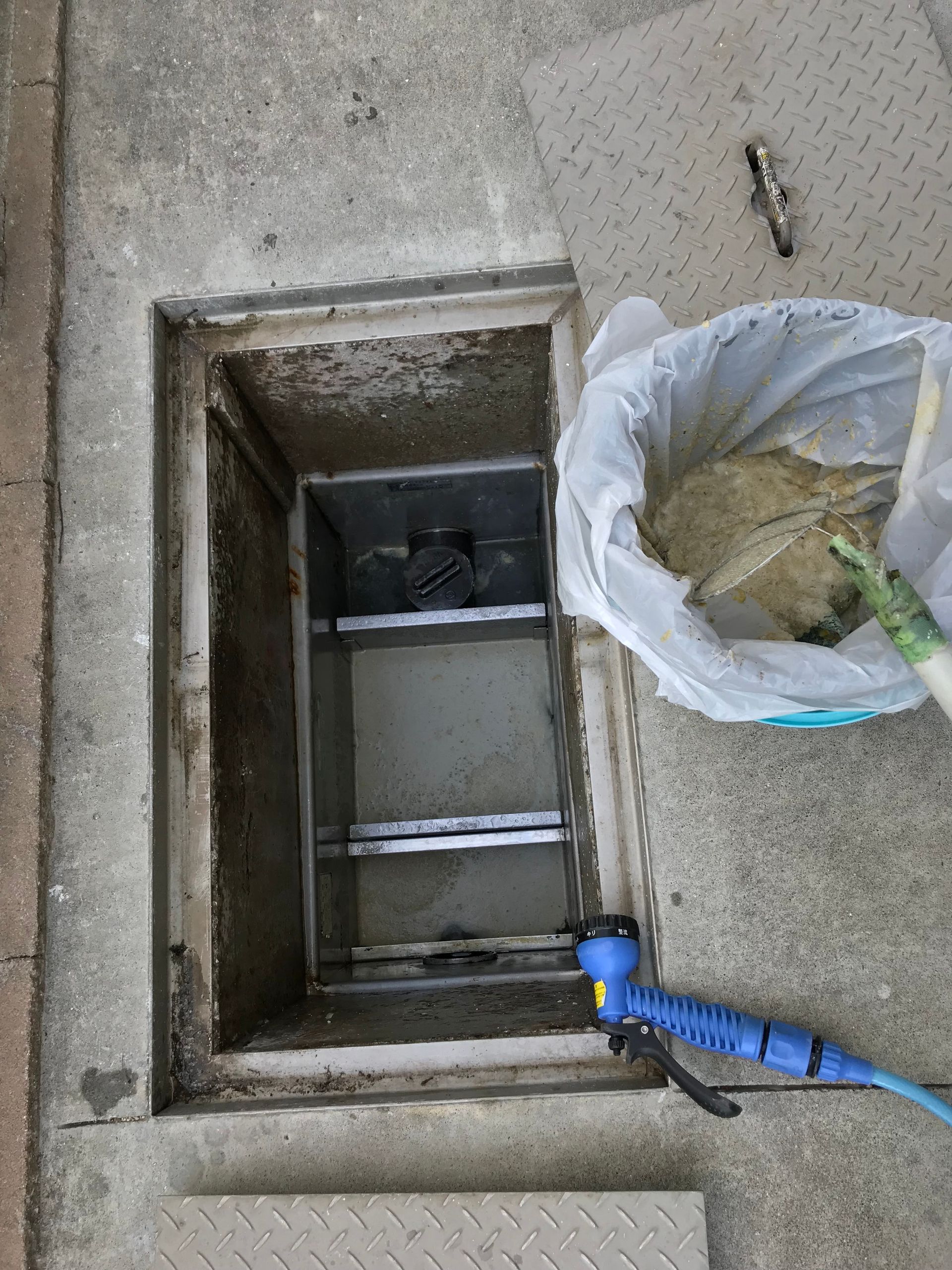
Coordinating the logistics of waste removal can be a complex and frustrating endeavor for busy facility operators. Traditional static traps routinely require frequent, unpredictable servicing schedules based solely on fluctuating kitchen volume, making it difficult to plan effectively. This unpredictability often leads to overflowing traps, foul odors, and urgent calls for emergency pumping services at the worst possible times. Utilizing automated grease tanks transforms this chaotic process into a highly organized, seamless, and predictable routine. These modern systems actively skim and carefully isolate the waste into completely separate, easily manageable external containers that require significantly less frequent attention from staff. The predictable nature of the collection process allows managers to precisely schedule professional servicing at convenient, off-peak times, rather than reacting to messy emergencies. Simplifying the logistical challenges associated with waste removal allows facility management to fully focus their energy on core business operations and customer satisfaction. A well-organized facility consistently operates with a high level of professionalism that reflects positively on the entire organization.
Upgrading your commercial kitchen infrastructure is a vital step toward securing long-term operational success and demonstrating environmental responsibility. Implementing modern, efficient separation solutions protects your internal plumbing, ensures compliance with local regulations, and creates a safer environment for your dedicated staff. The financial savings realized through reduced maintenance needs and avoided plumbing emergencies make these advanced systems a smart investment for any food service establishment. Taking proactive measures today prevents the costly and disruptive complications that inevitably arise from relying on inadequate waste management practices. Facilities that embrace advanced containment technology immediately position themselves as industry leaders in both operational efficiency and environmental sustainability. Call Brooks Grease Service today to learn more about optimizing your commercial kitchen's crucial waste management infrastructure.