July 31, 2026
Restaurants, cafeterias, food courts, and other commercial kitchens produce large amounts of fats, oils, and grease during everyday cooking and cleaning. If these materials enter the plumbing system without proper control, they can harden inside pipes, restrict wastewater flow, create unpleasant odors, and contribute to costly backups. Local health departments and wastewater authorities may also enforce strict requirements for grease management, making routine care an important part of operating a compliant food-service business.
Professionally cleaning and maintaining commercial grease traps helps businesses reduce preventable plumbing problems while supporting safer and more efficient kitchen operations. A dependable service plan can remove accumulated waste, identify damaged components, improve recordkeeping, and help managers prepare for inspections. Understanding the value of regular maintenance makes it easier to protect the facility, avoid unexpected shutdowns, and reduce the risk of fines connected to improper grease disposal.
Following Local Grease-Management Requirements
Municipalities and wastewater agencies often establish rules for how food-service businesses capture, store, and dispose of grease. These requirements may specify the type of interceptor needed, how often it should be serviced, and which records must be available during an inspection. Because standards vary by location, restaurant owners should understand the rules that apply to their property rather than relying on general assumptions or a schedule used by another business.
Professional technicians are familiar with common compliance expectations and can help managers create a service routine that reflects local regulations and actual kitchen use. They can also provide documentation showing when commercial grease traps were pumped, cleaned, inspected, and returned to service. Accurate records demonstrate responsible maintenance and may help a business respond more confidently when an inspector requests proof of grease-management practices. Staying informed about changing requirements can also prevent a business from unknowingly following outdated procedures.
Scheduling Routine Cleaning Before Problems Develop
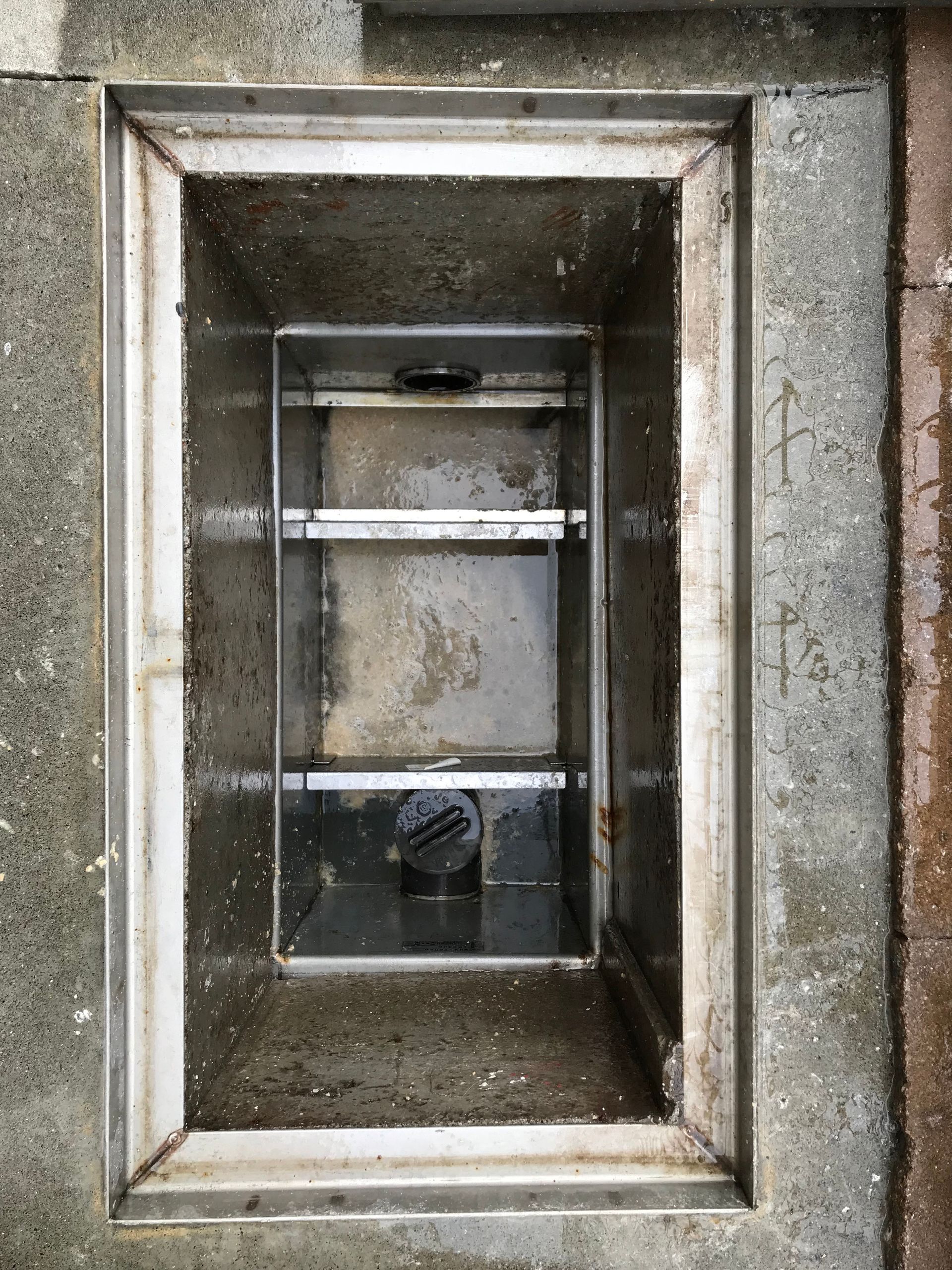
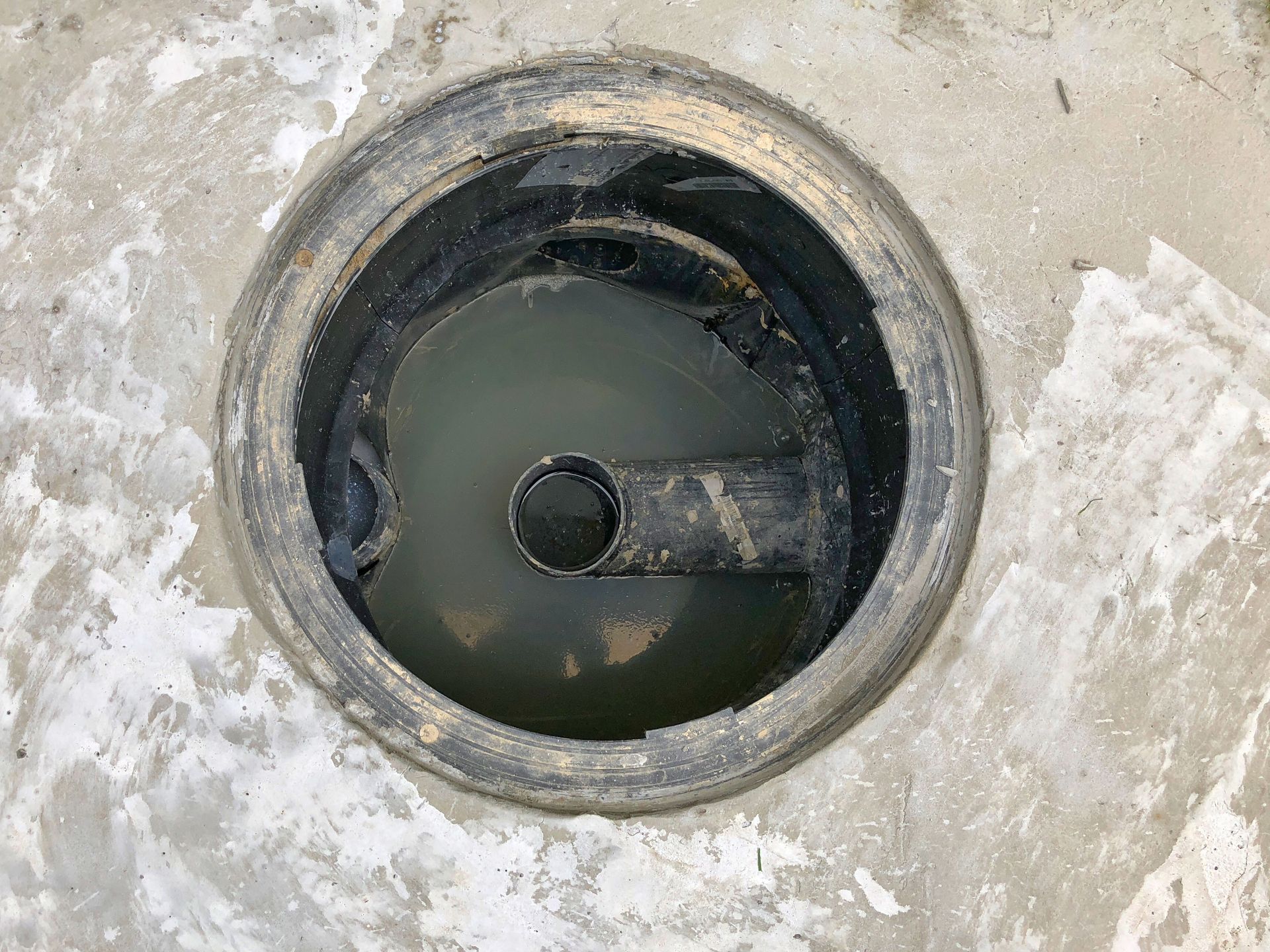
Grease traps work by slowing wastewater so fats, oils, and grease can separate from water before it reaches the sewer system. Over time, grease rises to the top while food solids settle at the bottom. As these layers become thicker, the trap has less room to separate incoming waste effectively. Waiting until the unit overflows or produces a strong odor can allow buildup to affect drains, sinks, floors, and nearby plumbing components.
A professional service provider can recommend a cleaning frequency based on trap size, menu type, meal volume, operating hours, and the amount of grease the kitchen generates. Busy kitchens that fry foods or prepare large quantities of meat may need more frequent service than facilities with lighter cooking demands. Consistent scheduling keeps commercial grease traps from becoming overloaded and reduces the chance that employees will be forced to respond to a preventable emergency during operating hours.
Removing Grease and Solids Thoroughly
Effective maintenance involves more than skimming grease from the top of the unit. A complete service should remove floating fats, settled solids, wastewater, and residue from internal surfaces. Technicians may also clean baffles, inlet and outlet areas, and other accessible components that influence the movement of wastewater. Leaving heavy material behind can reduce capacity and cause the trap to fill again sooner than expected.
Professional pumping equipment allows technicians to remove waste safely and transport it for proper disposal. This helps businesses avoid improper dumping practices that could violate local environmental rules. Thorough cleaning also gives the technician a clearer view of the unit’s condition. Once the contents are removed, cracks, corrosion, loose fittings, deteriorated seals, or damaged flow-control components may be easier to identify before they contribute to a larger failure. Complete removal also creates a more accurate starting point for measuring how quickly the unit fills.
Inspecting Components for Wear and Damage
Grease-control equipment is exposed to hot water, food particles, cleaning chemicals, and continuous wastewater flow. These conditions can gradually weaken internal and external components. Covers may stop sealing correctly, baffles can shift, fittings may loosen, and metal surfaces may corrode. A trap that appears functional from the outside may still have hidden problems that reduce separation efficiency or allow odors and wastewater to escape.
Routine professional inspection helps detect these concerns early. According to The Restaurant Warehouse, a new grease trap generally has a lifespan of five to 10 years, although regular maintenance can help it last even longer. Technicians can evaluate commercial grease traps during scheduled cleaning and explain whether a repair, replacement part, or complete upgrade should be considered. Early action often gives managers more control over budgeting and scheduling than an unexpected equipment failure.
Preventing Backups, Odors, and Kitchen Disruptions
Slow drains, gurgling sinks, unpleasant smells, and wastewater backups can indicate that grease buildup is interfering with normal flow. These problems can disrupt food preparation, create unsanitary conditions, and force staff to close part or all of the kitchen. A backup that reaches floors or food-service areas may require extensive cleaning and could attract attention from health inspectors or customers. Even a temporary closure can lead to lost revenue, wasted ingredients, and damaged customer confidence.
Regular maintenance reduces these risks by keeping the trap’s available capacity and flow path clear. Technicians can also look for warning signs in the surrounding plumbing, including residue near access points, damaged seals, or wastewater moving too slowly through the system. Caring for commercial grease traps before symptoms become severe helps businesses maintain a cleaner environment and avoid emergency service calls during busy meal periods.
Training Staff to Support Proper Maintenance
Professional service is most effective when employees also follow good grease-handling practices. Kitchen staff should scrape plates and cookware into solid-waste containers before rinsing them. Grease, fryer oil, sauces, and food scraps should never be poured directly into sinks or floor drains. Sink strainers can help capture solids, while clearly labeled containers can make it easier to separate used cooking oil for recycling or approved disposal.
Managers should explain why these habits matter and include them in onboarding and routine training. Employees should know how to recognize slow drainage, unusual odors, leaks, or an overflowing access point and report the issue promptly. Staff should also avoid using harsh chemicals or additives that claim to dissolve grease unless a qualified professional confirms they are appropriate. Some products may move grease farther into the plumbing system rather than removing it, creating problems beyond the trap.
Documenting Service for Inspections and Planning
Detailed maintenance records can be valuable during inspections, lease discussions, insurance reviews, and long-term facility planning. A service log should include the date of each visit, the amount of waste removed when available, observed equipment conditions, repairs completed, and the next recommended service date. Keeping invoices and technician notes together allows managers to see whether cleaning frequency is appropriate or whether recurring problems require additional investigation.
These records can also help businesses plan expenses and evaluate system performance over time. If commercial grease traps are filling faster than usual, the change may point to increased food volume, improper employee practices, damaged components, or a trap that is too small for current demand. A professional provider can review service history and recommend practical adjustments. Organized documentation supports compliance while helping managers make informed decisions about repairs, scheduling, and future upgrades.
Professional grease trap care supports regulatory compliance, dependable drainage, cleaner work areas, and more predictable operating costs. By following local requirements, scheduling routine cleaning, removing waste completely, inspecting equipment, training employees, and maintaining accurate records, food-service businesses can reduce the risk of backups, odors, shutdowns, and avoidable penalties. A consistent plan also protects the plumbing system and gives managers time to address aging or damaged equipment before it fails. Investing in professional maintenance for commercial grease traps helps keep kitchens operating efficiently while reducing the risk of costly violations. To arrange dependable cleaning, inspection, and maintenance for your facility, contact Brooks Grease Service.