July 1, 2026
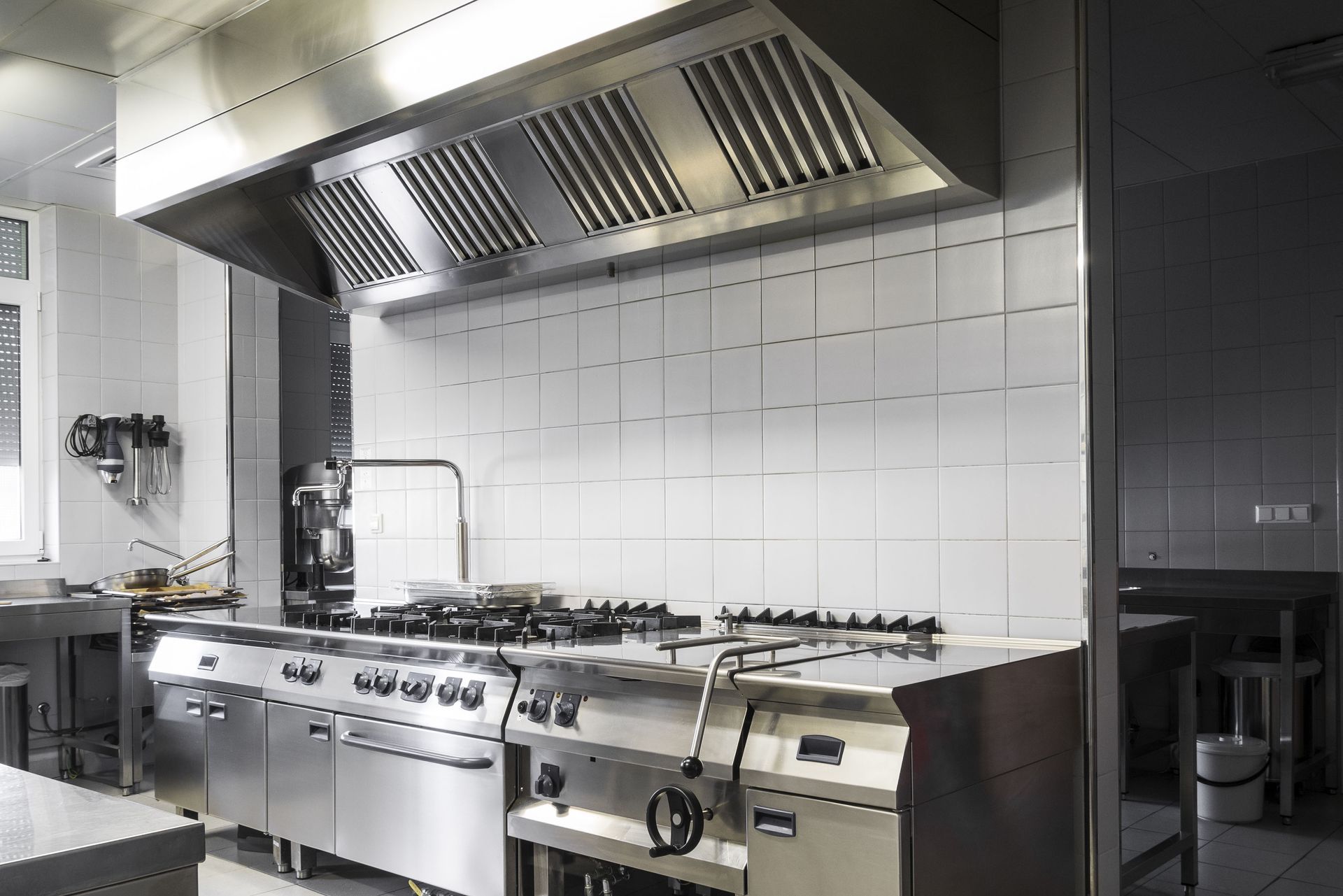
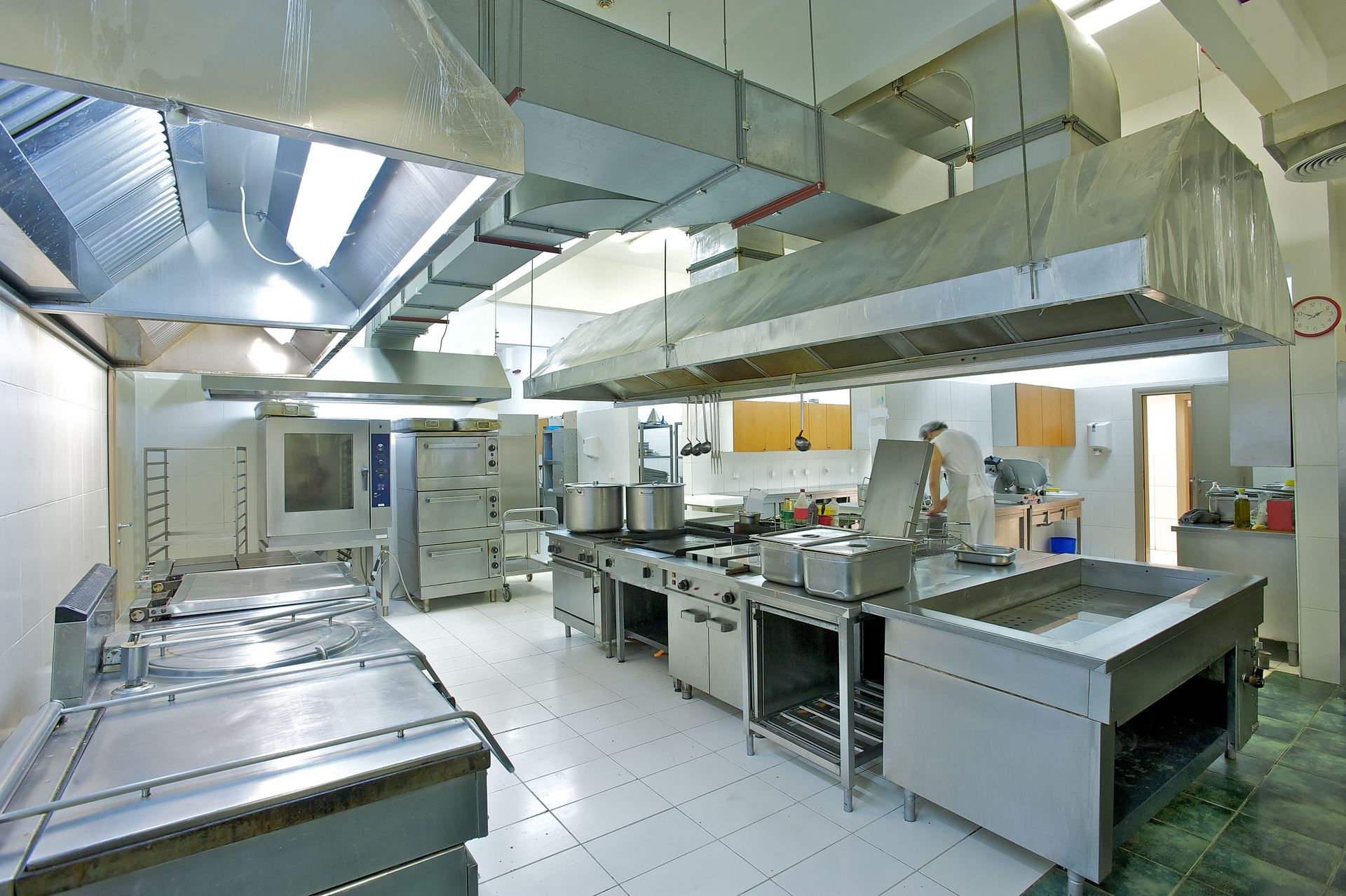
Restaurants, cafeterias, food service facilities, and other commercial kitchens produce fats, oils, and grease every day. These materials can build up over time and create problems within plumbing systems if they are not properly managed. Regular maintenance plays an important role in keeping kitchen operations running smoothly and reducing the risk of unexpected issues.
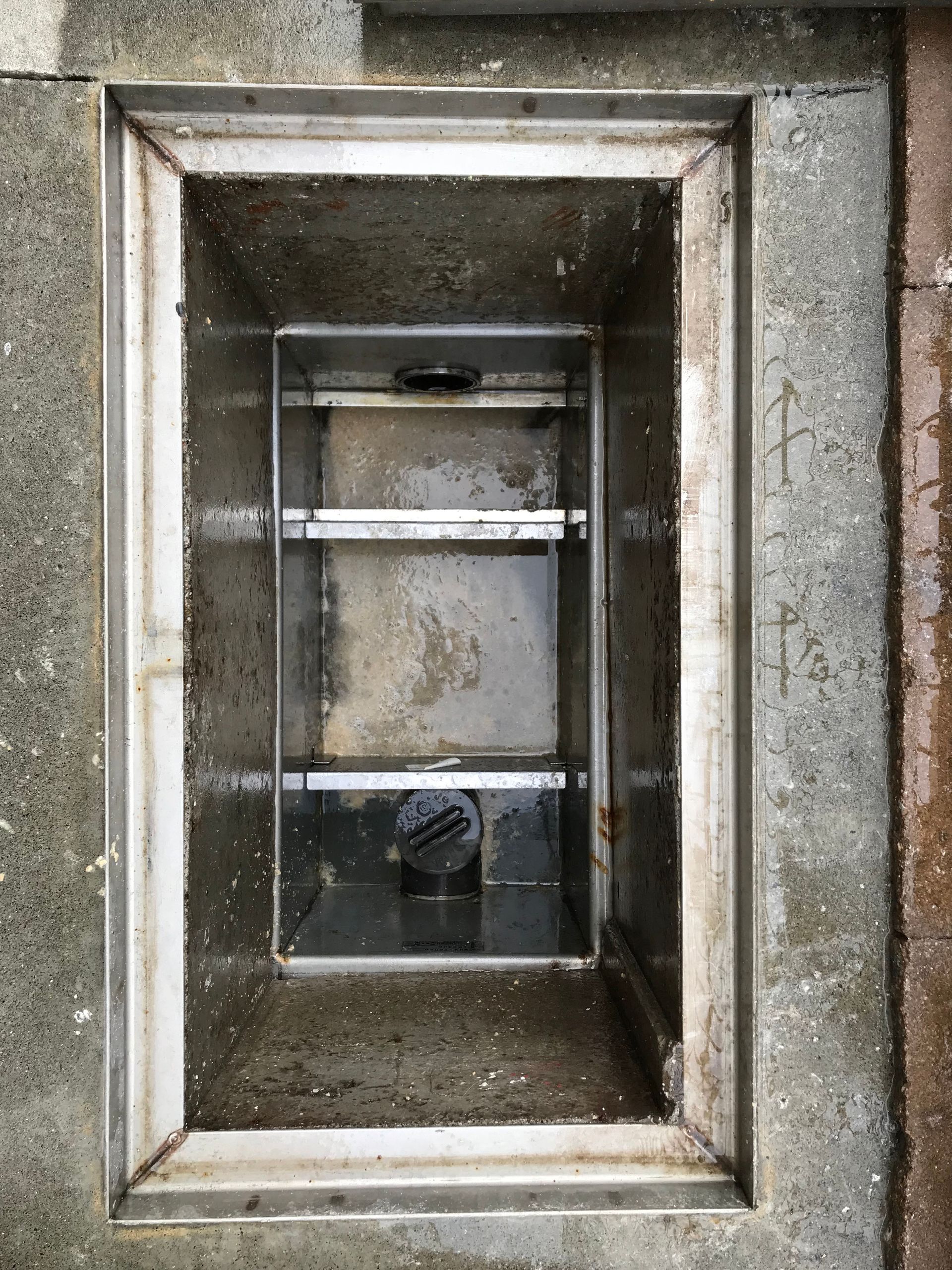
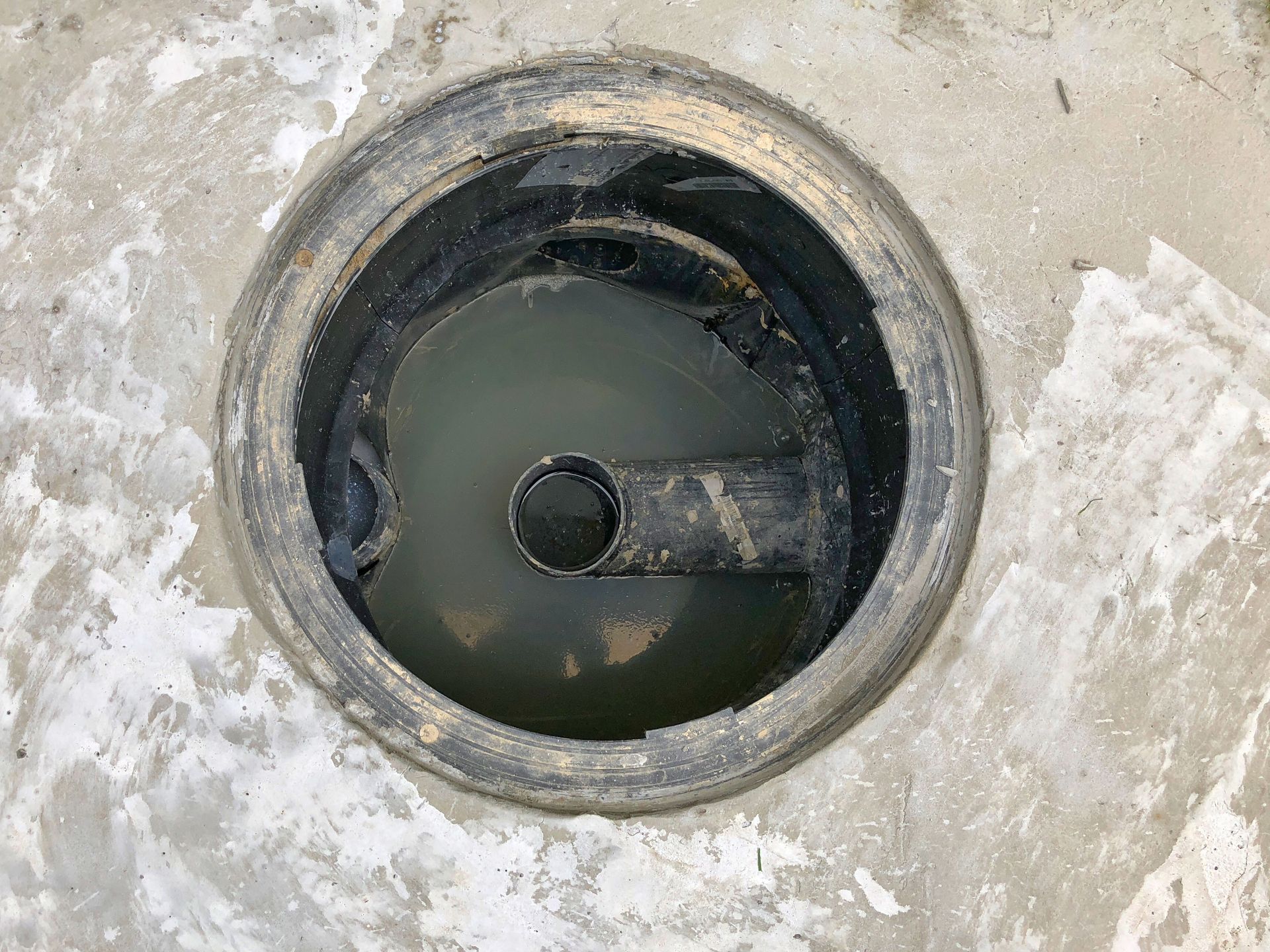
Understanding the benefits of routine grease trap cleaning can help business owners make informed decisions about facility maintenance. This article explains why cleaning matters, how it supports daily operations, and why seeking professional help is important for maintaining a commercial grease trap.
Preventing Plumbing Problems
One of the most important benefits of regular cleaning is reducing the risk of plumbing issues. As fats, oils, and grease accumulate, they can restrict water flow and create blockages within connected systems. Over time, these buildups may lead to slow drains, unpleasant backups, and interruptions to daily operations. When plumbing issues occur in a busy commercial kitchen, they can affect productivity and create unnecessary stress for employees and management.
Routine maintenance helps remove accumulated materials before they create larger concerns. Seeking professional help allows facilities to address buildup in a safe and effective manner. Regular attention to a commercial grease trap can support smoother wastewater flow and help reduce the likelihood of costly plumbing disruptions.
Supporting Daily Operations
Commercial kitchens often operate on tight schedules. Any interruption can affect food preparation, customer service, and overall efficiency. A properly maintained commercial grease trap helps support consistent operations by reducing the risk of drainage problems and unexpected shutdowns. When systems function properly, employees can focus on their responsibilities without dealing with plumbing-related complications.
Routine maintenance is often viewed as part of a broader facility management strategy. By keeping critical systems functioning as intended, businesses may experience fewer disruptions and greater operational consistency throughout the year. Seeking professional help can also help facilities establish maintenance schedules that align with their daily demands and usage levels.
Improving Sanitary Conditions
Cleanliness is a major priority in any commercial food service environment. Grease accumulation can contribute to unpleasant odors and create conditions that may negatively affect the overall environment. When grease traps are regularly maintained, kitchens often experience improved cleanliness and a more pleasant atmosphere. Reducing excessive buildup can help limit odors that may develop as organic materials break down over time.
Employees, customers, and visitors generally benefit from cleaner surroundings. Maintaining a commercial grease trap can contribute to a more sanitary environment while supporting the overall appearance and functionality of the facility. Professional cleaning services can help facilities manage buildup before it becomes a larger concern that affects daily operations.
Reducing Unpleasant Odors
Grease, food particles, and other waste materials can produce strong odors when they remain trapped within a system for extended periods. These odors may spread through kitchen areas and neighboring spaces. Odor problems can become distracting for staff and may create a less pleasant experience for customers. Addressing the source of these odors is often more effective than attempting to mask them.
Regular maintenance helps remove materials that contribute to odor development. A clean commercial grease trap is less likely to produce the strong smells commonly associated with excessive grease buildup. Seeking professional help allows businesses to address odor concerns while supporting overall facility cleanliness.
Protecting Wastewater Systems
Grease trap maintenance extends beyond the kitchen itself. Proper management of fats, oils, and grease can help reduce strain on larger wastewater systems. According to the United States Environmental Protection Agency, food waste accounts for approximately 24% of all material sent to landfills, and fats, oils, and grease from commercial kitchens are a major contributor to wastewater system contamination. This highlights the importance of responsible waste management practices within food service facilities.
When grease enters wastewater systems in large quantities, it can contribute to blockages and operational challenges that affect broader infrastructure. Maintaining a commercial grease trap helps capture and manage these materials before they move further into connected systems. This can support cleaner wastewater management and help facilities meet operational expectations.
Maintaining Regulatory Compliance
Many commercial facilities are required to follow local regulations related to wastewater management and grease disposal. These requirements are designed to help protect public infrastructure and environmental resources. Regular maintenance can help businesses remain aware of their responsibilities and reduce the risk of issues related to neglected systems. Seeking professional help may also provide documentation and records that support compliance efforts when needed.
A properly maintained commercial grease trap can play an important role in helping facilities meet operational standards and maintain smooth day-to-day operations. Business owners often view preventive maintenance as a practical step toward reducing future concerns while supporting regulatory expectations.
Extending Equipment Performance
Grease buildup does not only affect plumbing systems. Over time, excessive accumulation can place additional strain on connected equipment and drainage components. Regular cleaning helps reduce buildup that may contribute to wear on various parts of the system. By maintaining cleaner conditions, facilities may support the long-term performance of infrastructure connected to the grease management process.
Seeking professional help allows trained personnel to evaluate conditions and identify potential concerns before they become larger problems. Maintaining a commercial grease trap is often part of a broader strategy for supporting facility performance and reducing avoidable repairs. Routine maintenance can also help management plan for future needs more effectively.
Improving Workplace Conditions
Employees benefit when commercial kitchens remain clean, organized, and functional. Plumbing backups, unpleasant odors, and drainage issues can create distractions that make daily tasks more difficult. Maintaining a cleaner work environment may contribute to improved comfort and efficiency throughout the facility. Employees are often able to focus more effectively when systems are operating properly, and common maintenance issues are addressed proactively.
A well-maintained commercial grease trap supports smoother operations and can help reduce the disruptions that affect workplace productivity. Seeking professional help allows facilities to address concerns before they interfere with daily activities. Creating a more comfortable environment benefits both employees and customers alike.
Preventing Costly Interruptions
Unexpected plumbing issues can lead to downtime, scheduling disruptions, and unplanned expenses. Businesses often prefer to avoid emergency situations whenever possible. Routine maintenance helps identify and address buildup before it develops into a larger issue. While every facility is different, preventive care is generally more predictable than dealing with major system failures.
A commercial grease trap that receives regular attention is less likely to contribute to sudden operational interruptions. Seeking professional help allows businesses to take a proactive approach to maintenance and reduce the likelihood of costly disruptions. Planning ahead often helps facilities maintain consistency while supporting long-term operational goals.
Regular grease trap cleaning provides many benefits for commercial kitchens and food service facilities. From reducing plumbing issues and odors to supporting sanitation, wastewater management, and workplace efficiency, routine maintenance plays an important role in daily operations. Consistent cleaning can also help facilities avoid unexpected disruptions, maintain a more comfortable work environment, and support smoother kitchen performance throughout the year.
Seeking professional help can help businesses better manage grease accumulation and maintain systems that support long-term performance while reducing the risk of preventable maintenance concerns. If your facility needs professional attention for a commercial grease trap, contact Brooks Grease Service today to learn more about maintaining cleaner and more efficient kitchen operations and supporting the ongoing performance of your facility's wastewater management systems.