May 29, 2026
Running a commercial kitchen involves managing a fast-paced environment where efficiency is key to maintaining daily operations. Restaurant owners and food service managers constantly look for ways to optimize their processes while managing waste effectively. One of the most impactful ways to improve your kitchen operations is by implementing a structured system for handling your used cooking oil. Instead of treating this byproduct as a mere waste management hassle, viewing it as a valuable resource can transform your daily workflow and support a cleaner environment. Managing this material responsibly helps prevent common kitchen bottlenecks, safeguards your plumbing infrastructure, and ensures compliance with strict local health regulations. Understanding the benefits of recycling your cooking oil can help you make informed decisions that positively affect your bottom line and your surrounding community.
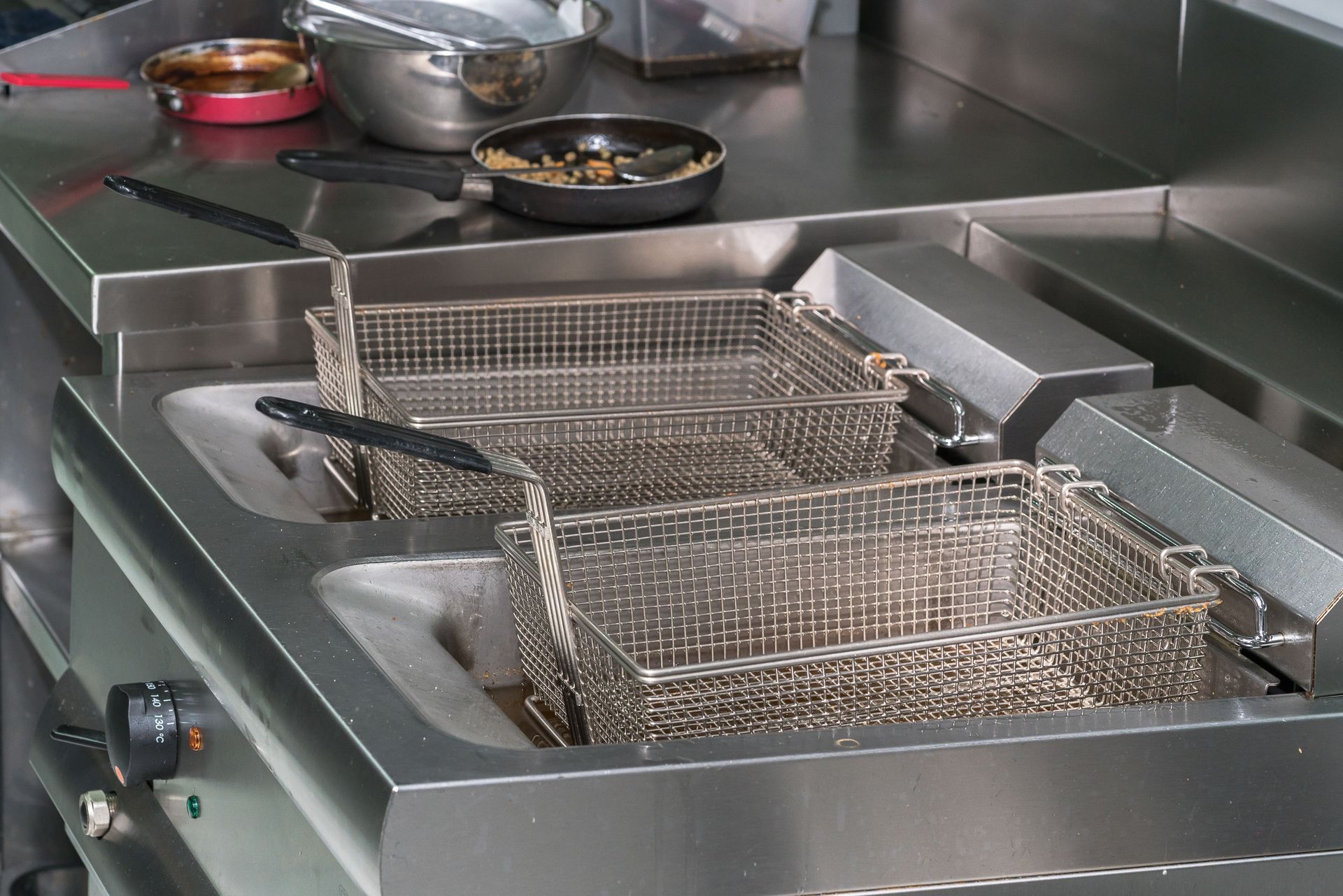
Every commercial food service establishment generates a significant amount of grease through daily frying and food preparation. Finding a reliable method to handle this material protects your business from unexpected disruptions and costly repairs. Many business owners do not realize the extensive journey this material takes after it leaves their fryers, nor do they fully grasp the positive economic ripple effects that come from proper disposal. By partnering with a dedicated service provider, you can streamline your back-of-house operations, allowing your culinary team to focus entirely on food quality and customer satisfaction. Making the switch to a consistent disposal routine is a straightforward operational upgrade that delivers immediate advantages for your team and your facilities.
1. Enhancing Kitchen Safety and Cleanliness
Maintaining a clean and safe environment is the top priority for any commercial kitchen operator. When used cooking oil is stored improperly or allowed to accumulate in haphazard containers, it creates severe slipping hazards for your kitchen staff. Spills can happen in an instant during a busy dinner rush, leading to workplace injuries and potential liability issues for your business. Furthermore, old grease that sits uncovered attracts unwanted pests and creates unpleasant odors that can easily drift from the kitchen into your dining room, ruining the customer experience. By establishing a routine collection system, you ensure that this material is stored in secure, designated containers that minimize the risk of spills and keep your workspace pristine. Fire safety is another critical factor that improves when you manage your kitchen waste properly. Accumulated grease vapors and poorly stored cooking oil represent significant fire hazards in a high-heat environment. When your team has a clear, structured process for transferring old oil into a secure recycling tank, the overall fire risk in your facility drops significantly. This proactive approach creates a more comfortable, secure workplace where your employees can perform their duties efficiently without navigating around dangerous, overflowing waste bins. Keeping your kitchen clean through regular disposal also simplifies your preparation for sudden health department inspections, ensuring your business always passes with flying colors.
2. Protecting Your Facility Plumbing Infrastructure
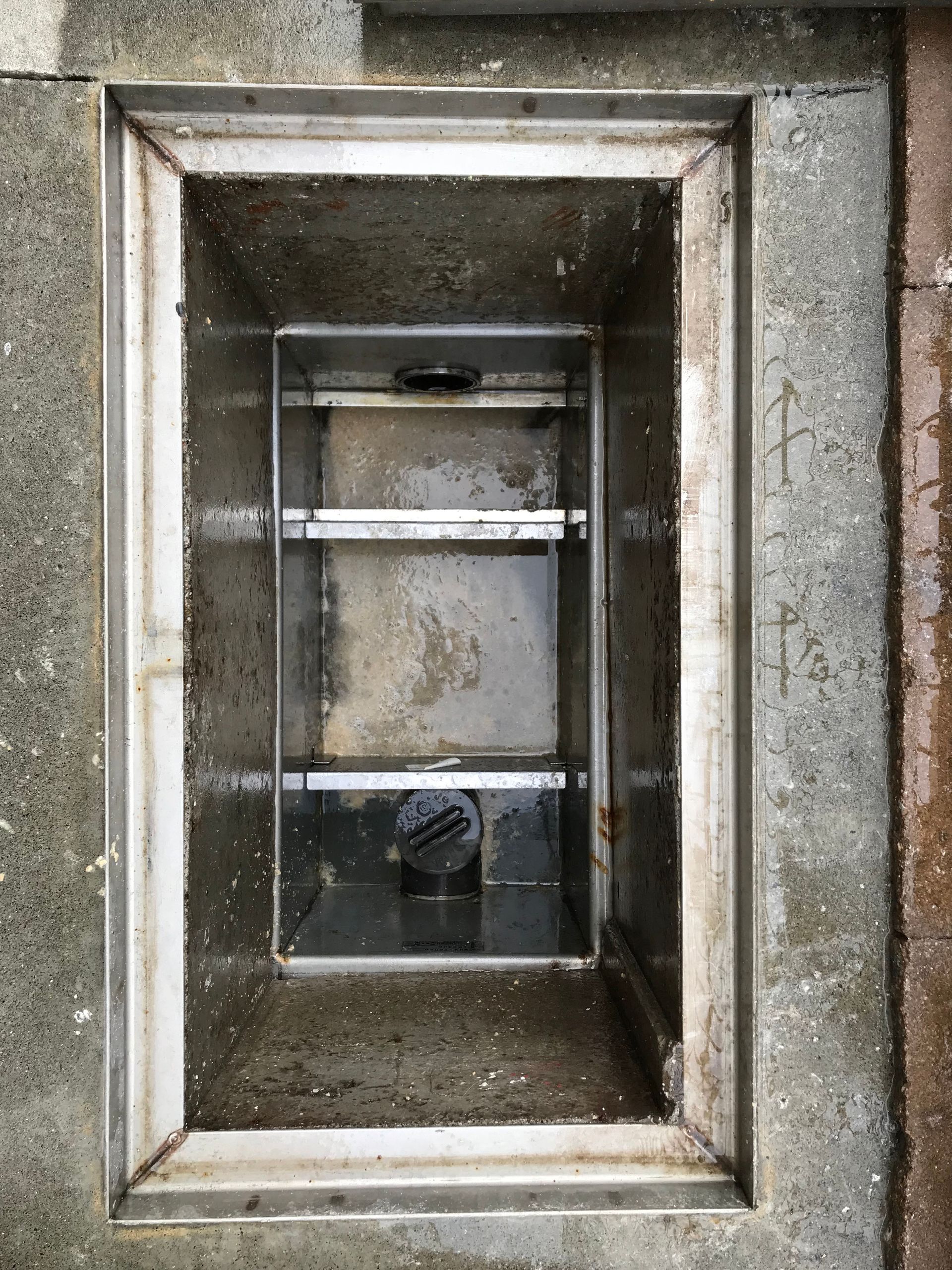
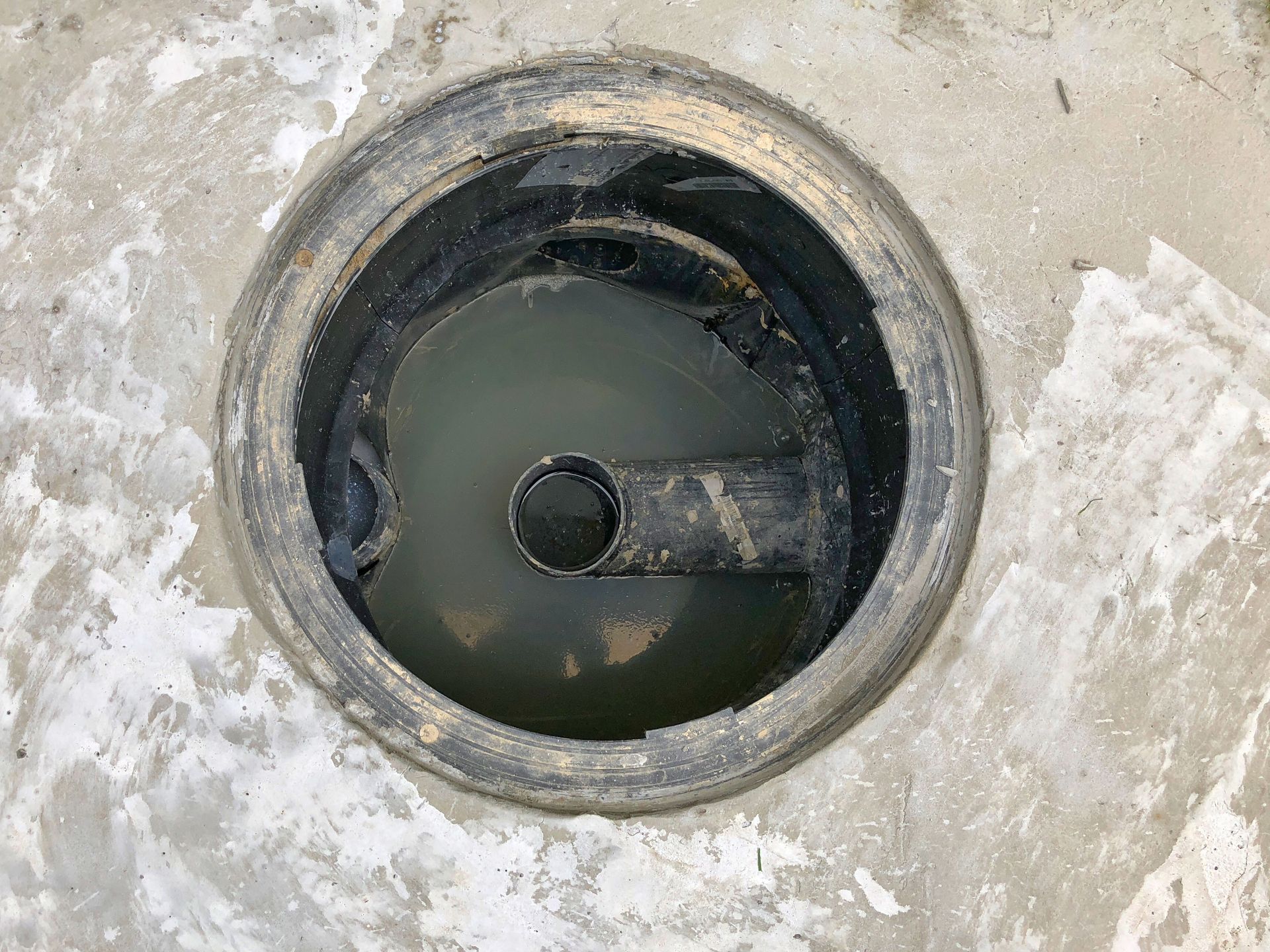
Pouring grease down commercial drains is one of the most expensive mistakes a food service business can make. As cooking oil cools, it solidifies inside the pipes, trapping other food particles and gradually restricting the flow of wastewater. Over time, this accumulation forms massive blockages known as fatbergs that can cause raw sewage to back up directly into your kitchen sinks and floor drains. A plumbing emergency of this magnitude forces you to shut down your business immediately, resulting in lost revenue, ruined inventory, and hefty emergency plumbing fees. Regular recycling ensures that this material never enters your drainage system, protecting your pipes from severe blockages. In addition to avoiding immediate blockages, a consistent disposal routine extends the lifespan of your grease traps. Grease traps are designed to catch small amounts of residual oil, but they cannot handle large volumes of direct waste without failing or requiring constant, expensive cleanings. When you divert the bulk of your used cooking oil into a dedicated recycling program, your grease traps function much more efficiently and require less frequent maintenance. This preventative measure saves your business thousands of dollars in long-term infrastructure repairs and prevents the foul odors associated with overloaded grease interception systems from infiltrating your establishment.
3. Contributing to Environmental Sustainability
Diverting food waste from landfills and sewage systems plays a vital role in local environmental conservation efforts. When cooking oil is disposed of incorrectly, it can seep into local waterways, creating a thick film on the surface of the water that blocks oxygen and sunlight, devastating aquatic life. By choosing to recycle this material, you ensure it is processed safely and transformed into useful industrial products instead of becoming an environmental pollutant. This small operational shift significantly reduces the ecological footprint of your restaurant. The environmental impacts also vary notably by geographic location based on regional infrastructure and local participation. According to Prescient & Strategic Intelligence, the West is the largest regional contributor and the Northeast is the fastest-growing region for cooking oil recycling activity during the study period of 2019 through 2032, highlighting regional differences in the adoption of recycling practices. Even if your business operates outside these specific regions, participating in a dedicated recycling program helps elevate your local area's sustainability metrics. Transforming kitchen waste into an asset prevents environmental degradation and supports a broader national movement toward a circular economy where resources are reused effectively.
4. Supporting the Production of Renewable Biofuels
The material collected from your kitchen fryers does not just disappear; it undergoes a remarkable transformation into a highly efficient energy source. Once processed, used
cooking oil serves as the primary feedstock for producing biodiesel and advanced renewable diesel. These clean-burning biofuels emit significantly fewer greenhouse gases and particulate matter compared to traditional petroleum diesel, making them a crucial tool in global efforts to combat climate change. By recycling your waste, your commercial kitchen becomes an active supplier for the renewable energy sector, helping fuel commercial fleets and public transit systems across the nation. Supporting the biofuel industry also reduces the global demand for virgin agricultural crops, such as soybeans or palm oil, which often require extensive deforestation and heavy pesticide use to cultivate. Using recycled cooking oil as a fuel source maximizes the utility of agricultural resources that have already been harvested and utilized for food production.
5. Streamlining Operational Efficiency
Time is a precious commodity in any restaurant, and managing waste manually can consume hours of valuable labor every week. When you work with a professional service provider to handle your cooking oil, you reduce labor costs, eliminate tedious cleanup tasks, and significantly minimize the risk of worker compensation claims stemming from oil-related accidents. A structured disposal program also allows for better inventory management and predictable kitchen scheduling. You no longer have to worry about when or how your waste tanks will be emptied, as professional collection schedules are tailored to match your specific volume needs.
Investing in a reliable management strategy for your kitchen waste yields substantial long-term rewards for your business, your staff, and the environment. By keeping your infrastructure clear, maximizing kitchen safety, and contributing to the production of clean energy, you establish a highly efficient operation. Brooks Grease Service provides professional solutions tailored to your unique volume requirements, helping you manage your cooking oil efficiently. We offer same-day services to keep your kitchen running smoothly without any operational delays. Serving the Central US and Northern Texas since 1957, our experienced team is ready to handle your collection needs. Call us at 800-234-5678 today to learn more about our customizable service plans and schedule your first collection.